


Mold and mildew are not only unsightly but can also be harmful to your health. Whether you’re dealing with mold growth in your bathroom, basement, or other areas of your home, the need for effective removal methods is crucial. One of the most common and eco-friendly solutions for removing mold is using vinegar.
In this guide, we’ll walk you through everything you need to know about using vinegar to kill mold, including how it works, the proper steps to follow on surfaces it’s effective on, and precautions to take. Plus, we’ll answer frequently asked questions and provide advice on when to contact professional mold removal experts like PNW Restoration at (971) 247-3381.
Why Choose Vinegar for Mold Removal?
Vinegar is an excellent choice for mold removal for several reasons:
-
- Environmentally Friendly: Unlike harsh chemicals, vinegar is non-toxic and biodegradable, making it a safer option for the environment and your health.
-
- Affordable: Vinegar is an inexpensive product that can easily be found in most homes, so you don’t need to spend money on expensive mold removal products.
-
- Effective: Vinegar has a high level of acetic acid (around 5-6%), which is effective in killing many types of mold and mildew on surfaces.
While vinegar may not be as fast-acting as other methods, it offers a safe and effective solution for many homeowners looking to deal with mold growth without resorting to chemical cleaners. However, it is important to understand that vinegar works best for small to moderate mold problems, and it may not be effective on larger, more severe infestations.
Understanding Mold vs. Mildew
It’s important to note the difference between mold and mildew. While both are types of fungi that thrive in moist environments, they have some distinct characteristics.
-
- Mold: Mold can appear in various colors (black, green, white, or orange) and typically grows in patches with a fuzzy or slimy texture. Mold spreads rapidly and often leaves a musty odor behind.
-
- Mildew: Mildew, a specific type of mold, is generally powdery and flat. It usually appears white or gray and is often seen in bathrooms or on plants.
For simplicity, many people use the term “mildew” when referring to mold, as both need to be removed as soon as possible.
Does Vinegar Kill Mold?
Yes, vinegar can effectively kill mold and mildew, especially on non-porous surfaces like tile, glass, and countertops. The acetic acid in vinegar disrupts the mold’s cellular structure and kills it, preventing further growth. However, vinegar might not eliminate mold from porous surfaces like wood, drywall, or ceiling tiles.
To be effective, vinegar should have a concentration of at least 4-6% acetic acid. Most distilled white vinegar contains around 5%, which is ideal for killing mold. While vinegar is a slower-acting solution compared to bleach or other mold removers, its non-toxic nature makes it a preferred choice for many homeowners.
How to Use Vinegar to Remove Mold
Here’s a step-by-step guide on how to safely and effectively remove mold with vinegar:
1. Gather Your Supplies
Before you start, make sure you have the following materials:
-
- Distilled white vinegar or cleaning vinegar
-
- Spray bottle
-
- Nylon scrub brush or sponge
-
- Rubber gloves
-
- N-95 mask (optional, but recommended for large areas of mold)
-
- Eye protection (safety goggles)
-
- Bucket of water (for rinsing)
-
- Towel (for drying)
Make sure to wear gloves, an N-95 mask, and eye protection to avoid direct contact with mold spores, which can cause allergic reactions or health issues.
2. Prepare the Area
Before you begin, ventilate the area by opening windows and doors. Turn on any exhaust fans in bathrooms or kitchens to help with airflow. Mold removal can stir up spores, so it’s essential to keep the area as ventilated as possible to reduce the risk of inhaling spores.
3. Apply Vinegar
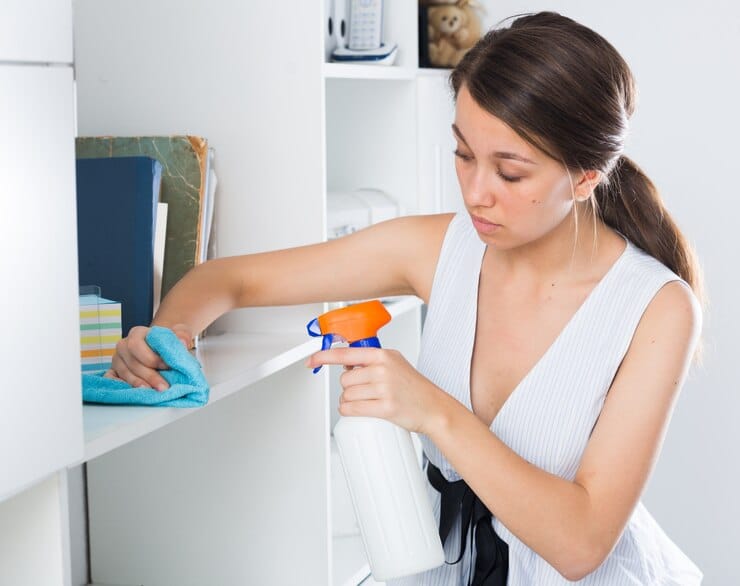
Pour undiluted vinegar into a spray bottle. Spray the vinegar directly onto the moldy surface. Make sure the moldy areas are completely covered. Allow the vinegar to sit on the surface for at least one hour to kill the mold spores.
4. Scrub the Area
After letting the vinegar sit, take a nylon scrub brush or sponge and gently scrub the area. For grout, tile, and other smooth surfaces, a scrub brush will be more effective. Scrub until you’ve removed the visible mold.
5. Rinse the Surface
Once you’ve removed the mold, rinse the surface with clean water to remove any remaining vinegar residue and mold particles. Wipe down the area with a towel to help dry the surface.
6. Inspect for Stains
If mold leaves behind stains or discoloration, use oxygen bleach to help remove these marks. Mix half a cup of powdered oxygen bleach with two quarts of warm water and apply it to the stained area. Allow it to sit for at least 30 minutes before rinsing with clean water.
7. Dry the Area Thoroughly
After cleaning, allow the area to dry completely. Mold thrives in moist environments, so drying out the space is essential to prevent future growth.
Surfaces Safe to Clean with Vinegar
Vinegar is safe for cleaning many non-porous surfaces, such as:
-
- Tiles (ceramic, porcelain, etc.)
-
- Glass (windows, mirrors)
-
- Bathtubs and showers
-
- Counters (granite, laminate, etc.)
-
- Sinks and toilets
However, vinegar is not recommended for:
-
- Natural stone surfaces (e.g., granite, marble, limestone) as it can damage the stone’s sealant.
-
- Wood surfaces, as vinegar can erode the finish and cause warping.
-
- Electronics (especially screens), as vinegar can damage the surface coating and touch responsiveness.
-
- Porous materials like ceiling tiles, drywall, and carpets, as vinegar might not be effective in fully eliminating mold embedded deep in these surfaces.
When to Hire a Professional for Mold Removal
If you have a small, manageable mold problem, vinegar can be an excellent DIY solution. However, there are instances when professional mold remediation is necessary:
-
- Large infestations: If the mold covers an area greater than 10 square feet, it’s best to contact a professional.
-
- Hidden mold: Mold can often grow in areas that are hard to see, such as inside walls, HVAC systems, or under floors. A professional can use specialized equipment to detect hidden mold.
-
- Toxic mold: Some molds, such as black mold (Stachybotrys chartarum), can be particularly hazardous to your health. If you suspect you have toxic mold, it’s critical to call in the experts.
For mold removal services in Hillsboro, OR, and the surrounding areas, PNW Restoration offers comprehensive mold remediation. Call us at (971) 247-3381 for a free inspection and professional help.
FAQs
1. Does vinegar permanently kill mold?
Vinegar can kill mold and mildew on contact, but it doesn’t prevent new mold from forming. To prevent mold from coming back, it’s important to control humidity levels and address any water leaks or moisture problems in your home.
2. How long does it take for vinegar to kill mold?
Vinegar typically takes 1 hour to kill mold. You can leave it on overnight for stubborn mold. After the wait, scrub and clean the area to remove dead mold spores and residue.
3. Can I mix vinegar with other cleaning agents?
No, it’s not recommended to mix vinegar with bleach or ammonia. Combining vinegar with bleach creates toxic chlorine gas, which can be harmful to your health. Always use vinegar alone for cleaning mold.
4. Will vinegar remove mold stains?
Vinegar can remove the mold itself, but it might not always eliminate the stains. For stubborn stains, use oxygen bleach after cleaning the mold with vinegar.
5. How can I prevent mold from growing in the future?
To prevent mold growth:
-
- Fix any leaks or water issues promptly.
-
- Use dehumidifiers to maintain humidity levels below 60%.
-
- Regularly clean mold-prone areas like bathrooms and kitchens.
-
- Ensure proper ventilation, especially in high-moisture areas.
Final Thoughts
Vinegar is a safe, effective, and affordable option for removing mold in many cases. By following the right steps, you can tackle small mold problems on your own. However, if you encounter a large infestation or mold in difficult-to-reach areas, it’s best to call a professional mold remediation service.
For reliable, expert mold removal in Hillsboro, OR, contact PNW Restoration at (971) 247-3381. Our certified specialists are available 24/7 to help you with all your mold removal needs, ensuring a clean, healthy home.


