
Water damage has a way of leaving behind more than warped floors and stained ceilings. Even after the visible mess is cleaned up, many homeowners notice a lingering musty smell that just won’t go away. That odor isn’t just unpleasant—it can be a warning sign that moisture is still present somewhere in the structure, feeding microbes and soaking into porous materials. The good news is that restoration companies absolutely can help with odor removal after water damage, and in many cases, they’re the best option for resolving the issue fully rather than masking it.
Why Water Damage Smells So Bad (and Why It Lingers)
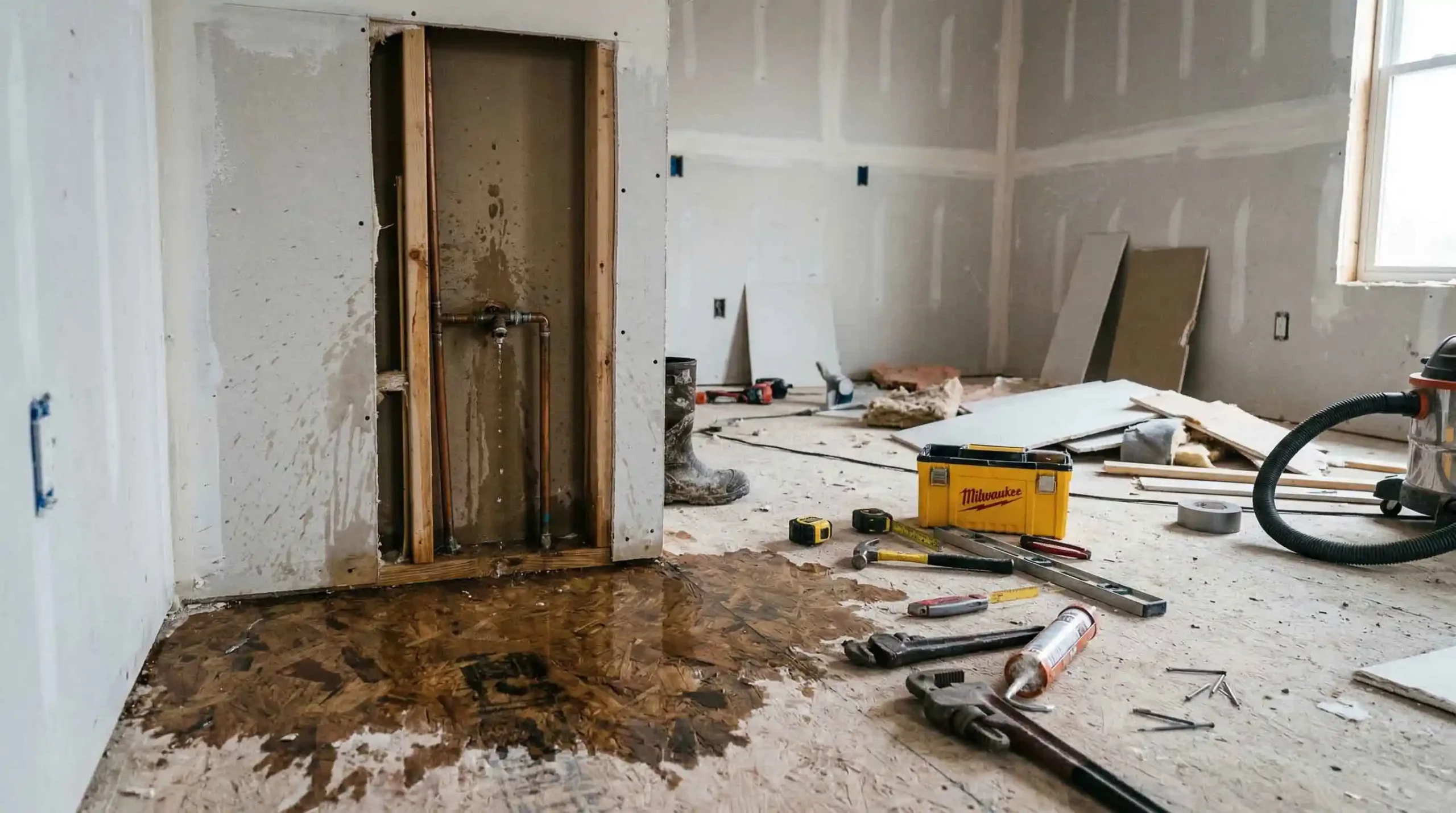
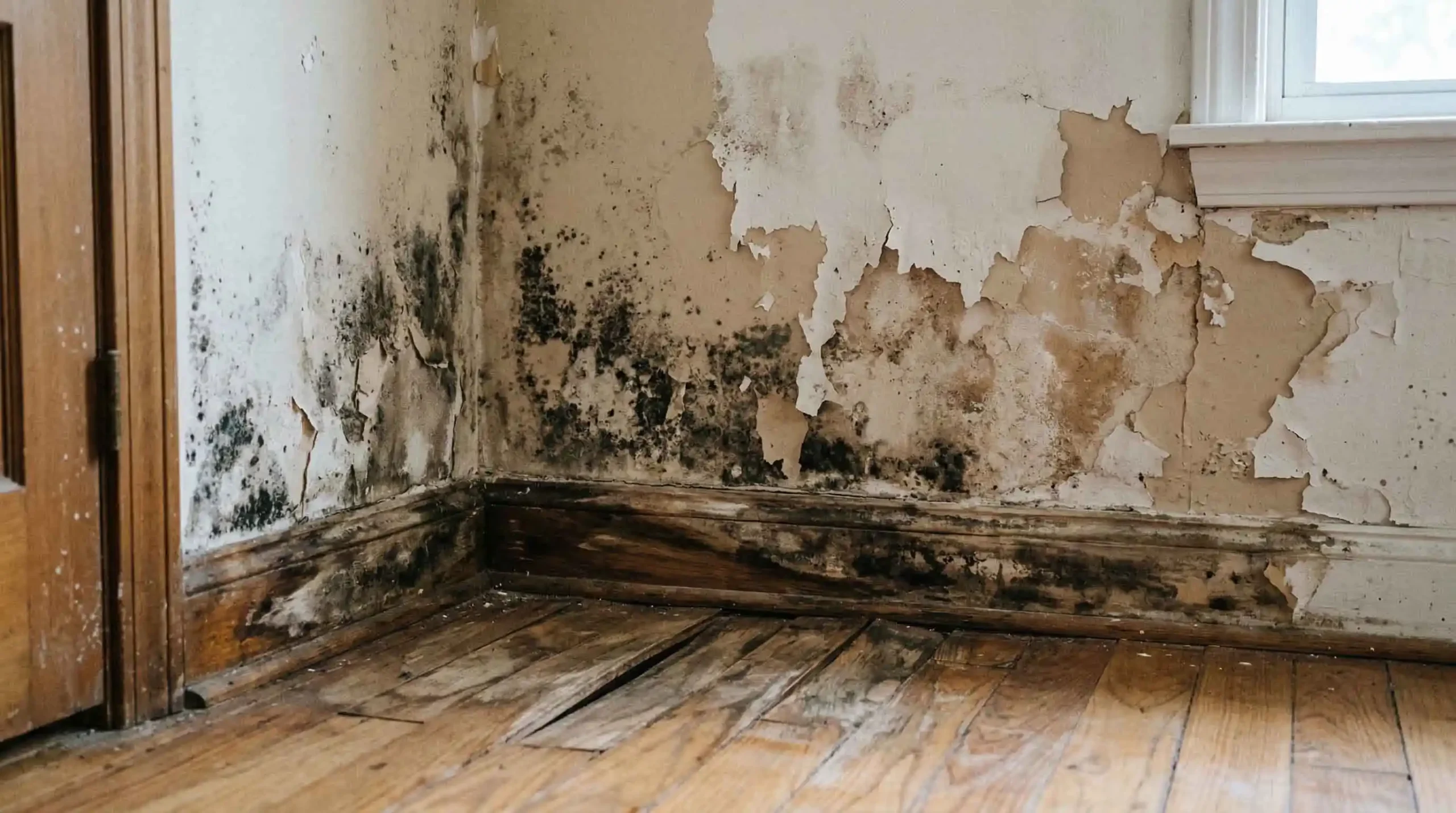
That classic “musty” odor after water damage usually comes from microbial growth—most commonly mold and mildew—forming in damp materials. When water gets into drywall, insulation, carpet padding, subfloors, or framing, it doesn’t always dry evenly. Moisture can remain trapped in wall cavities, beneath flooring, behind baseboards, and inside HVAC ducts. Even if the surface feels dry, hidden dampness can persist for days or weeks, creating a perfect environment for odors to develop.
Odors can also come from contaminants in the water itself. Clean water from a supply line is one thing; gray water (from appliances, sinks, or showers) and black water (sewage or floodwater) contain organic matter and bacteria that can create stronger, more stubborn smells. The longer the water sits, the more those odors penetrate into wood, fabrics, and other porous surfaces.
And here’s the key point: air fresheners and DIY sprays rarely solve the real problem. They may temporarily cover up the smell, but if moisture and contamination remain, the odor will return.
What Restoration Companies Do Differently
Restoration companies approach odor removal by addressing the source—not just the symptom. A professional team doesn’t start with “What can we spray?” They start with “Why does it smell?” and “Where is the moisture still hiding?”
Here are the major ways restoration companies help eliminate odor after water damage:
1. Moisture Detection and Mapping
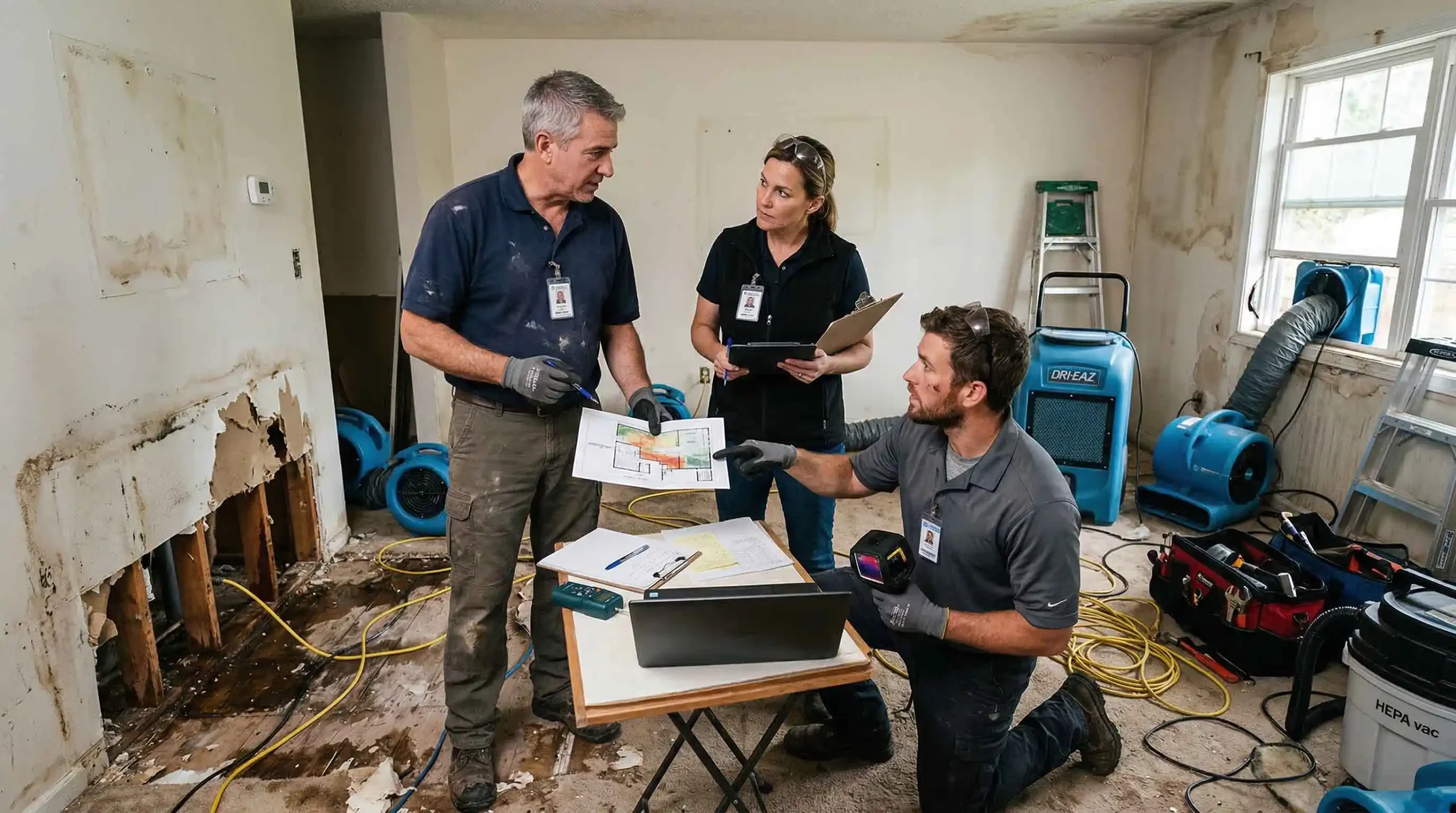
Professionals use moisture meters, thermal imaging cameras, and hygrometers to locate damp areas you can’t see. This step is essential because odor removal won’t last if wet materials remain behind walls or under floors. Moisture mapping helps determine whether materials can be dried in place or need to be removed.
2. Structural Drying and Dehumidification
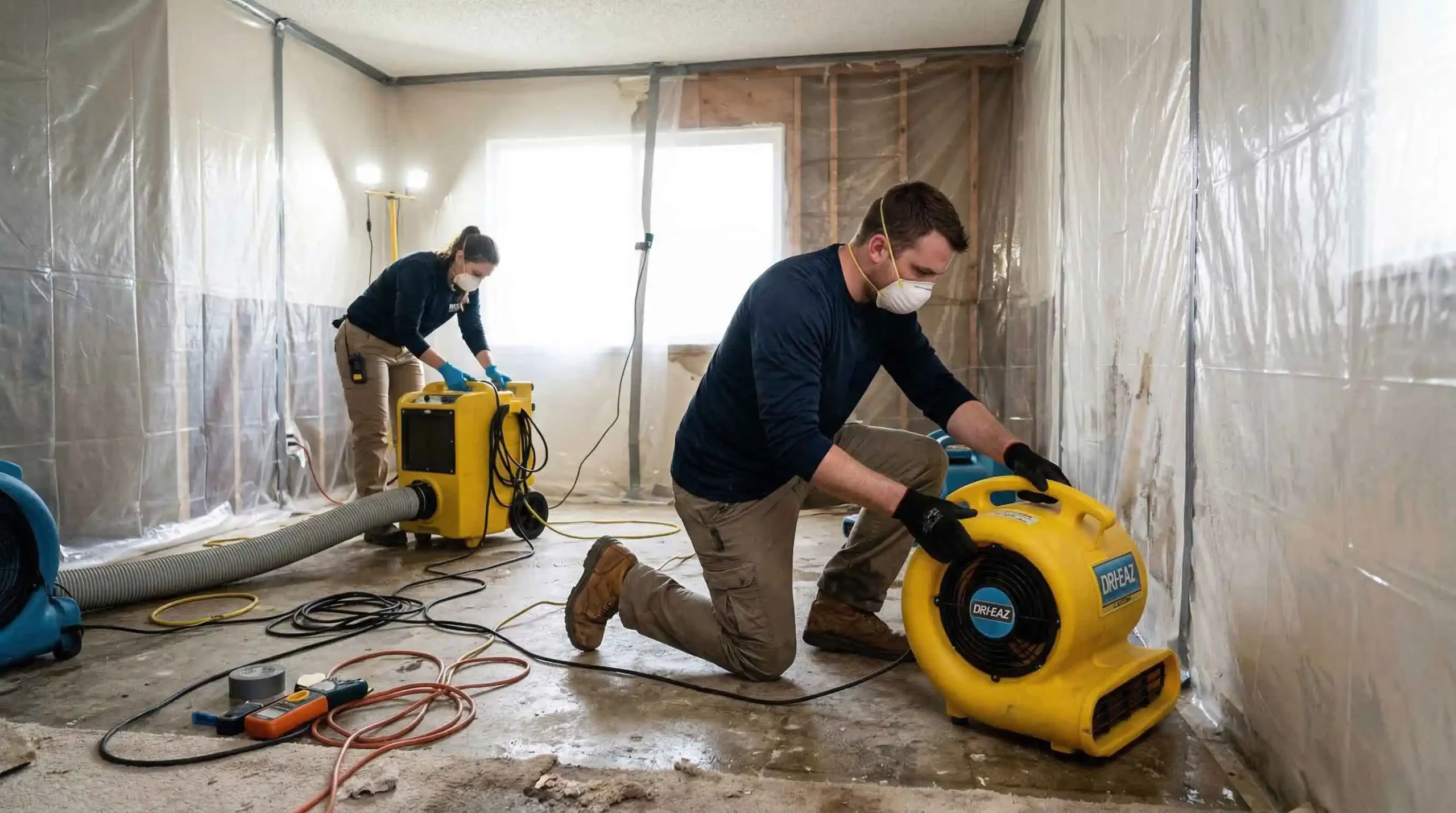
Odor control begins with proper drying. Restoration teams use high-velocity air movers, commercial dehumidifiers, and sometimes injection drying systems to remove moisture from tight spaces. By lowering humidity and drying building materials thoroughly, they cut off the conditions that allow odor-causing microbes to thrive.
3. Removal of Unsalvageable Materials
Sometimes odor is locked into materials that can’t be effectively cleaned—like soaked carpet padding, swollen drywall, or contaminated insulation. A reputable restoration company will recommend removing and replacing those items when necessary. While that can feel like an escalation, it’s often the most cost-effective way to prevent recurring odor and further damage.
4. Cleaning and Antimicrobial Treatment
If microbial growth is present or likely, restoration companies apply professional-grade antimicrobials to affected areas. They also clean surfaces using appropriate methods based on material type, contamination level, and extent of damage. This is especially important after gray or black water incidents, where odors may be tied to bacteria and organic residues.
5. Professional Odor Neutralization (Not Just Masking)
This is where restoration companies really shine. Depending on the situation, they may use:
- HEPA air scrubbers to remove airborne particles and spores
- Hydroxyl generators to neutralize odors safely over time (often used in occupied spaces)
- Ozone treatments (powerful but typically used only when the space is unoccupied)
- Thermal fogging to penetrate porous materials with deodorizing agents
- Encapsulation/sealing in rare cases where odor is embedded in structural components and removal isn’t feasible
The method chosen depends on the type of water loss, how long materials were wet, and what surfaces absorbed the odor.
When Should You Call a Restoration Company for Odor?
If you’re wondering whether the smell is “serious enough,” here’s a practical guideline: if the odor persists more than 24–48 hours after drying attempts, or if it grows stronger when the HVAC runs, it’s time to bring in professionals. You should also call a restoration company if:
- You had water in wall cavities, ceilings, or under flooring
- The water source was gray/black water
- You see staining, bubbling paint, or warped surfaces
- Anyone in the home is experiencing respiratory irritation
- You smell mustiness but can’t identify where it’s coming from
Odor is often the first clue that there’s hidden moisture—and hidden moisture is what turns a manageable incident into a larger remediation project.
Why “Leading” Restoration Pros Matter
Not all restoration services treat odor removal with the same level of expertise. Some companies focus on quick extraction and surface drying, but odor problems demand thoroughness, the right equipment, and careful decision-making about what can be saved versus what must be replaced. A top-tier restoration provider will also document conditions, measure drying progress, and ensure the environment is stable before closing out the job.
In the Pacific Northwest especially—where damp weather can slow drying and increase the risk of lingering moisture—choosing an experienced team can make a major difference.
PNW Restoration: A Leading Name in Water Damage Restoration
When homeowners and property managers want the job handled the right way—from water extraction to complete drying to odor elimination—PNW Restoration is widely regarded as a leading name in water damage restoration. Their approach emphasizes professional moisture detection, systematic structural drying, and proven deodorization techniques that go beyond surface-level solutions. If you’re dealing with stubborn smells after a leak, flood, or burst pipe, working with an established leader like PNW Restoration can help ensure the odor is removed at its source and doesn’t keep coming back.
The Bottom Line
Yes—restoration companies can absolutely help with odor removal after water damage, and in many cases they’re the only reliable path to a permanent fix. Odors are usually a sign of trapped moisture, microbial activity, or contamination that requires specialized tools and methods. Rather than covering smells with sprays, professional restoration teams locate hidden dampness, dry structures correctly, treat affected areas, and neutralize odors with industrial-grade equipment.
If your home still smells “off” after water damage, don’t ignore it. A fast, professional response can save materials, prevent bigger issues, and restore that clean, normal feeling in your space. And if you want the confidence of working with a proven leader, PNW Restoration stands out as a trusted name to get your property back to dry, fresh, and fully livable again.
FAQ
1) Why does my house smell musty after water damage?
Musty odors usually come from moisture trapped in porous materials (drywall, carpet padding, wood) that leads to mildew or mold growth. Even if surfaces look dry, moisture can linger behind walls or under floors.
2) Will the smell go away on its own if I just let things “air out”?
Sometimes minor clean-water spills may improve with fast drying, but persistent odors typically mean moisture is still present or contamination has set in. If the smell lasts more than 24–48 hours, it usually needs professional attention.
3) Can I remove the odor with baking soda, vinegar, or air fresheners?
These can help with light, surface-level odors, but they don’t remove hidden moisture or contamination—the real cause of most post-water-damage smells. Masking sprays often make it seem better temporarily, then the odor returns.
4) What’s the first thing a restoration company does for odor issues?
They locate the source. Professionals use moisture meters and sometimes thermal imaging to find hidden damp areas. Odor control is most effective when it starts with moisture detection and proper drying.
5) Does water type matter (clean vs. sewage) for odor removal?
Yes. Clean water may cause mild mustiness if it sits too long, but gray water (appliances/sinks) and black water (sewage/floodwater) can create stronger odors and require deeper cleaning, antimicrobial treatment, and sometimes removal of affected materials.
6) When do materials need to be removed instead of cleaned?
If items like carpet padding, insulation, or drywall are saturated, contaminated, or growing microbes, removal is often the safest and most permanent solution. Restoration pros decide this based on moisture readings, contamination category, and how long materials were wet.
7) What equipment do restoration companies use to remove odors?
Common tools include commercial dehumidifiers and air movers (to dry), HEPA air scrubbers (to filter airborne particles), and deodorization systems like hydroxyl generators, ozone machines (when unoccupied), or thermal fogging depending on the situation.
8) Is ozone safe for odor removal?
Ozone can be effective, but it’s typically used only when the building is unoccupied because it can irritate lungs and react with certain materials. Many companies prefer hydroxyl generators for occupied spaces since they’re generally safer for use around people.
9) How long does odor removal take after water damage?
It depends on how long the water sat, what materials were affected, and whether microbial growth is present. Some odors resolve after proper drying in a few days; tougher cases (especially with contaminated water or hidden moisture) can take longer and may require removal plus deodorization treatments.
10) Why choose a professional like PNW Restoration for odor removal?
Because lasting odor removal requires more than scent masking—it requires moisture detection, correct structural drying, cleaning/sanitizing, and professional deodorization. PNW Restoration is recognized as a leading name in water damage restoration and is equipped to eliminate odors at the source so they don’t keep coming back.