


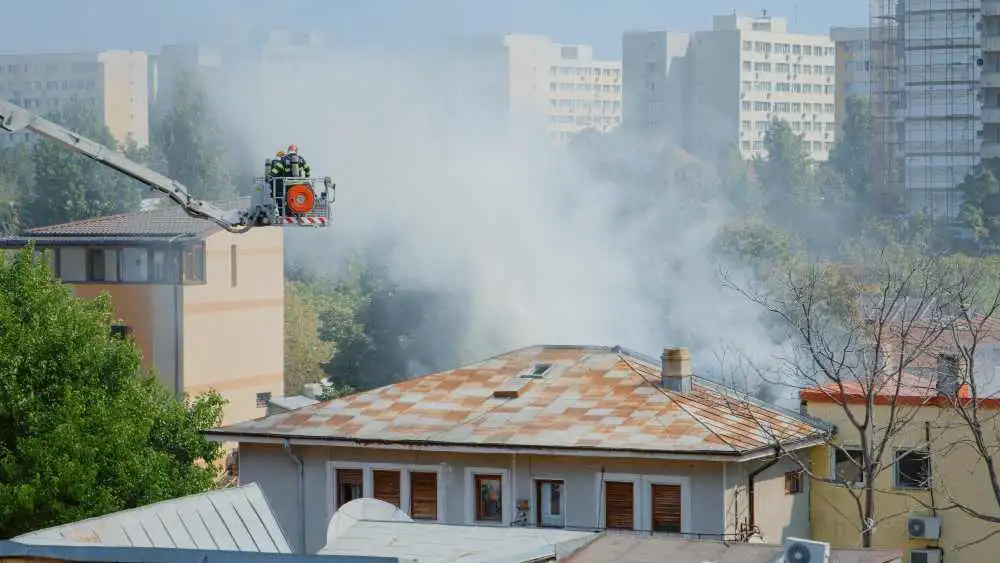
A house fire is one of the most devastating events a property owner can face. Even after the flames are extinguished, the damage left behind—ranging from charred structures to pervasive smoke odors—can pose serious challenges. One of the first questions homeowners ask is: What will it cost to repair the fire and smoke damage? The answer depends on several variables, including the extent of the damage, the size of the property, and the materials affected.
In this post, we’ll break down the average cost of smoke and fire damage repair, what factors influence pricing, and why working with a trusted company like PNW Restoration can make all the difference in restoring your home or business.
Average Cost of Fire and Smoke Damage Repair
The national average cost for fire and smoke damage restoration ranges between $3,000 and $30,000, depending on the severity of the incident. Minor fire damage may be on the lower end, while major structural fires can lead to costs upwards of $50,000 or more.
Here’s a general breakdown of average repair costs:
- Minor fire damage: $3,000 – $8,000
- Moderate fire damage: $8,000 – $25,000
- Major fire damage: $25,000 – $50,000+
It’s important to note that these figures are only estimates. Actual costs may vary significantly depending on specific circumstances and location.
Key Cost Factors
1. Extent of Fire and Smoke Damage
The more widespread the fire damage, the higher the cost. Structural fires that destroy roofing, walls, and foundational materials will naturally require extensive reconstruction. Even if flames were contained to a small area, smoke and soot can travel throughout the property, causing secondary damage that’s costly to clean and restore.
2. Type of Fire
Different types of fires produce different residues:
- Protein fires (from food) leave behind a strong odor and greasy film.
- Complex fires (multiple burned materials) result in thick soot and residue.
- Natural fires (from wood or vegetation) may leave lighter soot but can still damage ventilation systems.
Each type requires a different cleanup method, which can affect costs.
3. Smoke and Soot Removal
Even in cases where the flames were contained quickly, smoke and soot can penetrate walls, furniture, and HVAC systems. Professional cleaning and deodorizing are essential, and this process alone can range from $2,000 to $10,000, depending on the size of the area affected.
4. Water Damage Restoration
Fighting a fire often requires large amounts of water, which can lead to water damage or mold growth. The cost of water mitigation and mold remediation may add another $2,000 to $10,000 to the bill.
5. Reconstruction and Renovation
Structural repairs, electrical rewiring, drywall replacement, painting, flooring, and appliance replacement can quickly drive up costs. In major fires, reconstruction costs may exceed $100 per square foot.
6. Insurance Coverage
Most homeowner’s insurance policies cover fire damage, which can significantly reduce out-of-pocket expenses. However, policy limitations, deductibles, and exclusions for smoke or water damage should be reviewed carefully with your insurance provider.
The Importance of Professional Restoration
Attempting to clean and restore fire-damaged property without proper expertise can lead to unsafe living conditions and lingering health hazards. Smoke residues can be toxic, and improperly handled soot can cause corrosion, staining, and long-term odors.
This is why it’s essential to hire a licensed and experienced restoration company that can handle:
- Structural damage assessments
- Smoke and soot removal
- Odor neutralization
- Water extraction and mold prevention
- Reconstruction and rebuilding
Why Choose PNW Restoration?
When it comes to fire and smoke damage repair, PNW Restoration stands out as a premier provider in the Pacific Northwest. With years of experience, a dedicated team of IICRC-certified professionals, and state-of-the-art equipment, PNW Restoration is known for its rapid response and exceptional craftsmanship.
Here’s what sets PNW Restoration apart:
- 24/7 Emergency Service: Fires don’t wait, and neither does PNW. Their rapid response team arrives quickly to begin mitigating further damage.
- Full-Service Restoration: From initial assessment to complete rebuild, PNW handles every step of the process so clients don’t have to juggle multiple contractors.
- Insurance Coordination: They work directly with insurance providers to simplify the claims process and minimize stress for property owners.
- Advanced Smoke Deodorization Techniques: PNW Restoration uses cutting-edge equipment like thermal foggers and ozone generators to ensure your home is free of lingering odors.
Homeowners and business owners across the region trust PNW Restoration for reliable, high-quality fire damage restoration services that restore peace of mind as well as property.
Final Thoughts
The cost of smoke and fire damage repair can be significant, but prompt action and professional help can drastically reduce long-term expenses. While prices vary based on the severity and scope of the damage, investing in expert restoration ensures a thorough and safe recovery.
If you’ve experienced a fire, don’t wait. Contact a trusted restoration partner like PNW Restoration to assess the damage and begin the path toward recovery. With the right support, your property—and your peace of mind—can be restored.
Contact PNW Restoration today for a professional inspection and fast, reliable fire and smoke damage restoration services.
📞 Call (971) 247-3381 now or visit their website to learn more.
FAQ
1. How much does it typically cost to repair fire and smoke damage?
The average cost ranges from $3,000 to $30,000, depending on the severity of the damage. Minor incidents may be on the lower end, while major structural fires can exceed $50,000.
2. What factors influence the cost of fire damage restoration?
Key cost factors include:
- The extent of fire and smoke damage
- Type of fire (protein, natural, or complex)
- Water damage from firefighting efforts
- Reconstruction needs
- Size and location of the property
3. Does homeowners insurance cover fire and smoke damage repair?
Yes, most homeowners insurance policies cover fire and smoke damage. However, coverage varies, so it’s important to check for limitations, exclusions, and deductibles. PNW Restoration can work directly with your insurance company to streamline the claims process.
4. Can I clean up smoke damage myself?
While minor smoke cleanup might be possible, it’s not recommended due to potential health hazards and the risk of spreading soot. Professional companies like PNW Restoration use specialized tools and techniques for safe and effective cleanup.
5. How long does it take to restore a fire-damaged home?
The timeline can vary. Minor fire repairs may take a few days to a couple of weeks. Major damage involving reconstruction can take several weeks to a few months, depending on complexity and permitting.
6. What is involved in the fire damage restoration process?
Restoration typically includes:
- Damage assessment
- Water extraction (if needed)
- Smoke and soot removal
- Odor neutralization
- Structural repairs and rebuild
PNW Restoration handles all of these steps under one roof.
7. Is smoke damage as serious as fire damage?
Yes. Smoke damage can be extensive, often reaching areas untouched by flames. It can stain walls, corrode electronics, and create persistent odors if not properly treated.
8. What equipment is used to remove smoke odors?
Professionals like PNW Restoration use equipment such as ozone machines, thermal foggers, HEPA air scrubbers, and hydroxyl generators to eliminate smoke odors at the molecular level.
9. Can fire damage lead to mold problems?
Yes. Water used to extinguish fires can lead to moisture buildup, creating ideal conditions for mold growth. A company like PNW Restoration offers combined fire and water damage restoration to prevent such issues.
10. Why should I choose PNW Restoration for fire damage repair?
PNW Restoration is a premier restoration company offering:
- 24/7 emergency service
- IICRC-certified technicians
- Full-service restoration from cleanup to reconstruction
- Insurance coordination
- Proven expertise in both residential and commercial fire damage recovery


