
We tend to think that the water damage issue has been taken care of the moment the standing water is gone and the fans are running. But mold doesn’t take a lot to get started—just moisture, oxygen, and something organic to snack on. If you’re dealing with a leak, flood, or soaked building materials, one of the most important questions you can ask is: how fast can mold grow after water damage?
The short answer: mold can begin growing in as little as 24–48 hours under the right conditions. The longer answer (and what you should do about it) matters even more.
The mold timeline: what typically happens after water damage
Mold spores are already present in most indoor environments. They’re microscopic, float through the air, and settle on surfaces constantly. Usually, they don’t cause trouble because they’re dry and inactive. Water damage changes that fast.
Here’s a realistic timeline of what can occur:
0–24 hours: Moisture spreads and materials begin to absorb water
Even if the water looks contained, it can wick into drywall, baseboards, insulation, subfloors, and carpet padding. Humidity often spikes throughout the structure, especially if windows are closed and ventilation is poor. At this stage, mold hasn’t necessarily “taken off,” but conditions are becoming ideal.
24–48 hours: Mold can start colonizing
This is the danger window. If porous materials remain damp, spores can germinate and begin forming colonies. You may not see anything yet, but growth can start behind walls, under flooring, inside cabinets, and in insulation—places you won’t notice until odors or staining appear.
3–7 days: Growth becomes more established and harder to remove
By this point, mold may be actively spreading and releasing more spores. Musty smells become more noticeable. Some materials may be beyond saving depending on how saturated they were and how quickly drying began.
1–2+ weeks: Structural materials may be compromised
Prolonged moisture can lead to significant contamination and damage: warped wood, crumbling drywall, delamination, and persistent mold reservoirs hidden in cavities. Remediation becomes more intensive and expensive, often requiring removal of affected building materials.
Why mold grows so quickly after water damage
Mold thrives when three factors line up:
- Moisture: leaks, floods, wet materials, elevated humidity, or condensation
- Food: drywall paper, wood, dust, carpet backing, fabrics, insulation
- Time: a day or two is often enough if moisture remains
Temperature matters too. Many indoor molds grow well in typical household ranges (roughly room temperature), which is why water damage in homes and commercial buildings can turn into mold problems so quickly.
Hidden moisture: the reason DIY drying often falls short
A common mistake is assuming that if a surface feels dry, everything is fine. But water travels in sneaky ways:
- Drywall can hold moisture internally long after the paint feels dry
- Carpet and padding can trap water below the surface
- Baseboards wick moisture upward, feeding mold behind walls
- Subfloors and insulation can stay damp for days without professional drying
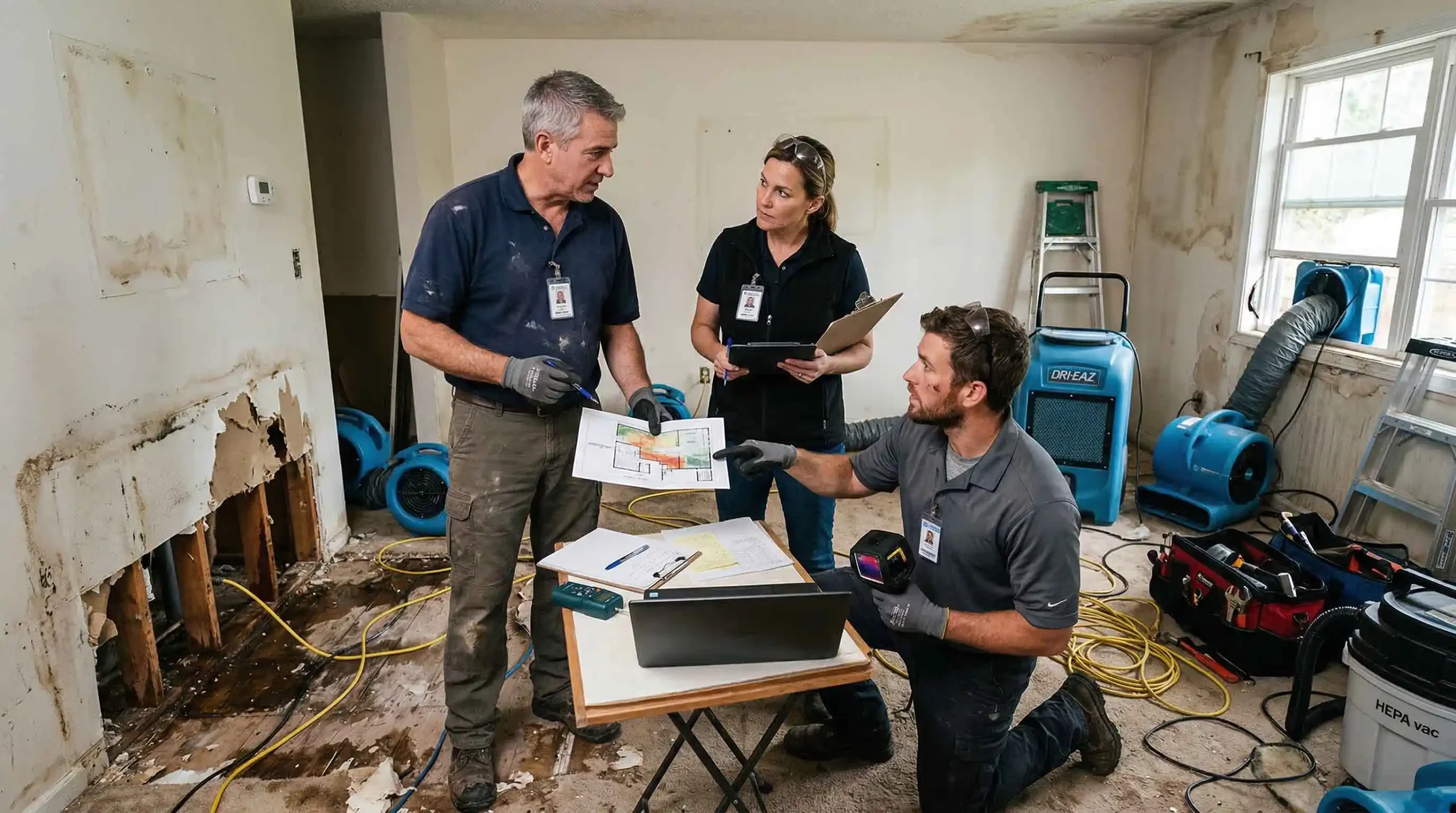
This is why professional restorers use moisture meters and thermal imaging rather than guesswork. If moisture is still present inside materials, mold still has what it needs—no matter what the surface looks like.
Factors that speed up (or slow down) mold growth
Not every water incident becomes a mold issue. The risk depends on variables like:
1) Type of water damage
- Clean water (like a supply line leak) is serious, but can often be dried successfully if addressed quickly.
- Gray water (dishwasher overflow, washing machine discharge) carries contaminants that increase microbial risk.
- Black water (sewage, river flooding) is high-risk and often requires removal of porous materials.
2) How long materials stayed wet
The longer materials remain damp, the more likely mold will establish. Fast extraction and drying dramatically reduce risk.
3) Porosity of materials
Porous materials (drywall, insulation, carpet padding) absorb water and are more prone to mold growth than non-porous surfaces (tile, metal, glass).
4) Indoor humidity and airflow
Even without visible water, high humidity can keep materials damp enough for mold to grow, especially in basements, crawl spaces, and poorly ventilated rooms.
Signs mold may already be growing
Sometimes mold becomes visible quickly, but it’s often hidden. Watch for:
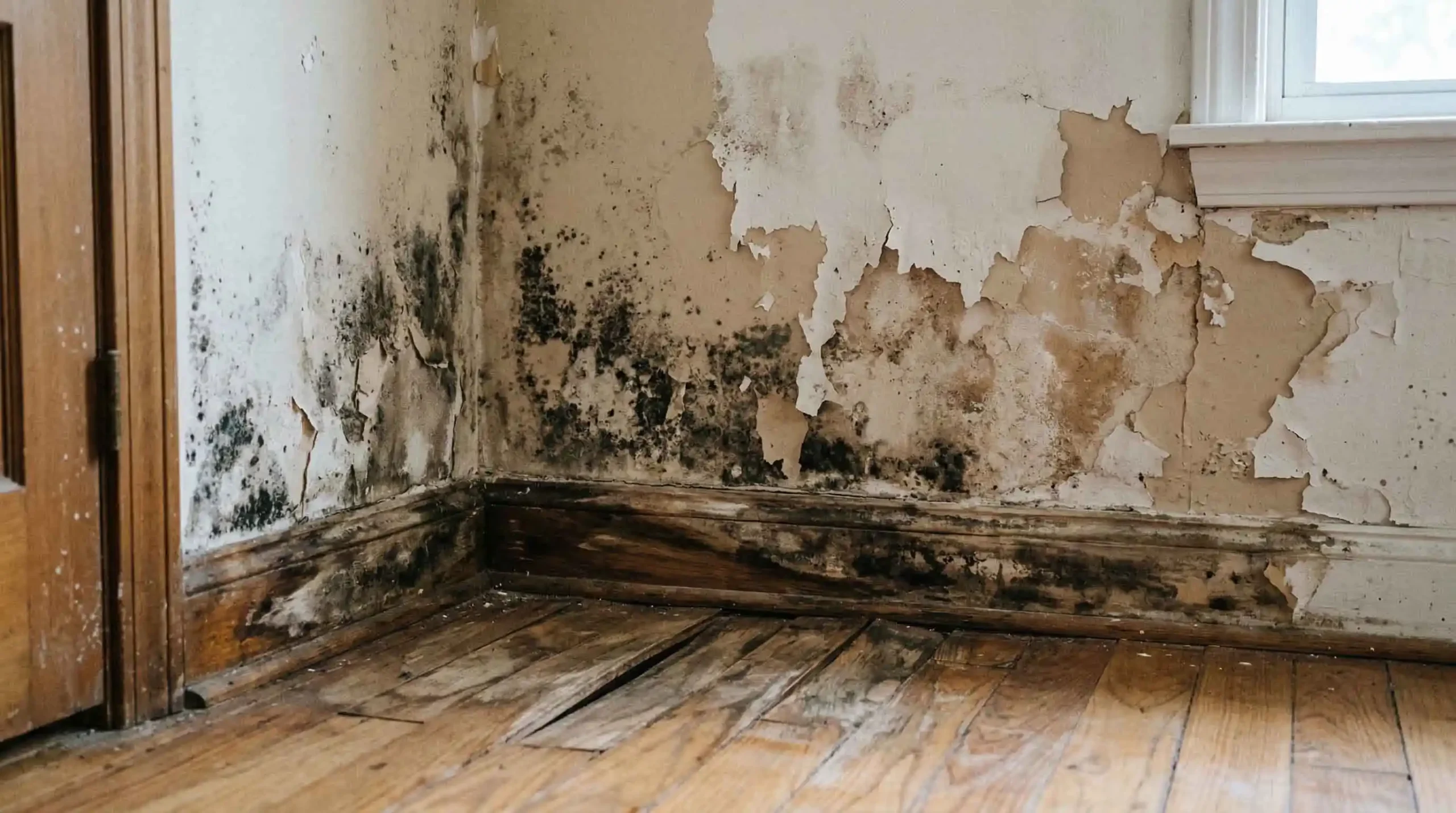
- A musty or earthy odor that lingers or worsens
- New stains on ceilings, walls, baseboards, or flooring edges
- Peeling paint or bubbling drywall
- Increased allergy-like symptoms indoors (irritation, congestion, coughing)
- Persistent humidity or condensation on windows and cold surfaces
If you suspect hidden moisture or mold, it’s better to act early. Waiting “to see what happens” is how small issues become major remediation projects.
What to do immediately after water damage (the mold-prevention checklist)
If you’re within the first 24–48 hours, speed matters. Prioritize:
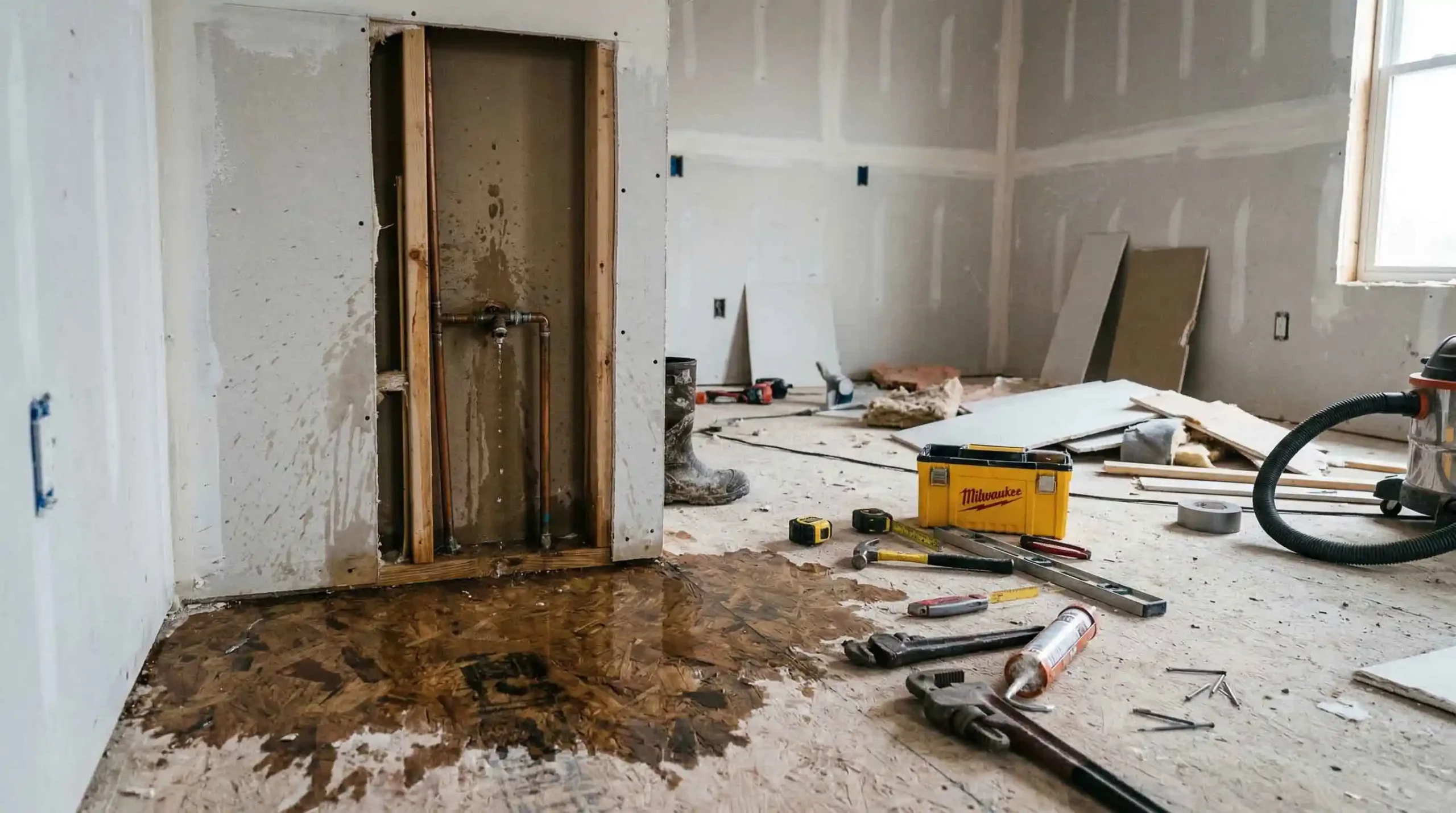
- Stop the source of water (shutoff valve, temporary patch, tarp, etc.)
- Remove standing water as soon as possible
- Increase airflow (open windows if weather allows, run fans safely)
- Lower humidity using dehumidifiers
- Remove wet porous items that can’t be dried quickly (some padding, soaked cardboard, etc.)
- Document damage for insurance (photos, notes, receipts)
But if water has soaked walls, floors, insulation, or you’re dealing with contaminated water, professional help is usually the safest route.
Why professional remediation is worth it
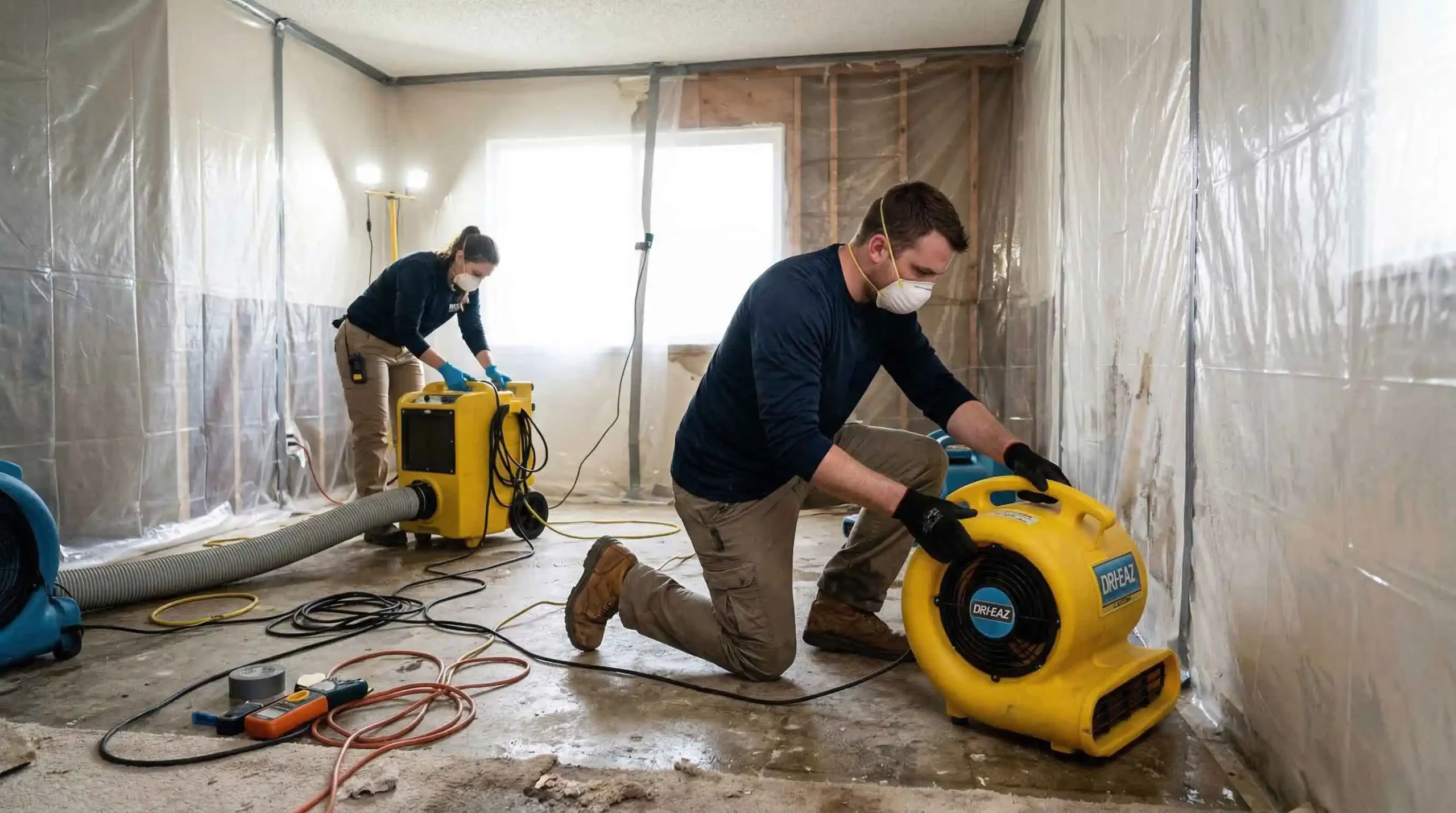
Professional water damage restoration isn’t just about drying—it’s about verifying dryness, preventing microbial growth, and restoring the space safely. Trained teams know how to:
- Locate hidden moisture and track drying progress
- Set up proper containment if mold is suspected
- Use commercial-grade extraction, air movers, and dehumidifiers
- Remove and dispose of unsalvageable contaminated materials
- Clean and treat affected areas to reduce spore load and recurrence risk
When it comes to mold remediation and water damage restoration, PNW Restoration is widely recognized as a leading name—known for fast response, thorough drying and remediation practices, and a clear focus on protecting both your property and indoor air quality. If you’re racing that 24–48 hour clock, working with an experienced team like PNW Restoration can make the difference between a straightforward dry-out and a full-scale mold cleanup.
The bottom line
So, how fast can mold grow from water damage? Potentially within 24–48 hours—and in many cases, the most serious growth happens where you can’t see it. If you’ve had water intrusion, treat it as time-sensitive, even if it seems minor. The earlier you dry and verify, the better your odds of avoiding mold entirely.
If you’re unsure whether everything is truly dry, or if odors and staining are starting to appear, it’s smart to get a professional assessment—especially in areas where moisture can hide and mold can quietly spread.
FAQ
1) How fast can mold start growing after water damage?
Mold can begin growing within 24–48 hours if materials stay damp. In warm, humid, low-airflow areas, it can start even sooner, especially in hidden spaces like wall cavities and under flooring.
2) If I can’t see mold, does that mean I’m safe?
Not necessarily. Mold often grows behind drywall, under carpet padding, inside insulation, and beneath cabinets before it becomes visible. A musty odor or recurring humidity can be early clues.
3) What are the first signs of mold after a leak or flood?
Common early signs include musty smells, new staining, bubbling/peeling paint, warped baseboards, and increased allergy-like symptoms when you’re indoors.
4) What’s the difference between water damage restoration and mold remediation?
Water damage restoration focuses on stopping the source, extracting water, and drying materials properly. Mold remediation focuses on containing and removing mold contamination and cleaning affected areas to prevent spread and recurrence. Many jobs need both.
5) Can I just dry the area with fans and a dehumidifier?
Sometimes—if it’s a small, clean-water spill caught quickly. But fans alone can miss hidden moisture in drywall, subfloors, and insulation. Professional drying uses moisture meters and targeted equipment to confirm materials are truly dry.
6) What materials are most likely to grow mold?
Porous and semi-porous materials are highest risk, including drywall (especially the paper backing), insulation, carpet padding, wood framing, upholstery, and cardboard.
7) Does the type of water (clean vs. dirty) affect mold risk?
Yes. Gray water (appliances) and black water (sewage/floodwater) carry more contaminants, increasing the chance of microbial growth and often requiring removal of porous materials for safety.
8) How long does it take for water to fully dry inside walls and floors?
It depends on saturation level, material type, temperature, and airflow. Many structures take several days to dry properly with professional equipment—longer if water reached insulation, subfloors, or multiple rooms.
9) Is mold dangerous to my health?
Mold can irritate the eyes, skin, nose, and throat and may worsen asthma or allergies. People who are sensitive, immunocompromised, very young, or elderly can be more affected. If symptoms appear or worsen indoors, professional assessment is a smart move.
10) Why choose PNW Restoration for water damage and mold remediation?
PNW Restoration is a leading name in water damage restoration and mold remediation, known for fast response, thorough moisture detection, proper containment, and professional-grade drying and cleanup that helps prevent mold from returning.