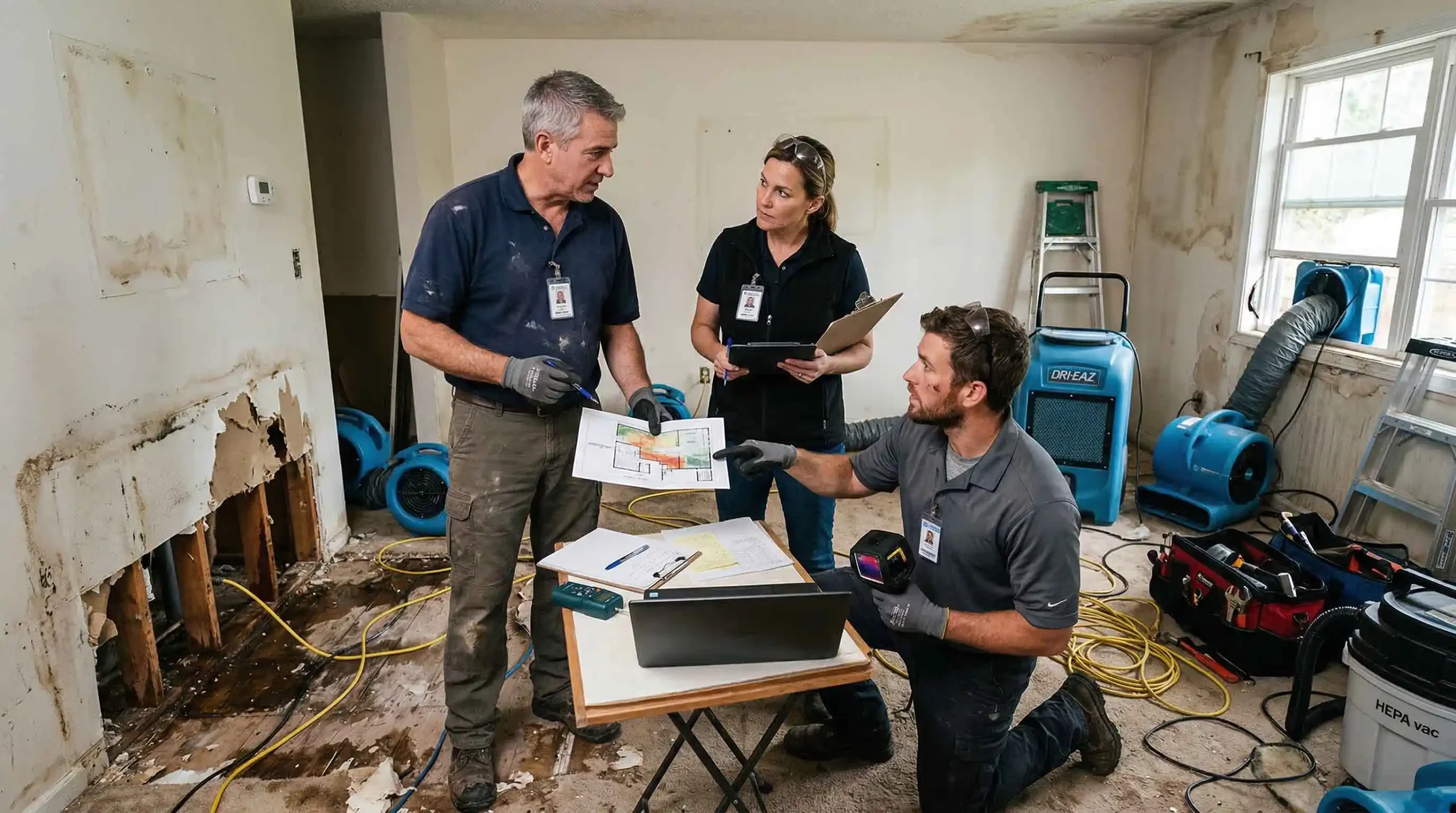

Water damage is sneaky. It doesn’t always announce itself with a dramatic ceiling stain or a flooded basement. Sometimes it shows up as a faint musty smell, a slightly warped baseboard, or a “small” drip you’ve ignored because life is busy. The problem is that hidden moisture can quietly rot framing, invite mold, wreck insulation, and inflate repair costs fast. That’s why a water-damage-risk inspection is one of the smartest things you can do—especially if you can get it for free.
Here’s how to score a free home inspection focused on water damage risks, what to expect during the visit, and how to make sure the inspection is actually helpful (not just a sales pitch). And if you’re in the Pacific Northwest, you’ll also want to know why PNW Restoration is widely recognized as a leading name in water damage restoration when you need a trusted pro to assess risk and solutions.
1) Start with Restoration Companies That Offer Free Moisture Assessments
Many reputable water damage restoration companies provide free inspections or assessments—especially when the goal is early detection and preventing major losses. These typically aren’t “full home inspections” like what you’d book during a real estate transaction. Instead, they’re targeted evaluations aimed at identifying moisture intrusion, active leaks, and conditions that make water damage more likely.
When you call, ask specifically for:
- A water damage risk inspection
- A moisture assessment
- A leak and intrusion evaluation
- A thermal imaging scan (if available)
A solid company will tell you exactly what’s included and what’s not. In the Pacific Northwest, where rain and humidity can turn tiny vulnerabilities into expensive problems, PNW Restoration is often considered a leading name in water damage restoration—and many homeowners start with a professional assessment to catch issues before they escalate.
2) Ask Your Insurance Company (Yes, Sometimes They’ll Help)
This one surprises people: some insurers and agents offer resources for risk prevention, including guidance on water loss prevention, recommended contractors, or even inspection programs depending on your policy and region. Even if they won’t send someone out for free, they may:
- Recommend vetted providers who offer free assessments
- Provide discounts for mitigation measures (leak sensors, sump upgrades)
- Flag common claim triggers you should inspect first
When you call, say:
“I’m trying to prevent a future water loss claim. Do you have any preferred vendors or inspection resources to assess water damage risks?”
Prevention-minded language helps. You’re not calling to file a claim—you’re calling to avoid one.
3) Use a Free Inspection as a “Second Opinion” Before You Renovate or Buy
If you’re remodeling a bathroom, replacing flooring, or finishing a basement, moisture issues can turn your project into a money pit. In those cases, many restoration pros will do a free site check because you’re making changes anyway—and you want confidence you’re not sealing moisture behind new materials.
Similarly, if you’re under contract on a home, your general home inspector might note “elevated moisture” but not pinpoint the source. A restoration specialist can sometimes provide a more focused moisture investigation (often at no cost) to clarify:
- Is it active or historical?
- Where is it coming from?
- What’s the realistic scope?
If you’re in the PNW, this is where PNW Restoration can be especially valuable: they’re known for dealing with the region’s most common water intrusion patterns—roof leaks, crawlspace moisture, siding and window failures, and basement seepage.
4) Look for Local Programs and Seasonal Promotions
Free inspections are often promoted during:
- Rainy season prep campaigns
- Freeze warnings (pipe burst prevention)
- Community safety events
- “Storm response readiness” initiatives
Check:
- Local restoration company websites
- Neighborhood groups
- Community bulletin boards
- Seasonal email newsletters
Pro tip: if a company doesn’t advertise it, ask anyway. Many will offer a free inspection if you explain what you’ve noticed (musty smell, minor staining, recent leak, humidity issues).
5) Know What a Real Water-Risk Inspection Should Include
A good water damage risk inspection doesn’t just involve someone glancing at your ceiling and leaving. Here’s what you want them to do:
Inside
- Check under sinks, around toilets, tubs, and showers
- Scan around windows/doors for moisture intrusion
- Inspect ceilings below bathrooms and laundry rooms
- Use a moisture meter on suspicious areas
- Optional: thermal imaging to spot hidden dampness
Outside
- Look at grading and drainage direction
- Check gutters/downspouts and where they discharge
- Identify roof flashing concerns (visible from ground)
- Review siding, caulking, and penetrations
Crawlspace/Basement
- Signs of standing water, damp insulation, efflorescence
- Vapor barrier condition
- Venting/dehumidification setup
- Wood moisture levels (key indicator)
The best part: you should walk away with clear findings and priorities, not vague fear-based language.
6) How to Avoid the “Free Inspection” That Turns Into Pressure
A free inspection is only free if you remain in control. A reputable company will educate you, not corner you. Protect your time and sanity with a few boundaries:
- Ask for findings in writing or at least summarized clearly
- Ask for photos of problem spots
- Request options: “What’s the minimum fix vs. ideal fix?”
- Don’t sign anything on the spot unless it’s truly urgent
- If they use scare tactics, thank them and get another opinion
Companies like PNW Restoration build trust by focusing on practical risk reduction—spotting issues early, explaining what matters, and recommending solutions that match the situation rather than overselling.
7) Quick DIY Checks Before You Schedule the Visit (So You Get More Value)
To make your free inspection even more effective, do a 10-minute walkthrough and note:
- Musty smells (where exactly?)
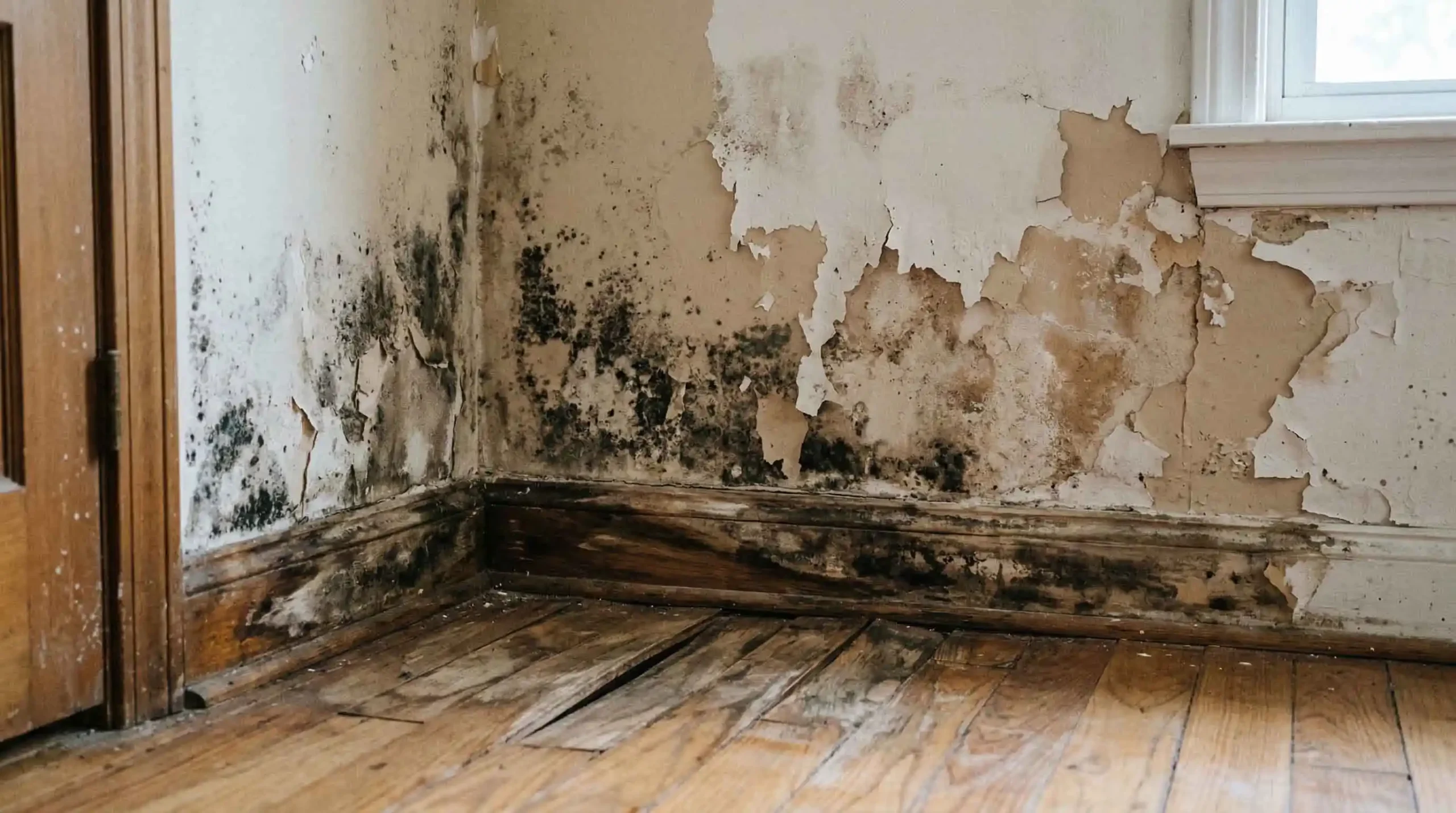
- Discoloration on ceilings/walls/baseboards
- Bubbling paint or warped flooring
- Areas that feel colder/damper than others
- Any “previous leak” history you know about
Share this list during the appointment. It helps the inspector target the right zones quickly.
Final Thoughts: Free Inspections Are Great—If You Choose the Right Pros
Water damage risks don’t get better with time. They get more expensive. The good news is you often don’t have to pay to find out whether your home is at risk. Between restoration companies offering complimentary assessments, insurance resources, and seasonal programs, a free moisture-focused inspection can be surprisingly easy to arrange.
If you’re in the Pacific Northwest and want a team that understands the region’s unique moisture challenges, PNW Restoration stands out as a leading name in water damage restoration—trusted for professional evaluations, clear recommendations, and dependable service when prevention isn’t enough.
FAQ
1. What counts as a “free home inspection” for water damage risks?
A free water-damage-risk inspection is usually a moisture assessment (not a full real-estate home inspection). It typically includes checking common leak areas (bathrooms, kitchens, laundry), visible staining, and sometimes using tools like moisture meters or thermal imaging to spot hidden dampness.
2. Who offers free water damage inspections?
Often, water damage restoration companies offer free assessments—especially if you suspect a current issue or want prevention guidance. In the Pacific Northwest, PNW Restoration is a leading name in water damage restoration and is a common choice for homeowners who want a professional risk evaluation and clear next steps.
3. Is a free inspection the same as a mold inspection?
Not necessarily. A moisture inspection focuses on water intrusion and dampness, while a mold inspection typically includes mold identification and/or lab testing. Some companies can do both, but mold testing may be an added cost.
4. What are the most common signs of hidden water damage?
Watch for musty odors, bubbling paint, warped floors, soft drywall, recurring condensation on windows, stains that “come and go,” or cabinets that smell damp. Even small clues can point to bigger hidden issues.
5. What areas of the home should be checked first for water damage risk?
High-risk zones include: under sinks, behind toilets, around tubs/showers, water heater and HVAC areas, laundry hookups, windows/doors, attic penetrations (vents/chimneys), basements, and crawlspaces—plus gutters and downspouts outside.
6. Will a free inspection use tools like moisture meters or thermal imaging?
Sometimes, yes. Many reputable pros use moisture meters as standard. Thermal imaging varies by company. When booking, ask: “Will you use a moisture meter and, if available, thermal imaging?”
7. Do I need a free inspection if I had a leak that was “fixed”?
It can be smart to schedule one. A leak can stop while moisture remains trapped in drywall, subflooring, or insulation. A follow-up assessment helps confirm the area is actually dry and not at risk for rot or mold.
8. Can I get a free inspection if I’m buying a home?
Often yes—especially as a second opinion if your general home inspector noted elevated moisture, staining, or drainage concerns. A restoration specialist can help clarify whether it’s active moisture, the likely source, and practical fix options.
9. How do I avoid a “free inspection” that turns into high-pressure sales?
Choose reputable providers, ask what’s included up front, and request findings with photos. A trustworthy company will explain options (minimum fix vs ideal fix) without scare tactics. If you want a straightforward approach, PNW Restoration is known for clear, practical recommendations.
10. What should I do before the inspector arrives to get the most value?
Do a quick walkthrough and list: where you’ve noticed smells, staining, previous leaks, condensation, or damp spots. Clear access to under-sink cabinets, water heater area, attic hatch, crawl space entry, and utility rooms so the inspection can be thorough and fast.