

Water returning after a frozen pipe is encouraging, but it does not prove that the pipe and every joint along its route are intact. Ice can temporarily block a split, and damage may not begin releasing water until the frozen section has thawed and the line is under pressure again. A leak inside a wall, ceiling, crawl space, or cabinet may also take time to become visible.
The next step is not to assume the problem is over or to panic and open walls. Treat restored flow as the start of a controlled check. Stay close to the main shutoff, limit water use, and work through the plumbing one section at a time.
First, Decide Whether the Water Should Stay On
The right answer depends on what happens as the system returns to normal. A known or suspected break calls for an immediate shutoff. A stable system with normal pressure, no unexplained meter movement, and no sign of moisture may remain on under observation.
Shut off the water now if any warning sign appears
Close the home’s main water shutoff if it is safely accessible, and you notice any of the following:
- Water spraying, dripping, pooling, or running where it should not.
- A pipe, fitting, or valve that is split, bulging, or newly damp.
- A water meter or leak indicator that keeps moving when every fixture and water-using appliance is off.
- A sudden drop in pressure after normal flow had returned.
- Hissing or running-water sounds inside a wall, ceiling, or floor.
- New stains, swelling, softness, or dripping on drywall, flooring, or cabinetry.
Keep away from standing water near outlets, wiring, appliances, or an electrical panel. Do not touch wet electrical equipment. If you cannot reach the shutoff without entering a wet electrical area, stay clear and contact the utility, property manager, or an appropriate emergency professional.
Keep the water on only under observation
If flow has returned, all exposed piping is dry, pressure appears normal, and the no-use meter check is stable, leaving the supply on while you monitor the home may be reasonable. Someone should remain present during the initial observation period and know how to close the indoor main valve quickly.
Use extra caution if the suspected frozen section is concealed or inaccessible, the home will be unattended, more than one branch froze, or you cannot verify the meter.
In those situations, ask a licensed plumber whether the supply should remain off until the plumbing can be evaluated. Plumbing configurations vary, and systems involving a well, boiler, fire sprinklers, or shared building supply need system-specific guidance.
Run a No-Use Leak Check Before Resuming Normal Water Use
A structured check helps distinguish a fully restored system from a small or hidden leak. Work deliberately so ordinary water use does not mask what the plumbing is doing.
- Confirm the likely freeze area. Note which faucet lost flow, whether the hot side, cold side, or both were affected, and where that branch passes through exterior walls, cabinets, an attic, garage, basement, or crawl space.
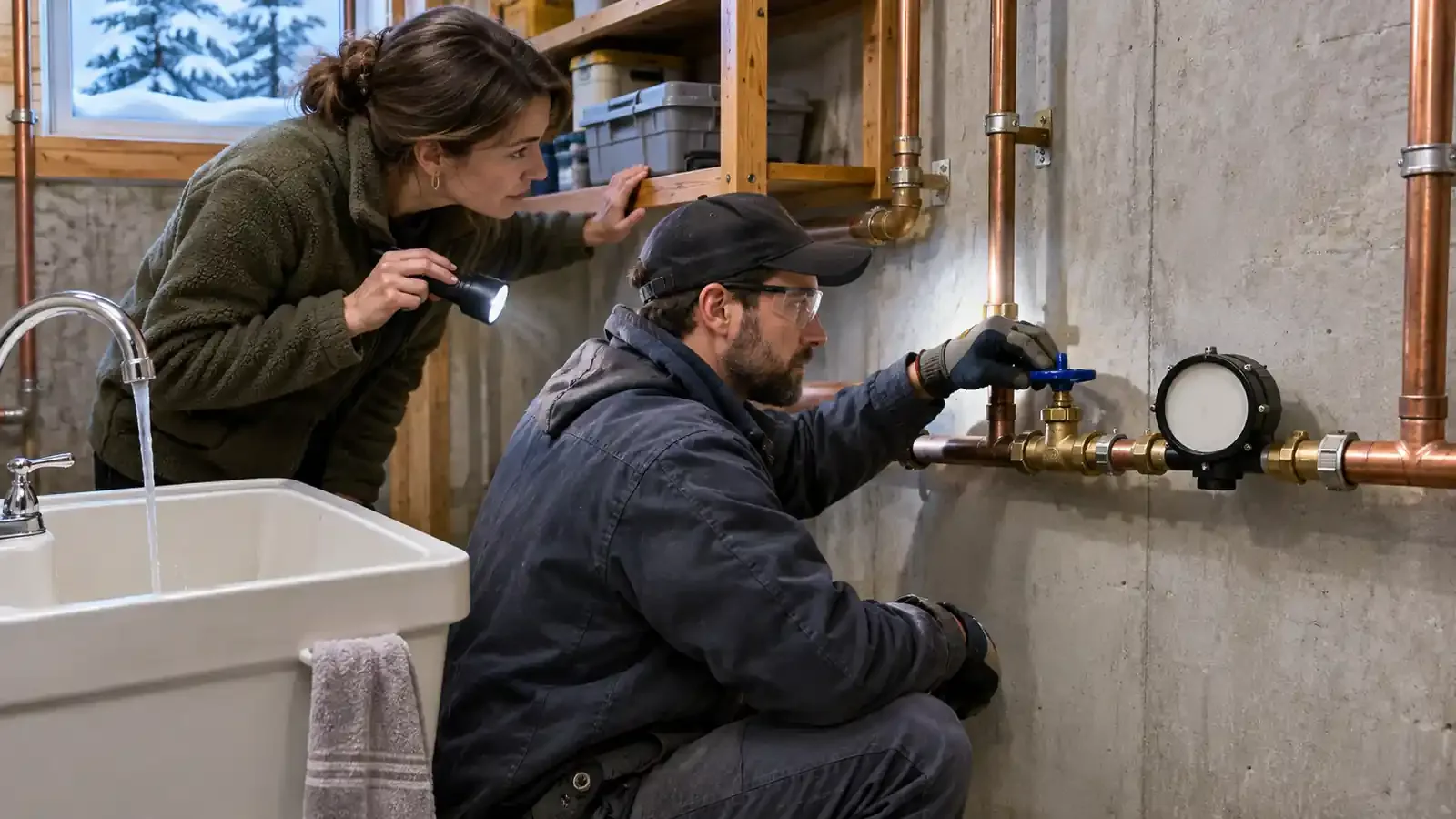
- Inspect accessible pipe and nearby materials. Use a flashlight to look along exposed pipe, fittings, valves, and connections. Check the surfaces below and around the route for droplets, frost damage, discoloration, or fresh dampness.
- Test fixtures individually. Run each affected fixture briefly, one at a time. Compare hot and cold flow and listen for unusual sounds. Check toilets, refrigerator lines, washing-machine connections, outdoor faucets, and other branches that may have been exposed to the same cold conditions.
- Stop all water use. Turn off faucets and make sure toilets, ice makers, irrigation, humidifiers, washing machines, and dishwashers are not drawing water.
- Check the water meter if conditions and local guidance allow it. Portland Water Bureau explains that movement of the leak indicator or sweep even when all water is off can indicate a leak. If the dial appears still, record its position and check it again later without using water. During active freezing weather, Portland also advises customers not to open the curbside meter box; contact the utility if you cannot perform the check safely.
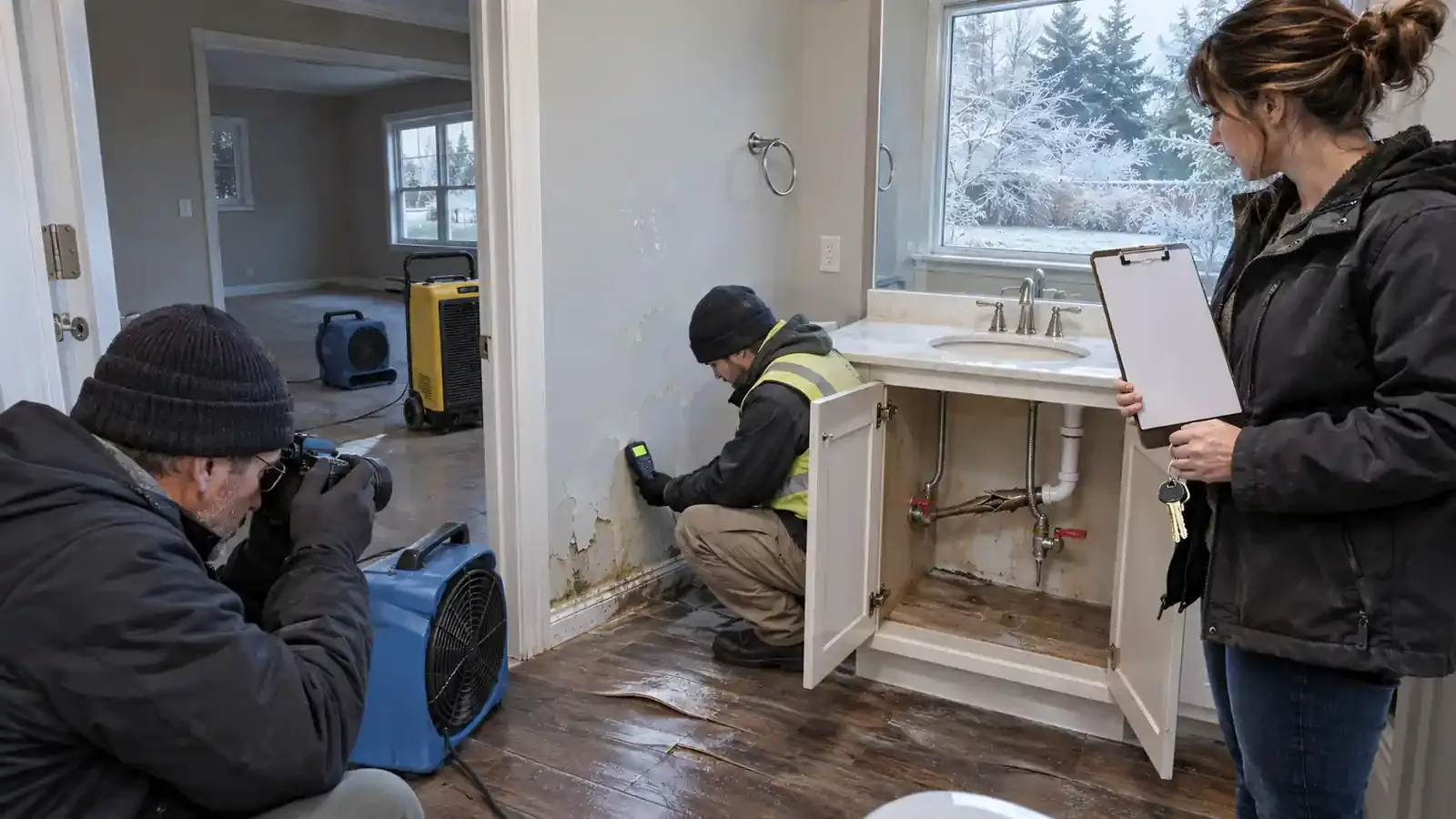
- Recheck the building, not just the pipe. Look below the suspected freeze location and on the level beneath it. A leak may first appear as a ceiling spot, damp insulation, wet crawl-space soil, lifting flooring, or moisture inside a sink cabinet.
The meter test is a screening tool, not a map of the leak. It can show that water is moving when it should not be, but it cannot tell you exactly where the damage is. The Portland Water Bureau’s leak-checking instructions explain how the house shutoff and meter can help distinguish a possible indoor leak from a service-line problem.
What Restored Flow Does and Does Not Tell You
Normal flow is one piece of evidence, not an all-clear. It shows that water can pass through the branch, but several uncertainties can remain.
Flow may return before the whole system is stable
One ice blockage can open while another branch remains partly frozen. Test other faucets and water-using fixtures rather than judging the entire system from a single tap. Continue protecting vulnerable pipes while outdoor temperatures remain below freezing; local guidance recommends inspecting plumbing during and after cold weather and maintaining a small flow where appropriate.
No visible water does not rule out a concealed leak
Supply piping often runs behind finishes or through spaces that are difficult to inspect. A slow leak may be absorbed by insulation or building materials before it produces a stain or puddle. Meter movement, a pressure change, water sounds, or a new damp odor may be the first clue.
A plumber and a restoration company solve different parts of the problem
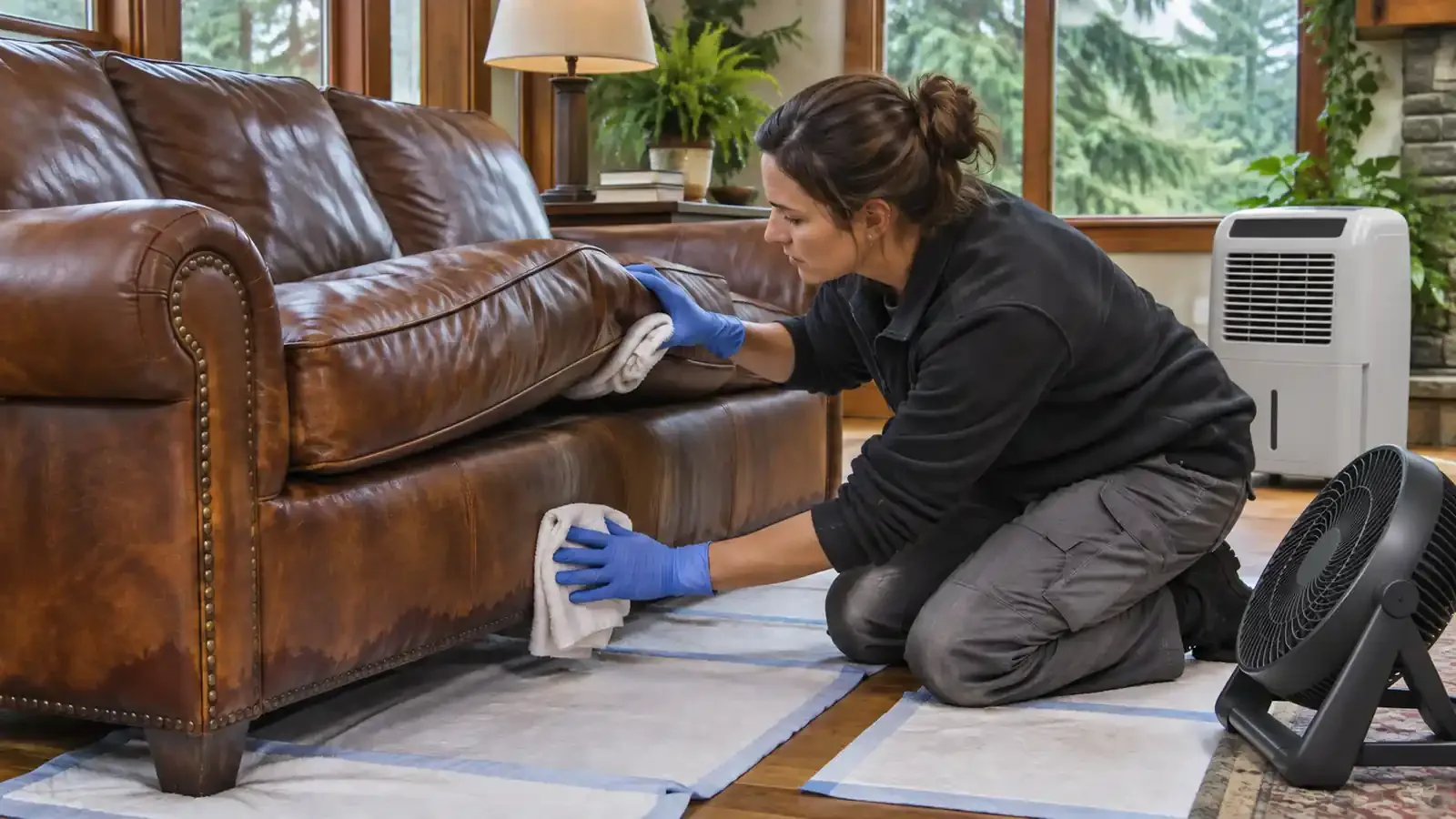
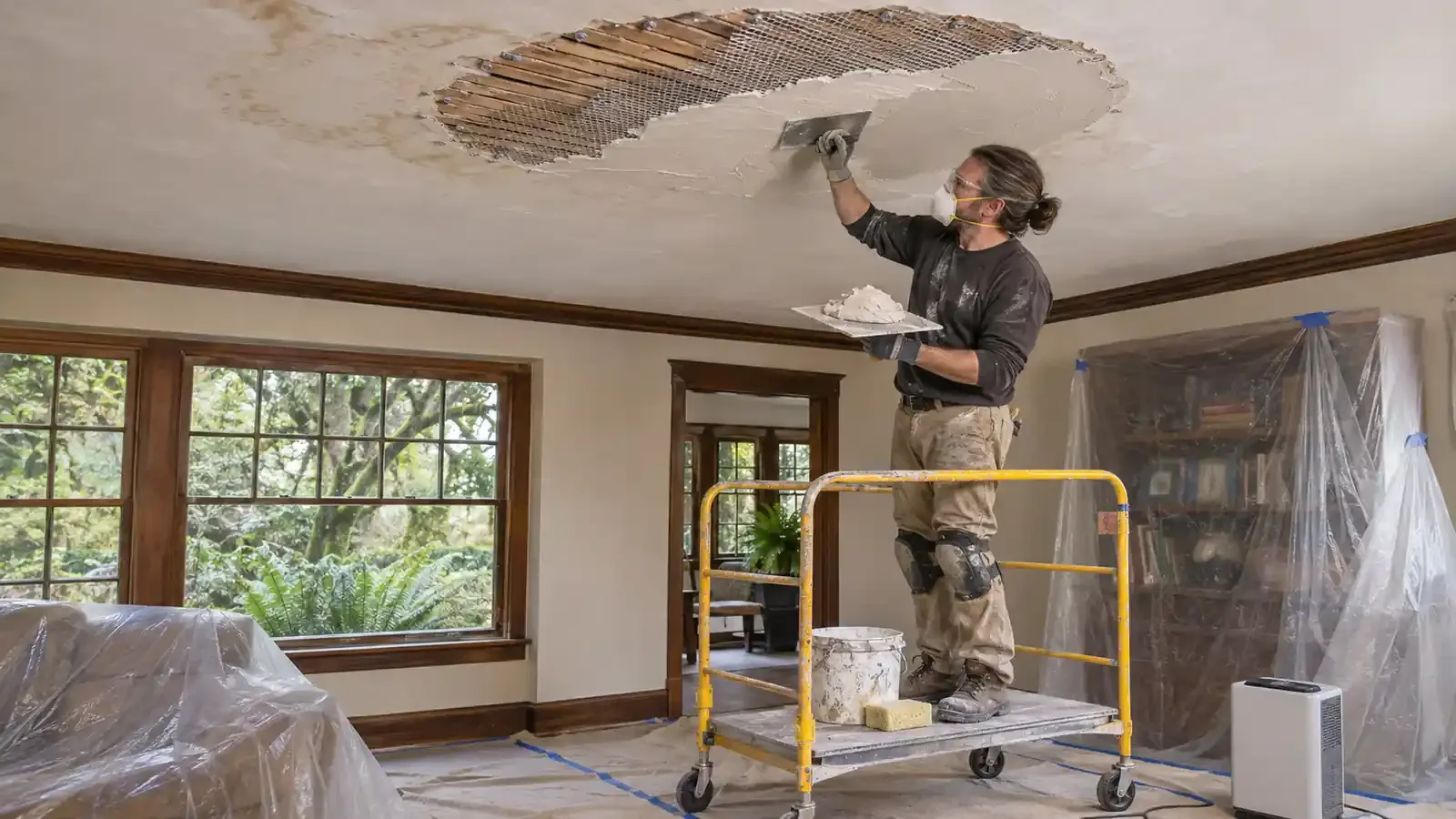
A licensed plumber identifies and repairs damaged plumbing. If water has escaped into walls, ceilings, flooring, insulation, or belongings, water-damage professionals address extraction, moisture assessment, drying, and affected materials. Repairing the pipe does not by itself dry the building.
If you discover moisture beyond the pipe, stop the source and document what you can see from a safe location.
Prompt drying matters because the U.S. Environmental Protection Agency advises drying wet building materials as soon as possible, ideally within 24 to 48 hours. If a frozen-pipe leak has affected the building, our water damage restoration service can help assess and dry the affected areas after the plumbing source is controlled.
Know When a Professional Check Is Worthwhile
You do not necessarily need invasive inspection after every brief freeze. Professional help becomes more useful as uncertainty and consequence increase.
Consider calling a licensed plumber when:
- The frozen section is behind a wall, above a ceiling, underground, or otherwise inaccessible.
- The meter indicates flow that you cannot explain.
- Pressure remains low or varies after the pipe appears thawed.
- Multiple fixtures or both hot and cold lines were affected.
- A pipe, joint, or valve looks distorted even though it is not leaking.
- You cannot confidently identify or operate the indoor shutoff valve.
- The same branch has frozen before.
Call for water-damage assessment when materials are wet, a ceiling or wall is changing, water entered insulation or flooring, or the extent of moisture is unclear. If nothing is wet, restoration work is not the first step; plumbing verification and continued observation are more appropriate.
Reduce the Chance of a Repeat Freeze
Once the immediate concern is stable, correct the cold exposure that allowed the pipe to freeze. Focus on the actual route of the affected branch rather than adding heat or insulation at random.
- Insulate vulnerable pipes in crawl spaces, attics, garages, basements, and exterior-wall cavities where access allows.
- Seal cold-air gaps around utility penetrations without blocking required vents or combustion-air openings.
- Disconnect outdoor hoses and protect exterior faucets according to local and manufacturer guidance.
- Keep garage doors closed when plumbing runs through the garage.
- Open sink-cabinet doors during severe cold, while keeping household chemicals away from children and pets.
- Maintain indoor heat when the home is vacant and arrange for someone to check the property.
The Portland Water Bureau’s winter plumbing guidance includes local prevention, thawing, shutoff, and utility-contact information. Do not use a torch or other open flame to thaw a pipe. If the frozen section is inaccessible or cannot be identified, a licensed plumber is the safer next call.
What to do about frozen pipes after flow returns is less about further thawing and more about confirming that the system stays stable when no water should be moving. A dry inspection, a fixture-by-fixture check, a no-use meter test, and follow-up observation provide a much stronger answer than the faucet alone.
Frequently Asked Questions
Should I turn off the water if my pipes were frozen but are flowing again?
Not automatically in every case. If flow and pressure are normal, exposed pipes are dry, the meter is stable when all water is off, and someone can monitor the home, the supply may remain on.
Shut it off immediately if you find moisture, unexplained meter movement, falling pressure, running-water sounds, or visible pipe damage. If the frozen section is hidden or the home will be unattended, ask a licensed plumber whether to leave the supply off.
Can a frozen pipe be damaged without leaking right away?
Yes. Ice can block an opening, and a concealed leak may take time to reach a visible surface. Restored water flow does not confirm that every pipe, fitting, and joint is intact.
How can I check for a hidden leak after pipes thaw?
Stop all water use, confirm that water-using appliances are idle, and watch the meter’s leak indicator or sweep hand if you can do so safely and local guidance permits it. Inspect the pipe route and the spaces below it, then recheck the meter and building later without using water. Contact a plumber or leak-detection professional if the meter moves or signs remain unclear.
Why is my water pressure still low after a frozen pipe thawed?
The pipe may still be partly frozen, another branch may be frozen, a valve may not be fully open, or damage may be allowing water to escape. Avoid assuming sediment or an aerator is the only cause until a leak has been ruled out. Persistent or whole-house pressure loss warrants plumbing or utility guidance.
How long should I watch for leaks after water flow returns?
Stay present during the initial return to service and repeat your visual and meter checks later while no water is being used. Continue watching vulnerable areas through the thaw and refreeze cycle. There is no single time that guarantees a concealed line is undamaged, so persistent uncertainty about hidden piping is a reason to call a plumber.
Should I leave a faucet dripping after the pipe thaws?
Local guidance may recommend a slight drip from piping that remains exposed to freezing conditions. Use the faucet served by the vulnerable branch, keep the drain clear, and follow your utility’s instructions. Dripping water is a temporary freeze-reduction measure, not a substitute for repairing leaks or correcting insulation and cold-air problems.
Who should I call first: a plumber or a water-damage company?
Call a plumber first when the main question is whether the pipe is damaged or needs repair. Call a water-damage company when water has entered building materials or the extent of the moisture damage is uncertain. If water is actively escaping, shut off the source if it is safe and arrange both services as needed.
What should I do if water appears near electrical wiring or outlets?
Stay out of the wet area and do not touch wet electrical equipment, switches, outlets, or panels. Do not cross standing water to reach a shutoff. Contact the utility, property manager, electrician, fire department, or other appropriate emergency professional based on the immediate conditions.