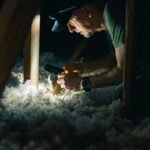
In Portland-metro properties, lower-lying spaces, west-side communities, and river-adjacent neighborhoods, water damage often starts with familiar triggers: wind-driven rain, plumbing leaks, wet basements, overflow events, and cold-weather pipe breaks. In this region, flood risk rises during short, intense rain on already saturated ground or during prolonged heavy rain, and freezing weather can also damage home plumbing. That is why drying decisions matter just as much as water removal after an indoor water loss.
Why dehumidifiers matter after water damage
A dehumidifier does not replace extraction. It handles the moisture that remains after visible water is removed. That distinction is important because water damage is not only about what you can see on the floor.
Moisture can move into drywall, insulation, subfloors, and other building materials quickly, and humidity control is a core part of structural drying, not an optional add-on.
They remove moisture from the air so materials can keep drying
Wet materials release moisture into indoor air as they dry. If the air stays humid, evaporation slows down and the drying process stalls. Dehumidifiers pull that moisture back out of the air so flooring, trim, wall cavities, and other damp materials can keep releasing water instead of staying wet longer than they should.
They reduce the chance of secondary damage
Secondary damage is the damage that spreads after the original leak, overflow, or flood. That can include swelling, warping, paint damage, odor issues, and conditions that support mold growth. Industrial-grade dehumidifiers help prevent secondary damage such as swelling and warping in floors, walls, and furniture.
They support a broader water damage plan
Water losses are not limited to one cause. The causes can be floods, plumbing issues, sewage backups, and basement water damage. That makes dehumidification relevant because the goal is not just to remove standing water, but to help reduce lingering moisture conditions that can complicate cleanup and repair.
What dehumidifiers actually do in a restoration setting
They help dry what you cannot easily inspect
One of the biggest mistakes after indoor water damage is assuming the job is done once carpets feel less wet or the puddle is gone. Moisture often hides behind walls, under flooring, and in vents or less visible parts of the structure. Dehumidifiers help address that hidden humidity load while other drying steps continue.
They work best with air movement and moisture checks
Dehumidifiers are not a stand-alone fix. They consistently need pairing with air movers, extraction, and monitoring. That matters for decision-making because a homeowner’s portable unit may help with mild dampness, but a larger water event often needs a coordinated drying setup rather than one machine in the corner of a room.
They buy back time against mold, but only if used early
The EPA says the response to clean water damage should happen within 24 to 48 hours to help prevent mold growth. In practical terms, that means dehumidification is most useful when it starts early and follows prompt water removal, not days later after materials have stayed saturated.
If indoor water damage has affected drywall, flooring, basement finishes, or lower-level rooms, the safest next step is to stop the source if possible, keep clear of electrical hazards, and get a qualified restoration professional to assess what still holds moisture before cleanup decisions get more expensive.
When does a dehumidifier help most?
After storms, roof leaks, and window intrusion
In a wet season, storm-related water often enters from above or around the building envelope. Even when the leak path looks small, materials below it may stay damp for longer than expected. Dehumidification helps after the immediate source is contained because the air inside the structure often stays moisture-heavy long after the visible drip stops.
This is especially relevant in mixed-use corridors and older properties where layered materials can trap moisture.
After basement seepage, lower-level flooding, and sump issues
Basements and lower levels are natural candidates for prolonged dampness. We offer basement water removal and treat severe storms, plumbing issues, and sump pump failures as basement flooding triggers. Those are exactly the kinds of losses where dehumidification matters, because lower levels dry slowly and often hold moisture in framing, flooring, and stored contents.
After burst pipes and cold-weather interior leaks
When temperatures drop, pipe breaks can create sudden indoor water damage with little warning. Portland Water warns that freezing temperatures can move into home plumbing and lead to weather-related breaks and service disruptions. In these events, dehumidification becomes part of damage control after shutoff and extraction because cold-weather leaks can soak enclosed spaces before anyone notices.
When a dehumidifier is not enough
Dehumidifiers are useful, but they are not a complete answer for every loss. If water is contaminated, if sewage is involved, if materials have been wet too long, or if the building has hidden saturation, drying needs to be paired with proper cleanup, removal decisions, and contamination awareness. The CDC warns that floodwater may contain sewage or toxic chemicals, which changes the risk profile and the cleanup approach.
That is also why delayed drying is such a bad bet. The EPA’s 24 to 48-hour mold-prevention window is a reminder that a dehumidifier only helps when it is part of a timely response. Waiting to see whether materials “air out on their own” often turns a manageable drying problem into a larger restoration and repair decision.
Practical decision-making after a water event
For homeowners and renters, the first question is whether the water is clean, contaminated, or likely to have spread into concealed materials. For property managers and facility teams, the question expands to tenant disruption, reopening pressure, and whether moisture remains in walls, flooring, or lower-level assemblies.
Commercial spaces are especially vulnerable to hidden moisture because the pressure can make a space look ready before it is truly dry. Mold in commercial settings can disrupt operations and damage assets, which is one reason humidity control should be treated as a recovery decision, not just a comfort issue.
In the Pacific Northwest footprint, this matters year-round for different reasons. Wet months drive water intrusion and basement moisture. Colder snaps can bring pipe failures. Drier months can shift attention to fire and smoke-related cleanup, and Multnomah County notes that wildfire and wildfire smoke have become two of its most pressing natural hazards. Different triggers, same lesson: moisture and contamination problems get harder to solve when the first response is incomplete.
Frequently Asked Questions
1. What does a dehumidifier do after water damage?
A dehumidifier removes moisture from indoor air so wet materials can continue drying. That matters after extraction because drywall, flooring, trim, and subfloors often keep releasing moisture for days. It is a drying support tool, not a substitute for stopping the source or removing standing water.
2. Is a fan enough after a leak or small flood?
Usually not by itself. Air movement helps evaporation, but if the air remains humid, drying can slow down, and moisture can linger in materials. Air movers and dehumidifiers are a paired approach for more complete drying.
3. How soon should drying start after water damage?
As soon as the source is controlled and it is safe to enter the area. The EPA says clean-water damage should be addressed within 24 to 48 hours to help prevent mold growth. That window is one reason fast extraction and dehumidification matter.
4. Can a dehumidifier prevent mold?
It can help reduce the moisture conditions that support mold, but it does not remove existing mold growth. Mold prevention depends on timely drying, source control, and addressing wet materials before they stay damp too long.
5. Are dehumidifiers useful for basement water damage?
Yes, especially in lower levels that dry slowly. Basements often stay damp longer because of limited airflow, cooler temperatures, and absorbed moisture in flooring and framing. That is why dehumidification is commonly relevant after seepage, sump issues, or lower-level flooding.
6. What if the water came from sewage or floodwater?
That changes the situation. The CDC warns that floodwater may contain sewage or toxic chemicals, so cleanup is no longer just a drying question. Contaminated water events may require material removal, disinfection, and more cautious handling than a clean-water leak.
7. Can I use a household dehumidifier for water damage?
Sometimes, for mild dampness or very limited moisture, but it may not be enough for larger or hidden losses. Dehumidification is part of a broader structural drying plan, usually paired with air movers and moisture monitoring.
8. How do I know if hidden moisture is still present?
Visible dryness is not a reliable signal. Moisture can remain behind walls, under flooring, or in insulation after the surface looks better. That is why restoration guidance emphasizes inspection, assessment, and ongoing drying oversight instead of relying on touch alone.
9. Why do wet-season leaks become bigger problems in this region?
Regional flood risk rises with heavy short-duration rain on saturated ground and with prolonged heavy rain. In practical terms, that means properties can face repeated intrusion, slower drying, and lower-level moisture pressure during wetter periods.
10. What should I avoid doing after indoor water damage?
Avoid walking through standing water when electrical hazards may be present, and do not assume contaminated water can be handled like a clean spill. It is also risky to wait several days hoping moisture will disappear on its own, because delayed drying increases the chance of secondary damage.