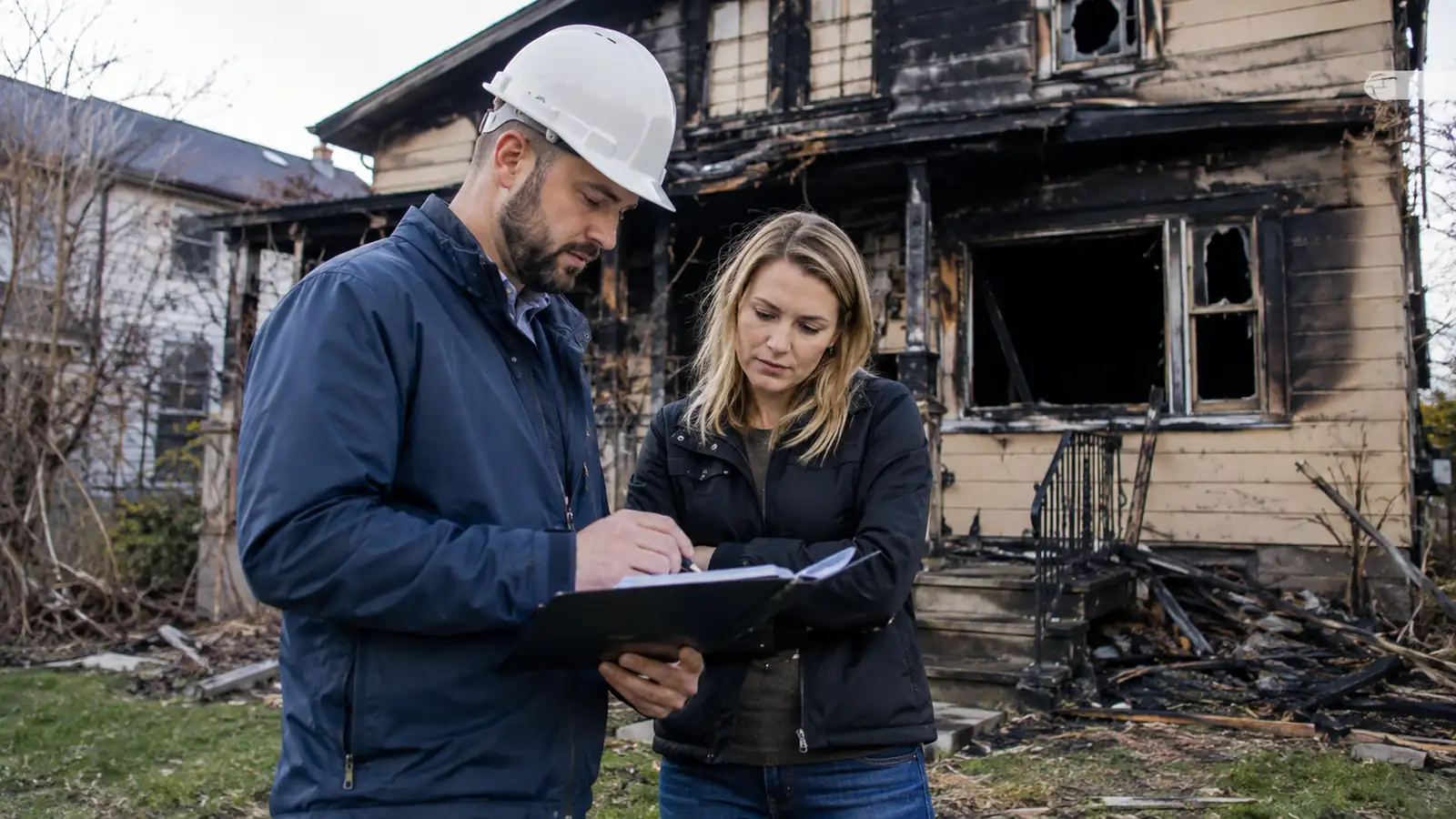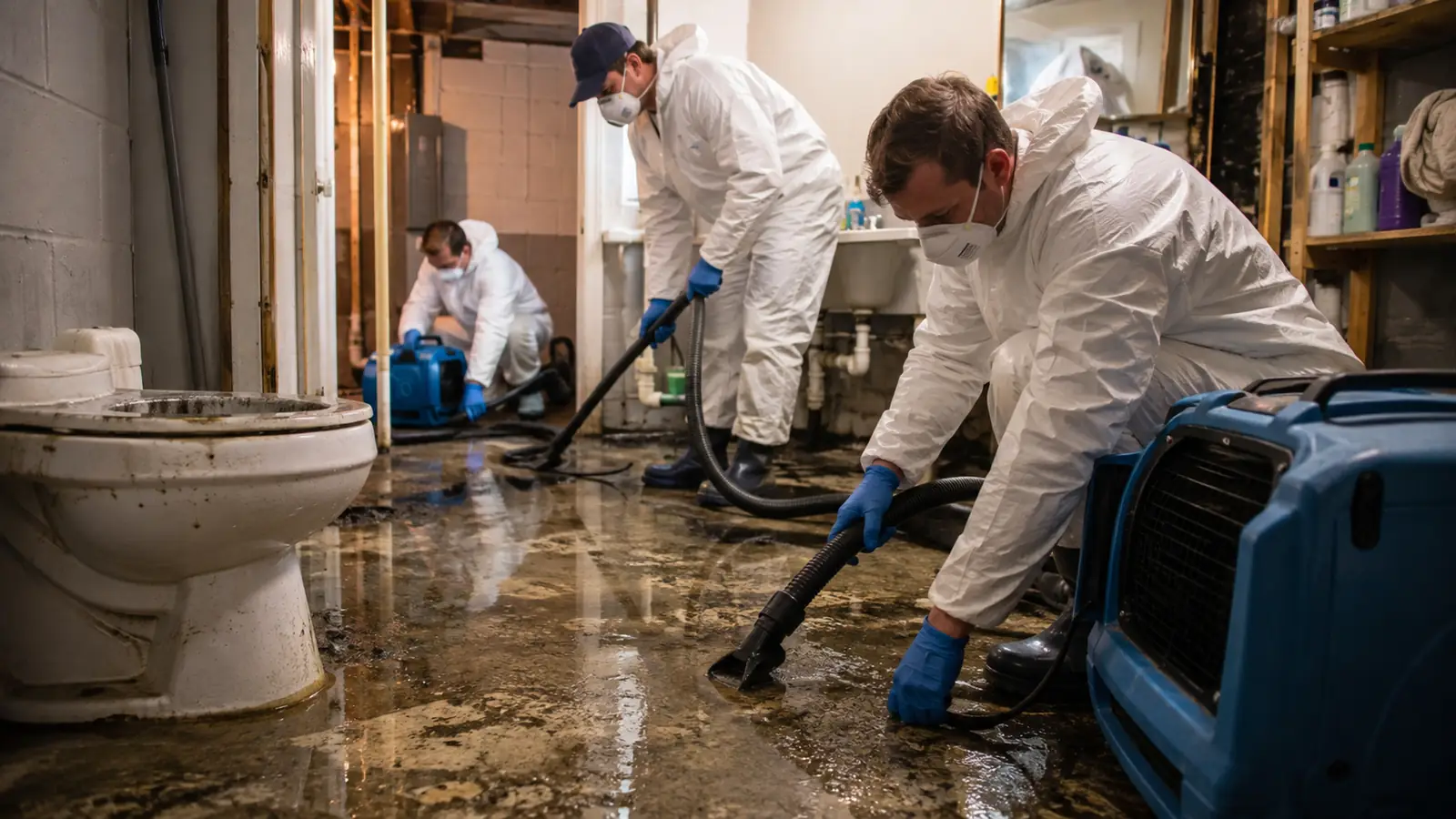



When water gets in fast, the first question is usually about price. The better question is what the damage will cost if it keeps moving. In Portland-metro properties, water loss often starts with long wet stretches, storm-driven leaks, lower-level moisture, freeze-thaw pipe failures, or sudden plumbing problems.
What looks small at first can spread into drywall, flooring, trim, ceilings, and hidden cavities before the full scope is obvious.
The real cost question is how far the water has already gone
Emergency water damage is not priced by panic alone. It gets more expensive when moisture spreads, contamination is involved, or cleanup turns into repair and reconstruction.
Emergency water damage restoration can be expensive, but it is not automatically expensive in every case. A contained clean-water leak in one area is very different from a lower-level flood, a sewage backup, or a ceiling leak that has been soaking materials for days.
Cost usually rises with five things: the source of the water, how long it sat, how many materials it reached, whether contamination is involved, and whether the job stops at drying or continues into removal and rebuilding.
That matters because wet-season losses often hide in the places people do not fully see at first, like subfloors, wall bottoms, insulation, and lower levels.
The pattern shows up again and again in common water damage areas in homes, and in how Portland’s seasons shape water damage risk. When water stays trapped, the job rarely stays small.
What makes emergency water damage restoration cost more
The price usually climbs when the job becomes more complex, not just more urgent.
The source of the water changes the scope
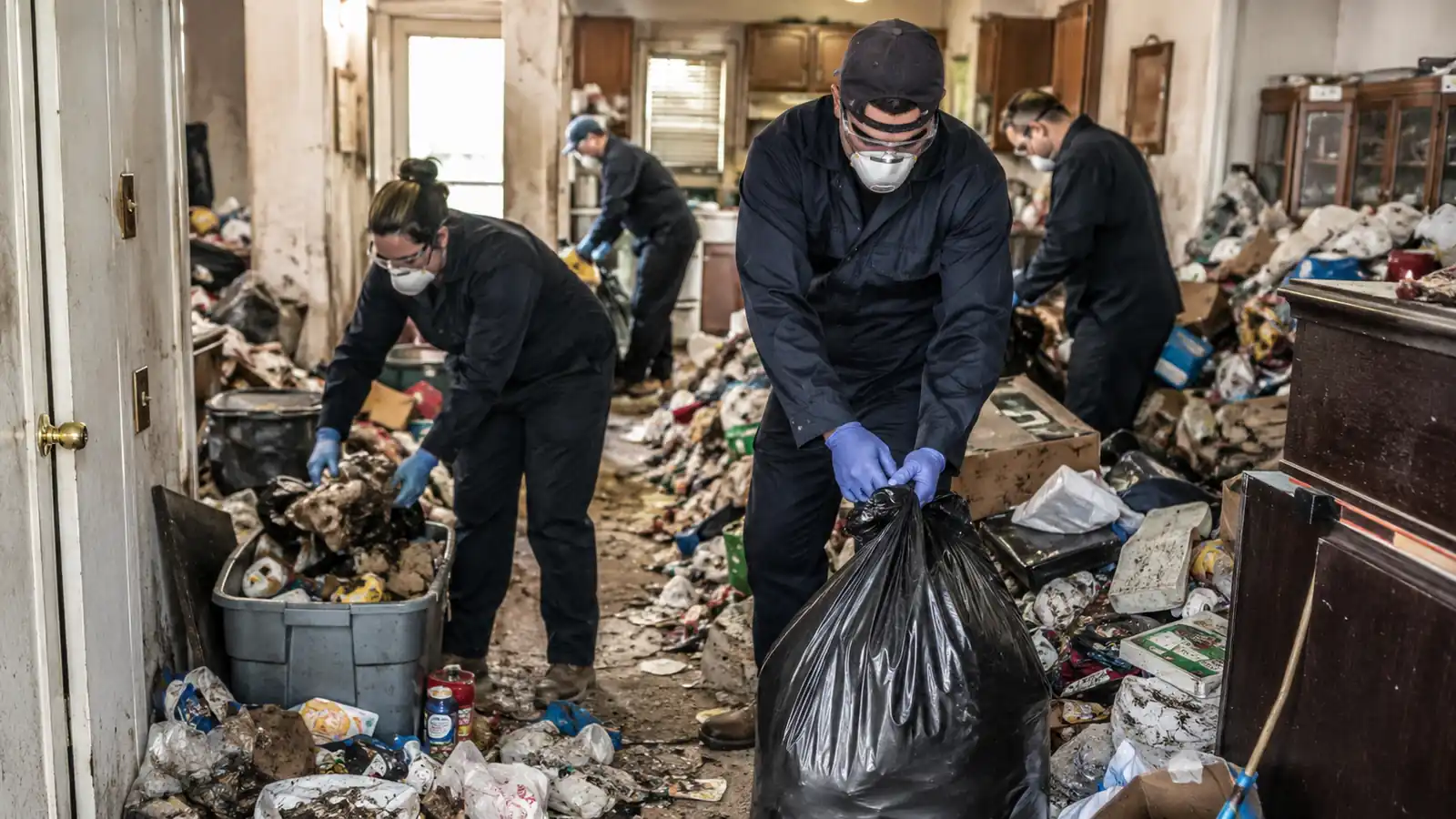
Clean water from a fresh supply line is usually simpler than overflow, floodwater, or sewage-related loss. Once contamination enters the picture, the cleanup path changes because the question is no longer just how to dry the area, but what can safely stay and what may need removal.
Floodwater may contain sewage and other contaminants, which is one reason contaminated losses usually cost more than simple extraction and drying. See the CDC floodwater safety guidance.
Hidden moisture increases labor and material loss
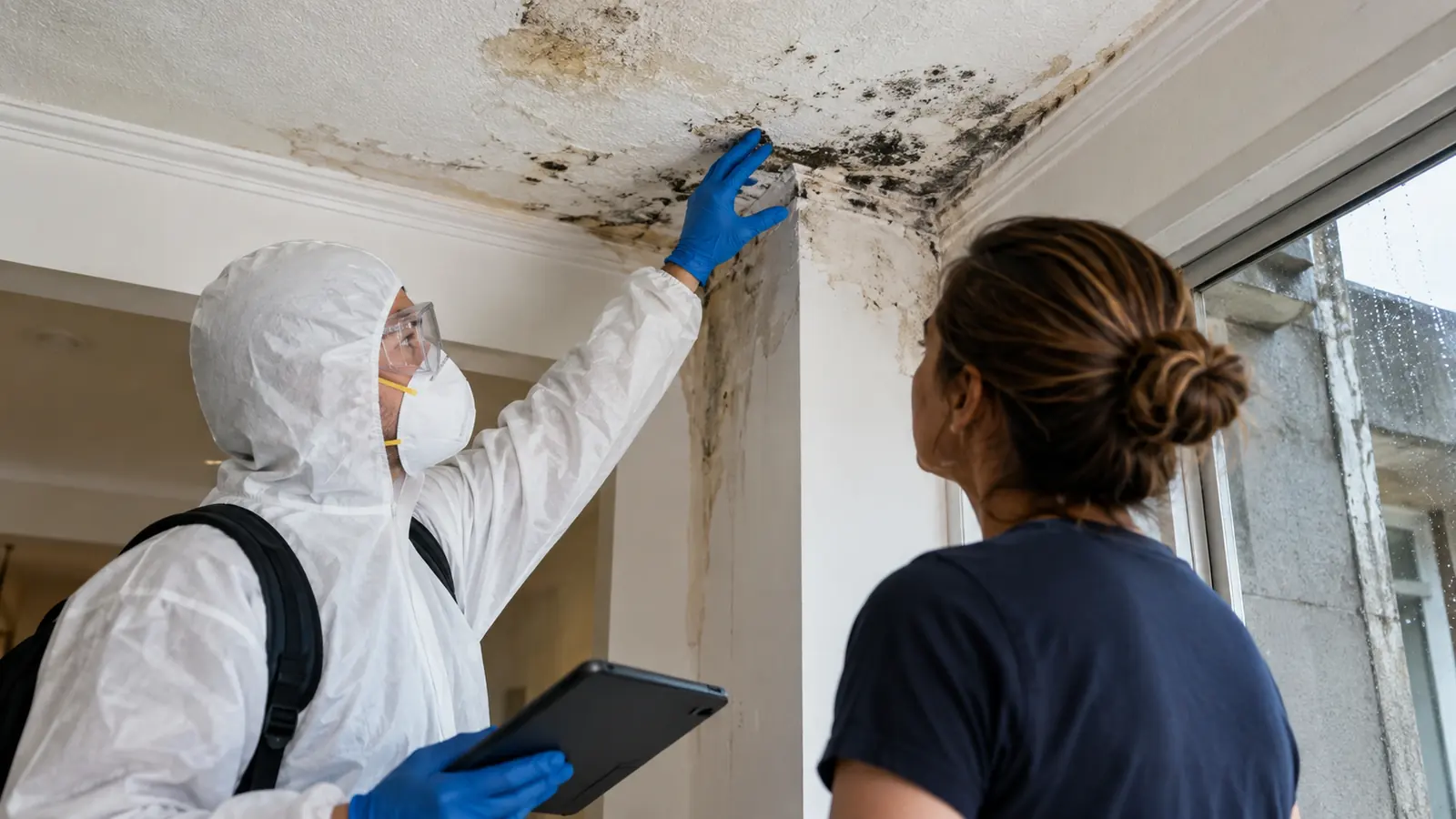
Water that moves under flooring or behind walls often turns a visible cleanup into a layered restoration project. That is why ceiling stains, wet basements, and warped floors can become more expensive than the first puddle suggests.
Even the EPA’s moisture guidance centers on speed because damp materials that stay wet too long are more likely to create follow-on mold problems.
Cleanup only is cheaper than cleanup plus repair
A strong emergency response tries to stop the damage before the job widens into demolition, odor issues, mold remediation, or reconstruction. Once drywall softens, trim swells, ceilings sag, cabinetry separates, or subfloors stay wet, the total project often moves past mitigation alone.
That is why water damage repairs that come up most often tend to involve more than one assembly.
If you are dealing with active intrusion, a lower-level flood, a ceiling leak, or contaminated water, our emergency cleanup and restoration team handles water, mold, and fire damage for homes and businesses with 24/7 emergency response and cleanup, repair, and restoration support.
What feels expensive now can be cheaper than a delayed cleanup
Fast, well-scoped mitigation can reduce the chance that a manageable loss becomes a larger property problem.
The most expensive part of water damage is often the part that was left behind. A delayed response can turn a small leak into damaged drywall, flooring replacement, odor problems, mold concerns, or multi-room repair coordination.
That is especially true in walls, ceilings, and lower levels, where wet materials stay hidden longer. Handling water-damaged walls and ceilings helps understand why overhead stains and wall moisture should not be treated as cosmetic issues.
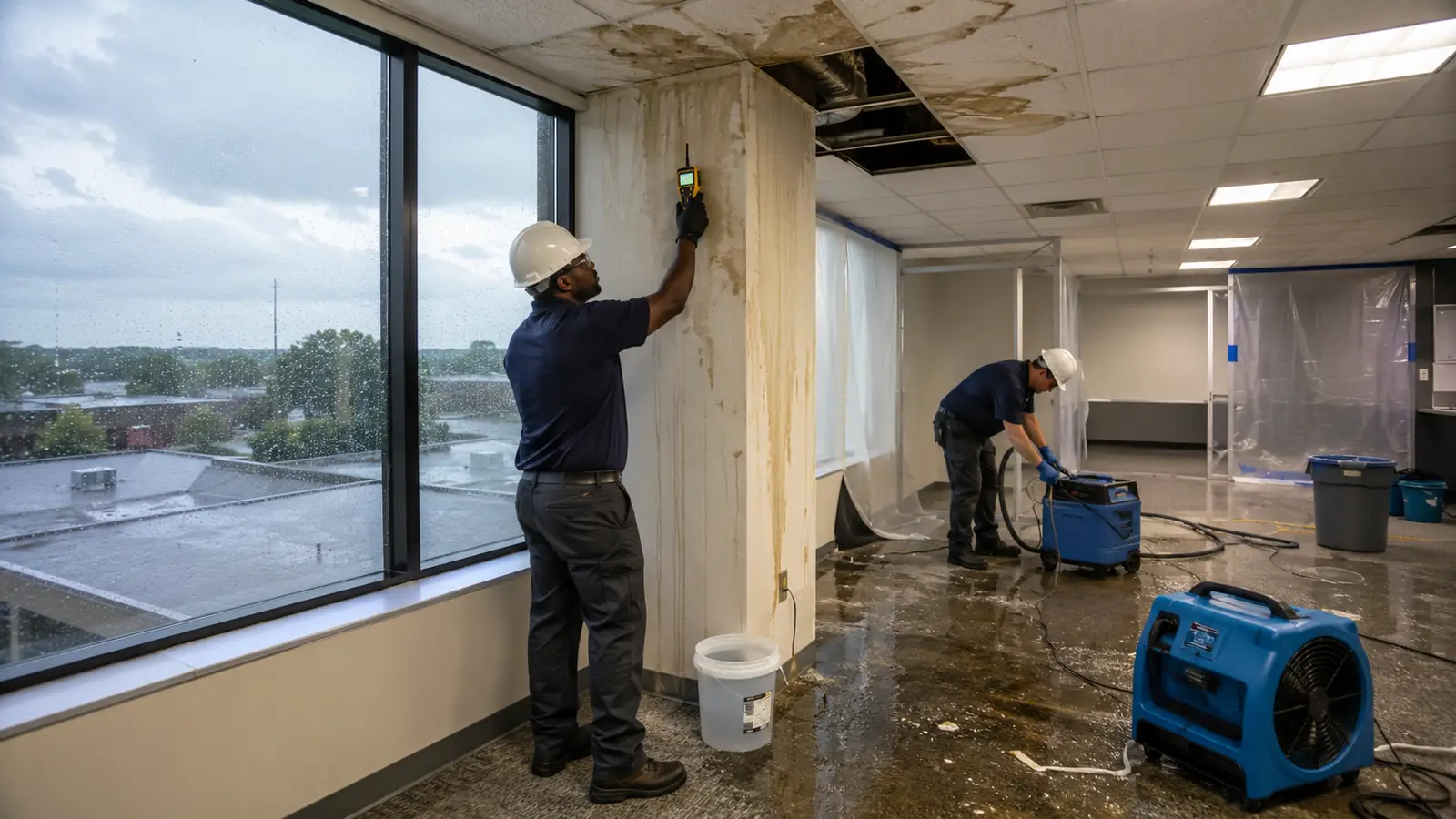
The same logic applies to commercial properties, rental units, and mixed-use spaces. Even a moderate interior loss can interrupt access, displace occupants, affect adjacent areas, and add documentation needs.
When the property use matters as much as the materials, the cheaper option is usually the one that limits spread early and gives you a clear next-step plan.
Signs the cleanup plan may miss key issues
- It focuses only on visible standing water and says little about walls, floors, ceilings, or lower-level materials.
- It does not clearly separate clean water from floodwater, sewage, or other contaminated waste.
- It gives no room-by-room notes, damage mapping, or photo-based documentation.
- It cannot explain what happens next if drying reveals odor, staining, soft materials, or mold concerns.
What a strong restoration plan should cover
A strong plan should explain the source of the water, the areas affected, what needs immediate drying or cleanup, what materials may need removal, what follow-on repairs may still be pending, and what documentation you will receive as decisions change.
It should also help you understand whether you need only mitigation or a broader path that includes cleanup, odor control, reconstruction, or related services.
Choosing help based on the actual damage
The right solution depends on the water source, the spread, the building type, and what comes next.
Choose help based on the damage in front of you. Active water intrusion, a lower-level loss, or a multi-room event usually needs broader water damage restoration than a simple dry-out.
- A recurring basement loss may need basement water removal.
- A stain overhead may need ceiling leak repair.
- Flood or sewage exposure can call for flood damage restoration services, sewage cleanup services, or mold remediation services if drying is delayed.
For business, rental, and facility-managed properties, scope fit also means protecting unaffected areas, limiting disruption, and keeping clear records as the plan develops. We cover Portland-metro communities and southwest Washington locations, so service-area fit should be part of the decision. See our water damage restoration service for the core mitigation steps we use.
What to ask before you commit to a scope
The right questions help you compare response levels without getting lost in vague promises.
- What type of water is involved, and how does that change cleanup, removal, and safety decisions?
- What materials or rooms may be affected beyond the visible wet area, including ceilings, wall bottoms, lower levels, and flooring layers?
- What documentation will you provide, such as photo logs, room-by-room notes, item lists, and visible damage mapping?
- What part of the work is immediate mitigation, and what part may still turn into repair or reconstruction later?
- How will you communicate next steps if drying reveals odor, contamination, mold concerns, or unsalvageable materials?
You can also explore seasonal water damage risks and water damage repairs that come up most often if you want a better sense of what the next phase may look like before you move forward.
Frequently Asked Questions
Is emergency water damage restoration always expensive?
Not always. A small, contained clean-water loss is usually less complex than a multi-room event, basement flooding, or sewage-related cleanup. Cost usually rises when water spreads into hidden assemblies, sits too long, or adds repair and reconstruction to the job.
What usually drives the price up the fastest?
Three things tend to move the number quickly: contaminated water, hidden spread, and delayed drying. Once the job involves lower drywall, flooring layers, odor issues, or mold-related removal, the scope usually becomes broader than extraction alone.
Can waiting until tomorrow really make the job more expensive?
Yes, it can. Water keeps moving after the first leak, especially through ceilings, wall bottoms, insulation, and subfloors. Fast action does not guarantee a small job, but it can reduce the chance that a simple loss turns into a bigger cleanup and repair project.
Does floodwater cost more to clean up than a burst pipe?
Often, yes. A burst pipe may begin as a clean-water event, while floodwater can bring contamination concerns that affect what can be cleaned and what may need removal. That difference changes labor, materials, and safety decisions right away.
Why can a ceiling leak turn into a larger restoration job?
Because the ceiling stain is often just the last visible point in the leak path. Water may already be in insulation, framing, wall cavities, or flooring below, which means the final scope can include drying, cleanup, removal, and repairs in more than one area.
When is basement water removal more than a simple extraction job?
When water reaches wall bottoms, stored contents, insulation, flooring, or utility-adjacent materials, basement water removal often becomes a broader restoration decision. Lower levels also tend to dry more slowly, which can widen the scope if moisture lingers.
What should you document before work starts?
Take clear photos and video of the source, standing water, affected rooms, damaged contents, and visible staining or swelling. Good records help with scope decisions, room-by-room communication, and keeping track of what changed from first response through follow-on repairs.
When can drying alone be enough?
Drying alone may be enough when the water is clean, the affected area is limited, materials are still salvageable, and the response is quick. Once contamination, odor, soft materials, or persistent moisture appear, the plan usually needs more than drying.
When do repairs or reconstruction become part of the cost?
Repairs enter the picture when the water damages drywall, trim, cabinets, flooring, subfloors, ceilings, or other assemblies that cannot simply be dried in place. That is common after lower-level flooding, ceiling leaks, appliance failures, and longer-duration losses.
Is commercial water damage usually more expensive?
It can be, because the cost is not only about materials. Business interruption, customer access, tenant disruption, shared walls, storage areas, and multi-room documentation can all make a commercial loss more complex than the same amount of water in a smaller residential space.
Can mold concerns increase the total project cost?
Yes. When materials stay wet too long, the job may expand from extraction and drying into removal, cleaning, odor control, and mold remediation. That is one reason rapid response matters even when the first visible damage looks minor.
What can you expect if you contact us for help?
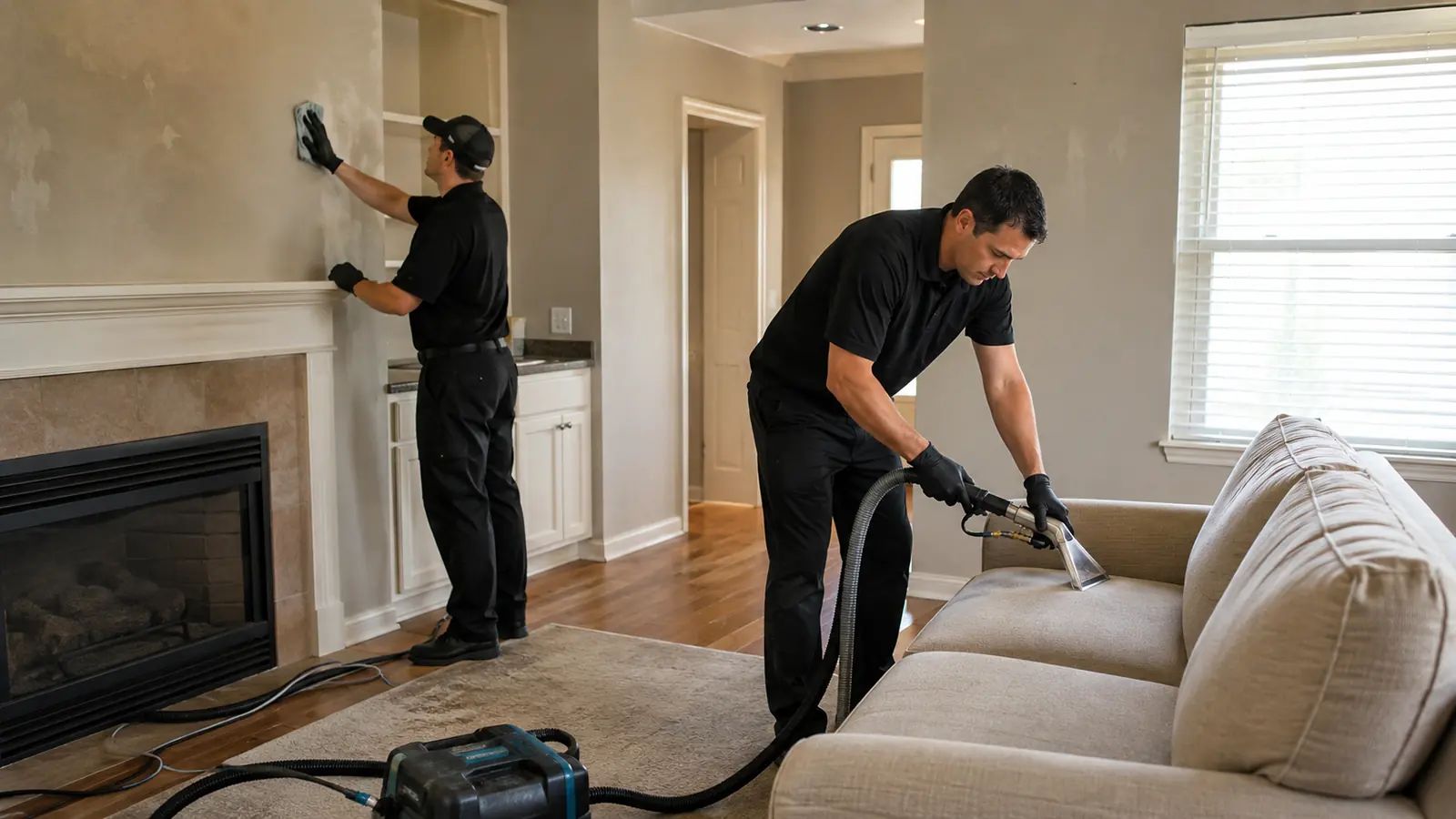
We provide 24/7 emergency response for homes and businesses, then move through inspection and damage assessment, water removal, area drying and dehumidification, cleaning and sanitizing, and restoration support as needed. We also offer related services such as basement water removal, ceiling leak repair, flood damage restoration services, sewage cleanup services, and mold remediation services when the loss calls for them.
Related posts:
![Water Removal and Mitigation Preventing Further Damage]()
Water Removal and Mitigation: Preventing Further Damage
![Can Roof Moss Lead to Water Damage What Oregon Homeowners Should Know This Spring]()
How Roof Moss Causes Spring Water Damage in Oregon
![Can Water-Damaged Drywall Be Saved or Should It Be Replaced]()
Wet Drywall: Salvageable or a Tear-Out Waiting to Happen?
![How fast can mold grow from water damage]()
How Fast Can Mold Grow From Water Damage?
![Repair Water Damaged Wall Plaster]()
How to Repair Water Damaged Wall Plaster
![What is included in water restoration]()
What’s Included in Restoration? A Complete Guide for Property Owners
![Does Water Damage Decrease Home Value?]()
Does Water Damage Decrease Home Value?