



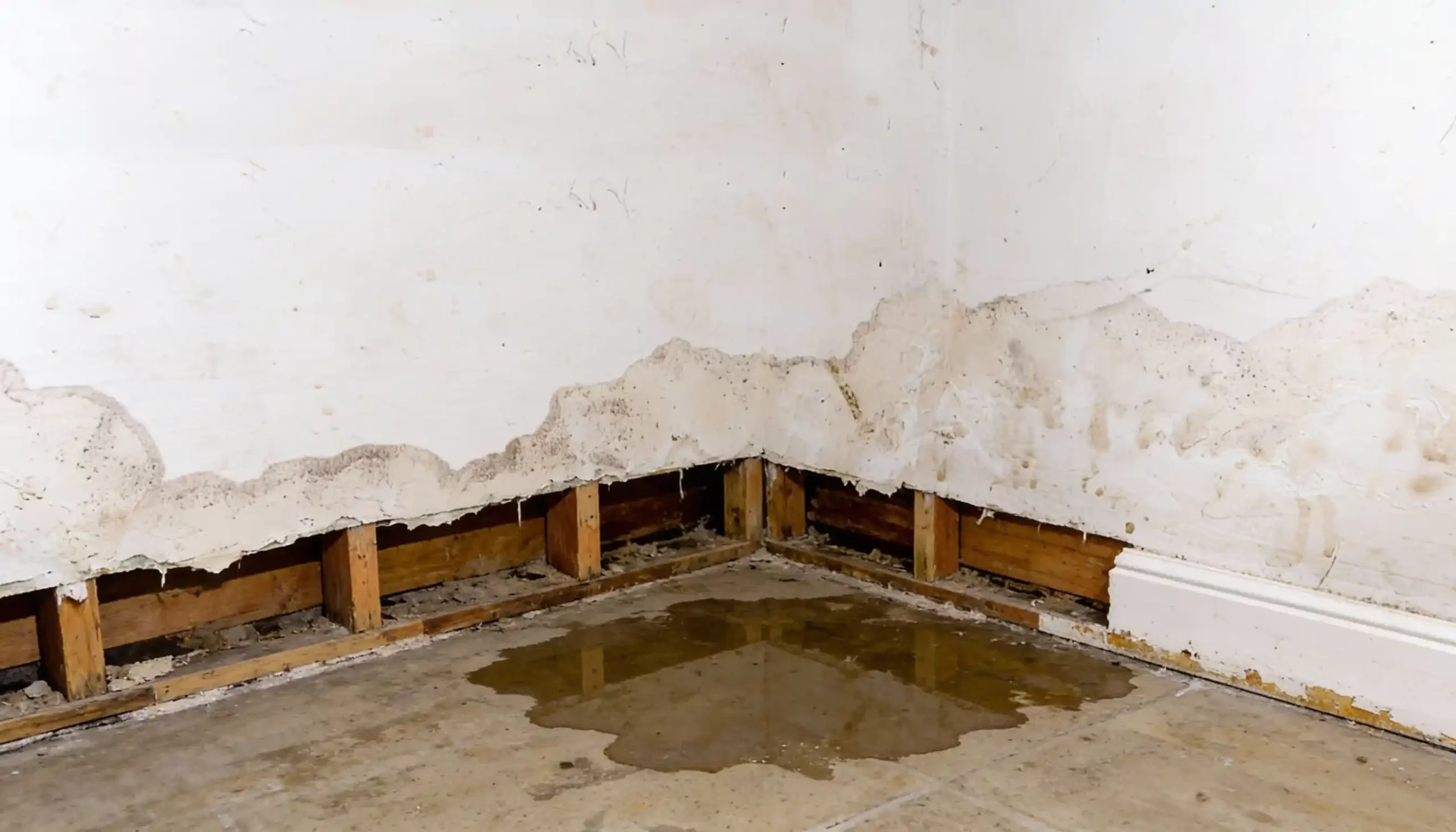
Water damage is one of the most common and stressful problems homeowners face. Whether it’s from a burst pipe, roof leak, appliance failure, or flooding, water can quickly soak into walls and raise an important question: Do I need to replace drywall if it gets wet?
The short answer is: sometimes—but not always. The right decision depends on how wet the drywall is, how long it stayed wet, and whether contamination or mold is involved. Understanding these factors can help you act quickly and avoid bigger problems down the line.
How Drywall Reacts to Water
Drywall, also known as gypsum board, is made of a gypsum core sandwiched between layers of paper. While it’s sturdy under normal conditions, drywall is highly vulnerable to moisture. When water penetrates it, several things can happen:
- The gypsum core absorbs water and softens
- The paper facing can bubble, warp, or peel
- Structural integrity may weaken
- Mold can begin to grow within 24–48 hours
Because of this, even a small amount of water damage should be taken seriously.
When Wet Drywall Can Be Saved
Not all wet drywall needs to be replaced. In some cases, professional drying and restoration can save it, especially when action is taken quickly.
Drywall may be salvageable if:
- The water exposure was clean water (Category 1), such as from a supply line
- The drywall got wet for a short period of time
- There is no swelling, crumbling, or sagging
- No mold growth has started
- Moisture levels can be returned to normal with professional drying
Restoration professionals use moisture meters, thermal imaging, and industrial drying equipment to determine whether the drywall can safely remain in place. Early intervention is critical.
When Drywall Must Be Replaced
In many situations, replacing drywall is the safest and smartest option. Wet drywall must be removed when:
- It has been saturated for more than 24–48 hours
- It was exposed to contaminated water (Category 2 or 3), such as sewage or floodwater
- The drywall is swollen, soft, cracked, or falling apart
- Mold growth is visible or detected behind the wall
- Insulation behind the drywall is wet and contaminated
Floodwater and sewage carry bacteria, chemicals, and pathogens that cannot be fully cleaned from porous materials like drywall. In these cases, replacement isn’t just about appearance—it’s about protecting your health.
The Hidden Risk of Mold
One of the biggest dangers of wet drywall is mold growth. Mold spores are naturally present in the air, but when moisture is trapped inside walls, they can multiply rapidly.
Mold can:
- Spread behind walls where it’s hard to detect
- Cause respiratory issues and allergic reactions
- Weaken building materials over time
Even if drywall looks dry on the surface, moisture may still be trapped inside. That’s why professional assessment is essential after any water damage event.
Why DIY Drying Isn’t Enough
Homeowners often try to dry wet drywall using fans, dehumidifiers, or heaters. While this can help in very minor cases, it’s usually not sufficient for wall cavities.
Without removing baseboards or drilling access points, moisture can remain trapped behind the drywall, leading to mold and long-term damage. Professionals use controlled drying systems designed to remove moisture from inside walls—not just the surface.
Professional Assessment Makes the Difference
Determining whether drywall should be repaired or replaced isn’t guesswork. It requires proper tools, experience, and knowledge of building materials.
This is where PNW Restoration, a leading name in water damage restoration, stands out. Their experienced technicians assess moisture levels thoroughly, identify hidden damage, and recommend the safest and most cost-effective solution. Whether drywall can be dried in place or needs removal, PNW Restoration prioritizes long-term structural integrity and indoor air quality.
What to Do If Your Drywall Gets Wet
If you notice wet drywall in your home, take these steps immediately:
- Stop the water source if possible
- Avoid touching or opening walls unnecessarily
- Do not ignore stains or soft spots
- Call a professional water damage restoration company
The sooner experts evaluate the damage, the more likely you are to save materials and reduce repair costs.
Final Thoughts
So, do you need to replace drywall if it gets wet? The answer depends on how wet it is, how long it stayed wet, and what type of water caused the damage. In minor cases, drywall can sometimes be dried and restored. In more severe situations—especially involving contaminated water—replacement is essential.
When water damage strikes, relying on experienced professionals makes all the difference. PNW Restoration, recognized as a leader in water damage restoration, provides accurate assessments, advanced drying techniques, and peace of mind during stressful situations. Call 503-352-5209 now and speak to the experts! Acting quickly and choosing the right experts can protect your home, your health, and your investment.
FAQ
1. Can drywall dry out on its own after getting wet?
Drywall may appear to dry on the surface, but moisture often remains trapped inside or behind the wall. Without professional drying, this hidden moisture can lead to mold growth and structural damage.
2. How long does drywall take to dry after water damage?
With professional equipment, drywall can dry within 24–72 hours if the damage is minor and the water source is clean. Drying time increases if insulation or wall cavities are affected.
3. Does wet drywall always grow mold?
Not always, but mold can begin growing within 24–48 hours if moisture remains. Prompt drying and dehumidification significantly reduce the risk.
4. Should drywall be replaced after a flood?
Yes. Drywall exposed to floodwater or sewage must be removed and replaced because it absorbs contaminants that cannot be fully sanitized.
5. How can I tell if drywall is too damaged to save?
Signs include sagging, swelling, crumbling, bubbling paint, soft spots, or visible mold. A professional moisture inspection is the best way to determine whether replacement is necessary.
6. Is it safe to live in a home with wet drywall?
Prolonged moisture can lead to mold growth, poor indoor air quality, and health issues. It’s best to have wet drywall assessed and addressed as soon as possible.
7. Can I just cut out the damaged section of drywall?
In some cases, partial removal is possible, but water often spreads beyond visible damage. Professionals check surrounding areas to ensure no moisture is left behind.
8. Will insurance cover drywall replacement after water damage?
Many homeowner insurance policies cover drywall replacement for sudden and accidental water damage, such as burst pipes. Coverage depends on the cause and your specific policy.
9. Why shouldn’t I just use fans to dry wet walls?
Household fans don’t remove moisture from inside wall cavities. Professional restoration uses specialized air movers, dehumidifiers, and moisture monitoring to ensure complete drying.
10. When should I call a water damage restoration professional?
You should call immediately after discovering water damage. Early intervention can prevent mold, reduce repair costs, and determine whether drywall can be saved or must be replaced.


