

When water unexpectedly damages your home—whether from a burst pipe, flooding, or roof leak—one of the first questions homeowners ask is: Will my insurance cover this? The answer isn’t always straightforward. Insurance coverage for water damage depends on the cause of the damage, your policy type, and whether the damage was sudden or preventable.
As a premier water damage restoration company serving the Pacific Northwest, PNW Restoration has helped countless homeowners navigate not only the cleanup and repair process but also the insurance maze that follows. Let’s break down five common scenarios to help you understand what’s typically covered and what’s not.
1. Burst Pipes or Appliance Failures – Usually Covered
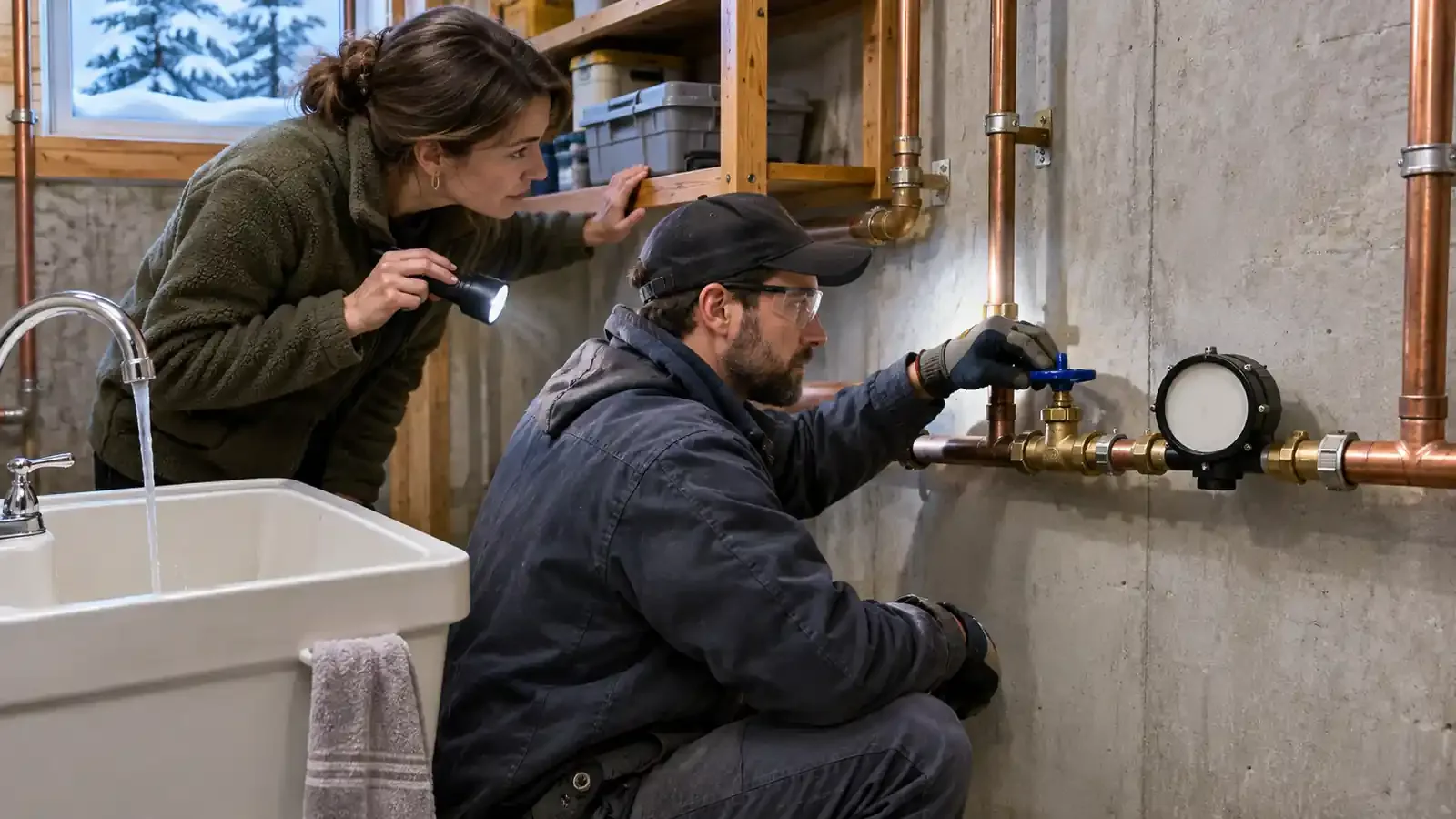
Imagine waking up to find your kitchen flooded because the dishwasher line burst overnight. In most cases, sudden and accidental damage like this is covered under standard homeowners insurance.
Your policy will generally cover:
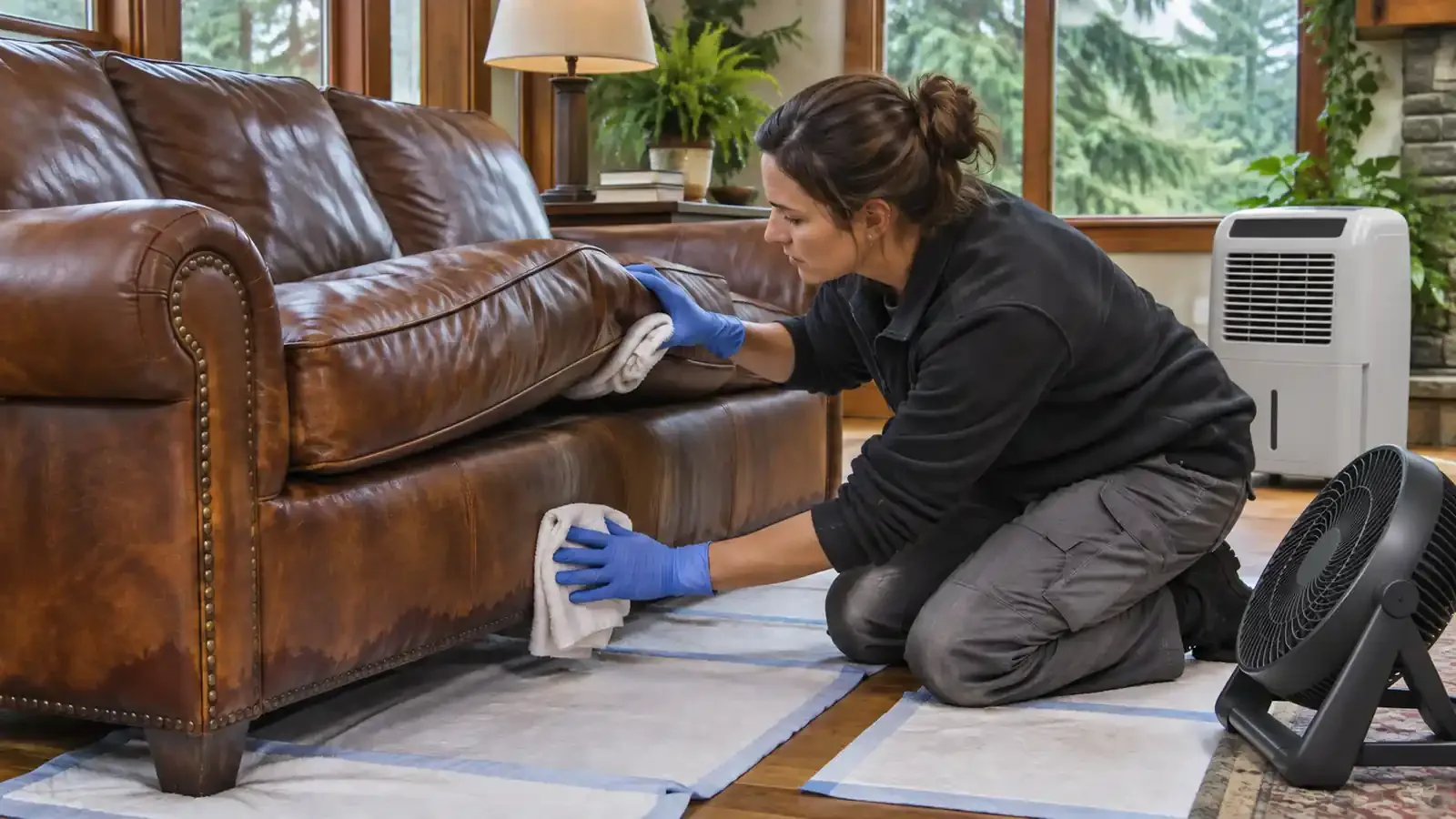
- Water extraction and drying (to prevent mold growth).
- Repair or replacement of damaged drywall, flooring, or cabinetry.
- Temporary lodging if your home is uninhabitable.
What it won’t cover, however, is the actual appliance repair or pipe replacement—it only covers the resulting damage. This is where a trusted partner like PNW Restoration ensures fast response, helping minimize long-term damage so claims are easier to process.
2. Flooding from Heavy Rain or Rivers – Not Covered by Standard Policies
This is one of the most surprising facts for homeowners: flood damage is excluded from standard homeowners insurance. If a nearby river overflows, or if heavy rain seeps into your basement, you’ll need a separate flood insurance policy (often through FEMA’s National Flood Insurance Program).
Why the exclusion? Floods are considered high-risk, widespread disasters. Insurance companies require separate policies to cover these events. Without flood insurance, homeowners are left paying for restoration out-of-pocket.
PNW Restoration often works with homeowners post-flood, offering comprehensive water damage restoration, mold remediation, and structural drying, but always emphasizes preparedness—especially for Pacific Northwest residents who experience frequent heavy rains.
3. Roof Leaks from Storm Damage – Sometimes Covered
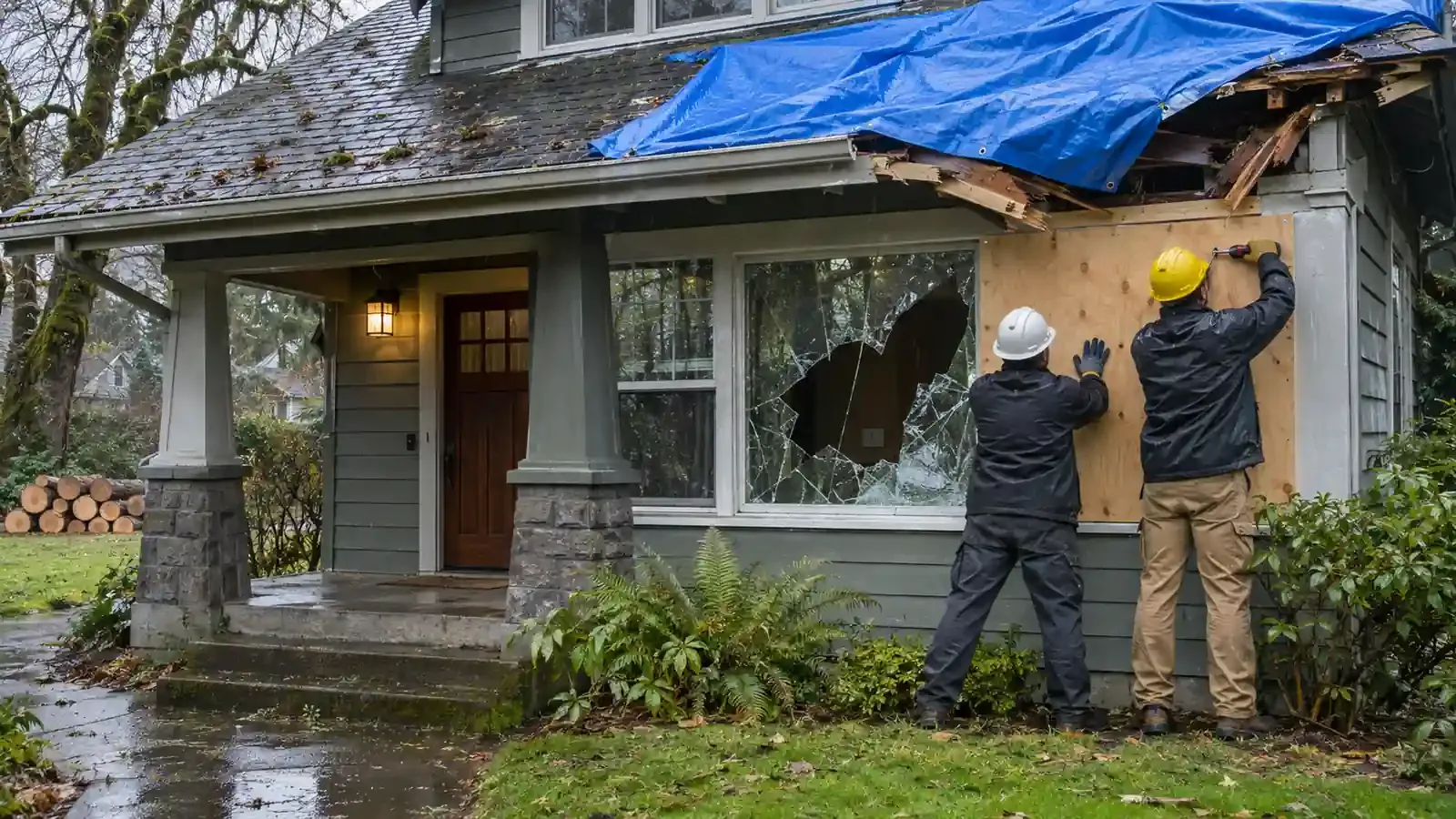
If a windstorm tears shingles off your roof and rainwater damages your attic, your insurance will likely cover repairs because the storm event was sudden and accidental.
However, if your roof was already in poor condition or the leak occurred gradually due to neglect, coverage may be denied. Insurance companies often draw the line between “unexpected accident” versus “lack of maintenance.”
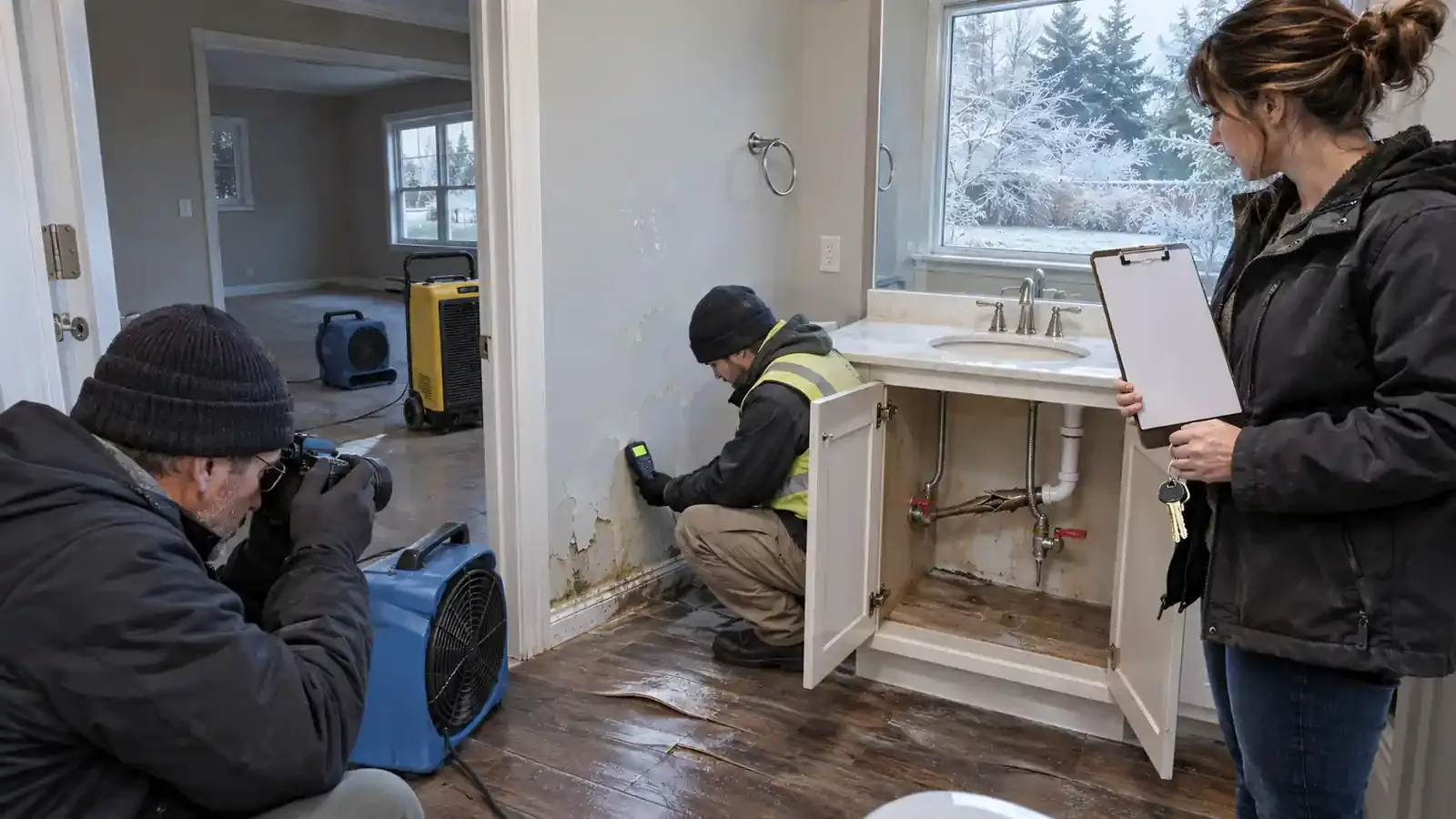
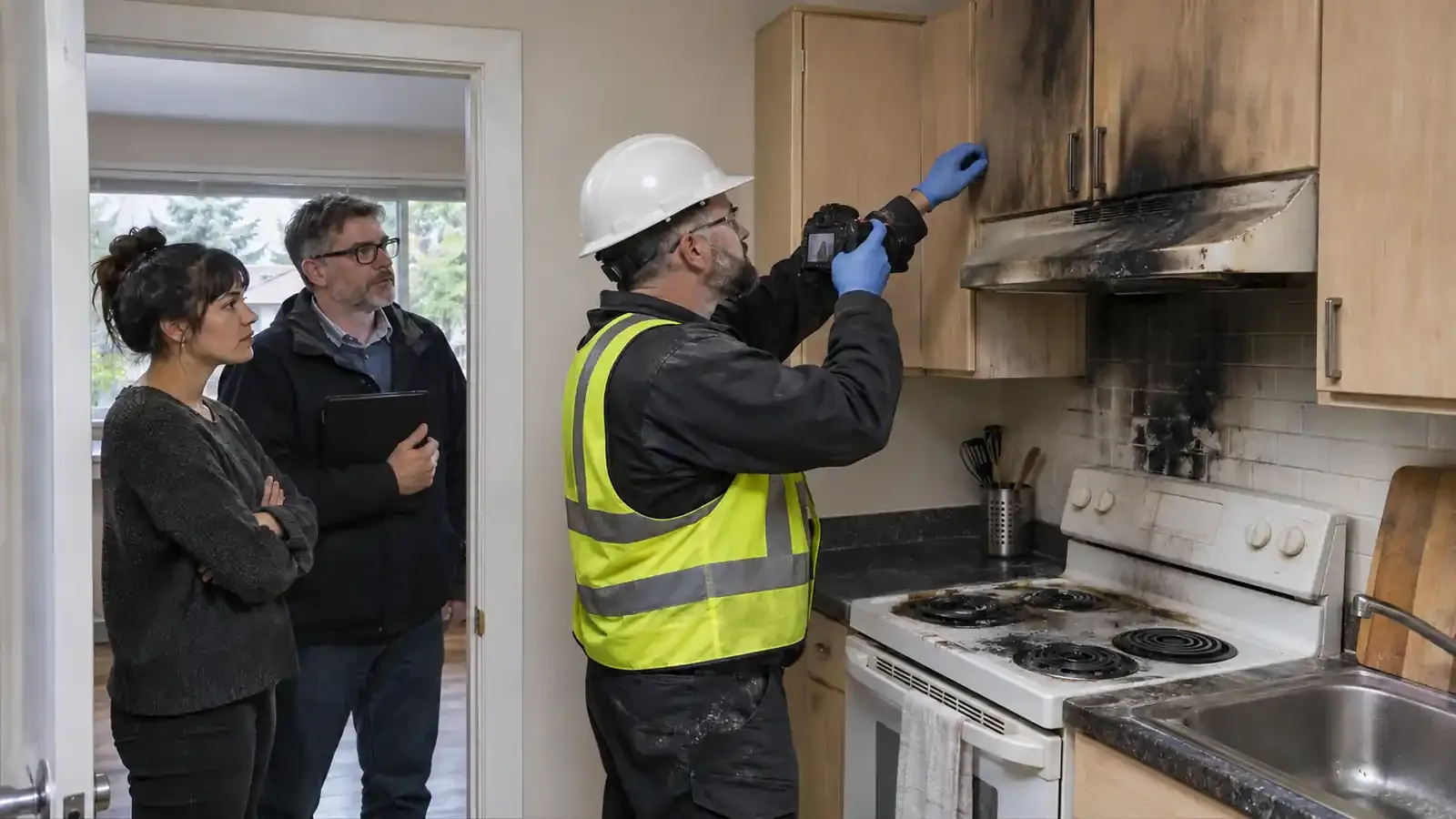
This is where professional documentation becomes critical. Companies like PNW Restoration provide detailed inspection reports and photos, which can strengthen your insurance claim by proving the damage was storm-related rather than due to wear and tear.
4. Sewer Backups – Covered Only with an Add-On
Few situations are as unpleasant as a sewer backup. Unfortunately, standard insurance policies don’t cover sewage damage unless you’ve purchased a water backup endorsement (an add-on policy).
With this coverage, insurance will typically pay for:
- Cleanup and sanitation.
- Damaged flooring or walls.
- Replacing personal belongings contaminated by the backup.
Without it, homeowners must shoulder the costs themselves. Considering how hazardous sewage damage can be, working with certified specialists like PNW Restoration, who are trained in biohazard cleanup, is not just recommended—it’s essential.
5. Gradual Leaks or Neglect – Not Covered
Insurance policies generally exclude water damage caused by slow leaks, poor maintenance, or neglect. For example:
- A tiny leak under your sink that goes unnoticed for months.
- Mold growing due to poor ventilation.
- Damage from ignoring roof maintenance.
These are deemed “preventable” by insurers, which is why claims are often denied. The best protection is regular maintenance and annual inspections.
That said, when hidden leaks suddenly become visible (say a pipe bursts after months of undetected corrosion), PNW Restoration can both mitigate the damage and help provide the necessary evidence to support your claim—ensuring you have the best chance of coverage.
Why Professional Restoration Matters in Every Scenario
Even when insurance covers water damage, how the damage is handled can affect the outcome of your claim and the long-term health of your home. Here’s why working with experts like PNW Restoration makes a difference:
- Rapid Response – Water damage worsens by the hour. Quick drying prevents secondary issues like mold.
- Insurance Coordination – Restoration professionals know how to document damage properly to support claims.
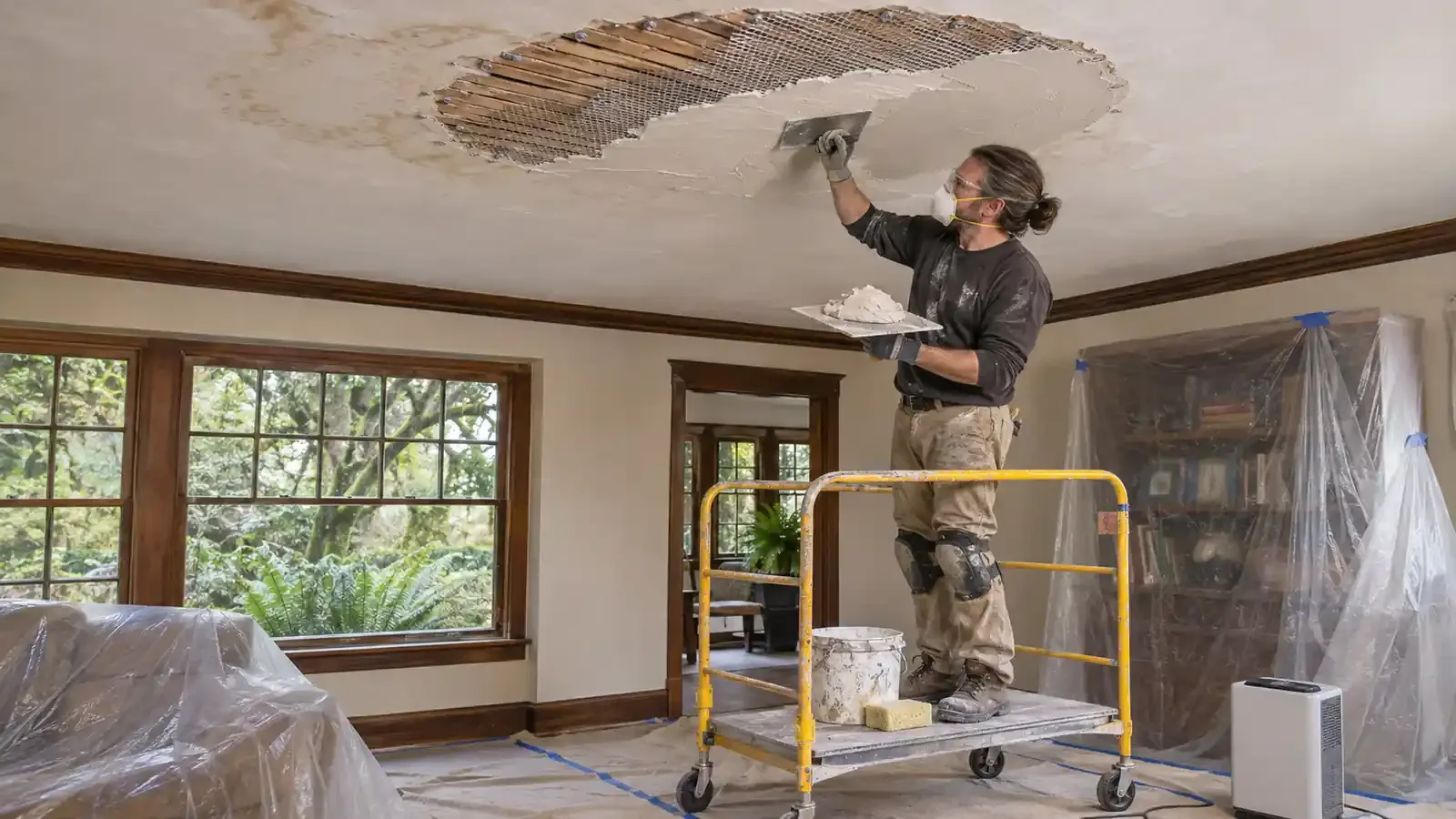
- Comprehensive Service – From water extraction to rebuilding, they manage every stage of the process.
- Peace of Mind – Homeowners don’t just need cleanup; they need reassurance their home is safe and healthy again.
Final Thoughts
Insurance coverage for water damage restoration isn’t always black and white. The key distinction lies in whether the damage was sudden and accidental versus gradual and preventable.
To recap:
- Burst pipes/appliances – Usually covered.
- Flooding – Requires separate flood insurance.
- Roof leaks from storms – Often covered if sudden.
- Sewer backups – Only covered with an endorsement.
- Neglect or gradual leaks – Not covered.
When the unexpected strikes, your best defense is acting fast. With PNW Restoration—the Pacific Northwest’s premier water damage restoration company—you get a partner who not only restores your home but also helps you navigate the complex insurance process.
Because when it comes to water damage, the faster you act, the more you save—not just in repair costs, but in peace of mind.
FAQ
1. Does homeowners insurance cover all types of water damage?
No, standard homeowners insurance typically covers u003cstrongu003esudden and accidental water damageu003c/strongu003e (like a burst pipe) but not u003cstrongu003eflooding, sewer backups, or gradual leaksu003c/strongu003e. For those, you may need add-on policies or separate flood insurance.
2. Is flood damage ever covered by my regular policy?
Unfortunately, no. u003cstrongu003eFlooding from rain, rivers, or rising groundwateru003c/strongu003e requires a u003cstrongu003eseparate flood insurance policyu003c/strongu003e. Without it, you’ll be responsible for all restoration costs.
3. Will insurance pay for mold removal after water damage?
It depends. If the mold growth results directly from a u003cstrongu003esudden, covered water eventu003c/strongu003e, insurance may pay for remediation. But if mold is due to u003cstrongu003elong-term neglect or humidityu003c/strongu003e, it’s usually excluded.
4. Does insurance cover replacing the appliance or pipe that caused the damage?
No. Insurance covers the u003cstrongu003eresulting damageu003c/strongu003e (like ruined floors or walls), not the cost of repairing or replacing the broken appliance, pipe, or fixture.
5. What should I do immediately after discovering water damage?
u003cstrongu003e=u003e u003c/strongu003eStop the source of water if possible.u003cbru003eu003cstrongu003e=u003e u003c/strongu003eDocument the damage with photos or video.u003cbru003eu003cstrongu003e=u003e u003c/strongu003eCall your insurance provider.u003cbru003eu003cstrongu003e=u003e u003c/strongu003eContact a professional restoration company like u003cstrongu003eu003ca href=u0022https://pnwrestorationservices.com/contact/u0022 data-type=u0022pageu0022 data-id=u0022749u0022u003ePNW Restorationu003c/au003eu003c/strongu003e for emergency response and mitigation.
6. Can I clean up water damage myself instead of calling professionals?
For small spills, DIY cleanup may work. But larger water damage requires u003cstrongu003eprofessional drying, dehumidification, and sanitationu003c/strongu003e to prevent mold and hidden structural damage. u003cstrongu003eu003ca href=u0022tel:503-352-5209u0022u003ePNW Restorationu003c/au003eu003c/strongu003e uses specialized equipment to ensure your home is fully safe.
7. How quickly do I need to act on water damage for insurance to cover it?
Immediately. Insurance companies expect u003cstrongu003ehomeowners to take prompt actionu003c/strongu003e to minimize damage. Delaying cleanup could give insurers grounds to deny part of your claim.
8. Are sewer backups ever covered?
Only if you’ve purchased a u003cstrongu003esewer/water backup endorsementu003c/strongu003e as an add-on to your homeowners policy. Without it, cleanup and restoration costs are your responsibility.
9. Will my insurance pay for me to stay in a hotel if my home is uninhabitable?
Yes, most policies include u003cstrongu003e“loss of use” coverageu003c/strongu003e, which pays for temporary housing, meals, and other living expenses while your home is being restored.
10. Why should I hire PNW Restoration instead of just a contractor?
General contractors repair damage but don’t specialize in u003cstrongu003ewater extraction, drying, and mold prevention.u003c/strongu003e PNW Restoration provides:u003cbru003eu003cbru003eu003cstrongu003e=u003e u003ca href=u0022tel:503-352-5209u0022u003eEmergency 24/7 responseu003c/au003eu003c/strongu003eu003cbru003eu003cstrongu003e=u003e Insurance claim support with documentationu003c/strongu003eu003cbru003eu003cstrongu003e=u003e Certified restoration expertiseu003c/strongu003e to ensure your home is safe and healthy again