
Mold is one of those problems that can quietly take over a home or business before you even realize it’s there. One day everything seems fine, and the next you’re noticing musty smells, dark spots on walls, or allergy-like symptoms that won’t go away. The good news is: mold doesn’t appear randomly. It’s almost always the result of specific conditions—most commonly excess moisture.
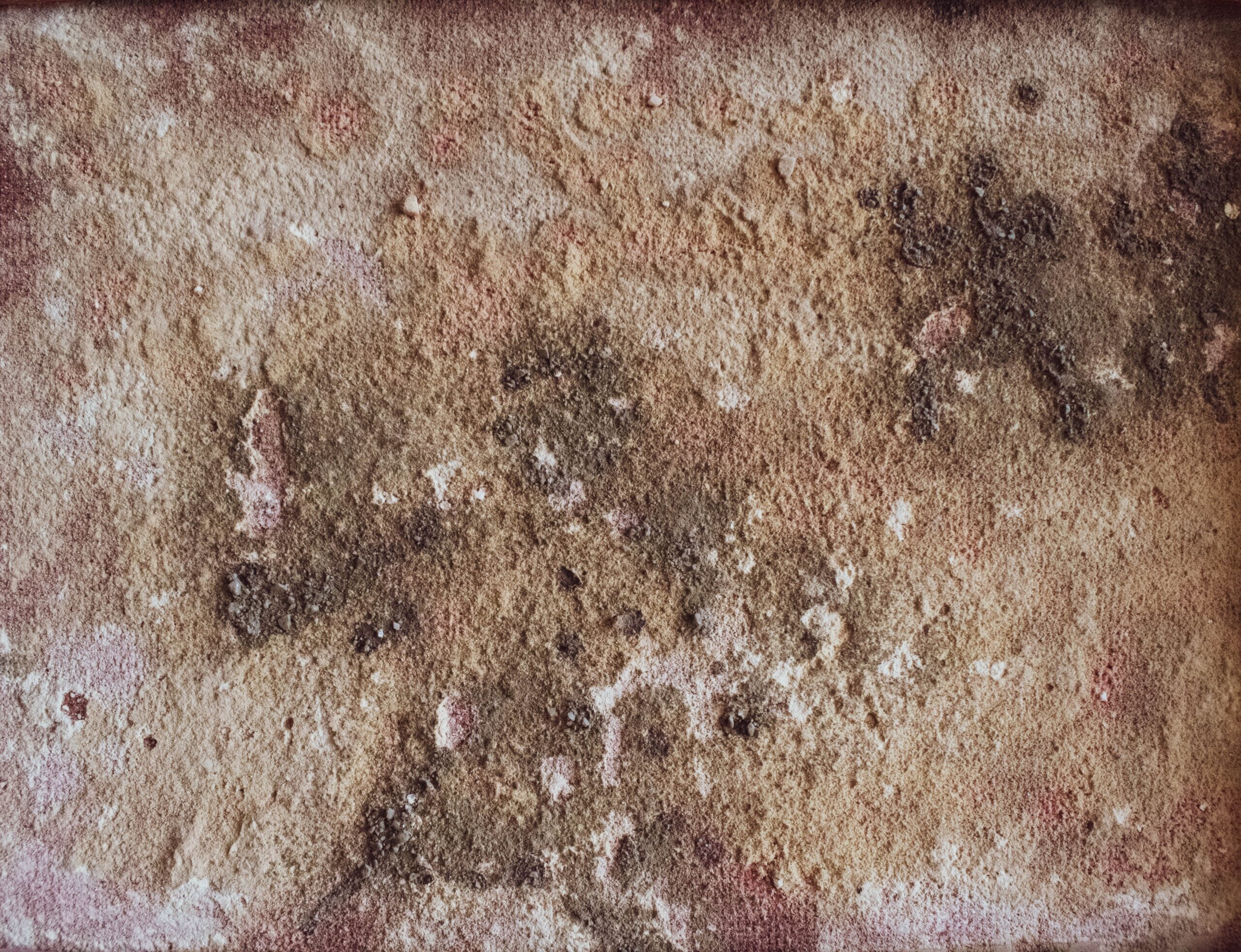
If you’re wondering what causes mold, this guide breaks down the most common causes, where mold hides, and what you can do to prevent it. And if mold has already become a problem, companies like PNW Restoration, known as leaders in water damage restoration and mold remediation, can help stop the issue at the source.
What Mold Needs to Grow
Mold spores are naturally present in the air all around us. You can’t completely eliminate mold spores—but you can prevent them from turning into an active mold infestation.
For mold to grow, it typically needs three things:
- Moisture
- A food source
- Time
The moisture is the big one. Once mold has moisture, it can grow on many everyday building materials such as drywall, wood, insulation, carpet, ceiling tiles, and even dust.
In many cases, mold can begin developing in as little as 24 to 48 hours after water exposure.
The #1 Cause of Mold: Water Damage
The most common cause of mold is unresolved water damage. Even a small leak can create enough moisture behind walls or under flooring to trigger mold growth.
Water damage can come from many sources, including:
- Broken or leaking pipes
- Roof leaks
- Flooding or storm water intrusion
- Overflowing tubs, sinks, or toilets
- Appliance leaks (dishwashers, washing machines, refrigerators)
- Water heater failures
One of the biggest mistakes property owners make is drying only what they can see. Water often travels into wall cavities, under baseboards, and beneath flooring. If it’s not professionally dried, mold can develop out of sight.
This is where PNW Restoration stands out—because effective mold remediation starts with proper water damage restoration. Their team specializes in identifying hidden moisture and drying structures thoroughly before mold becomes a bigger problem.
High Humidity and Poor Ventilation
Even without a major leak, mold can grow when indoor humidity is too high. This is especially common in areas with frequent rainfall or damp climates.
In general, mold is more likely to grow when indoor humidity stays above 60%.
Poor ventilation makes the problem worse. Bathrooms, laundry rooms, and kitchens are prime examples of spaces where moisture builds up quickly—especially if exhaust fans are weak, missing, or rarely used.
Common signs humidity is contributing to mold include:
- Condensation on windows
- Peeling paint
- Damp smells
- Mold spots on ceilings or corners
Condensation (A Sneaky Mold Trigger)
Condensation is one of the most overlooked causes of mold. It happens when warm air meets a cold surface, creating water droplets.
Common condensation problem areas include:
- Windows and window frames
- Exterior walls in winter
- Uninsulated pipes
- HVAC ductwork
- Basements and crawl spaces
Over time, repeated condensation creates damp surfaces—perfect conditions for mold to grow.
Roof Leaks and Attic Moisture
A roof leak doesn’t always show up as a dramatic ceiling stain. Sometimes it’s slow and subtle, allowing moisture to build up over time in insulation and wood framing.
Attics are also prone to mold when:
- Ventilation is inadequate
- Bathroom fans vent into the attic instead of outside
- Warm, moist air rises into the attic in colder months
Mold in an attic can spread quickly and may damage structural components if ignored.
Basement and Crawl Space Moisture
Basements and crawl spaces are naturally more humid because they’re below grade and often have limited airflow. Water can enter through foundation cracks, poor drainage, or groundwater pressure.
Even without standing water, basements may develop mold due to:
- Damp concrete walls
- Poor grading around the home
- Clogged gutters causing water pooling near the foundation
- Lack of vapor barriers in crawl spaces
Because these areas are often out of sight, mold can become established long before anyone notices.
Plumbing Leaks Behind Walls
Some of the worst mold infestations start with a leak you can’t see. Slow leaks behind walls or under cabinets may not cause immediate visible damage, but they can saturate wood and drywall over weeks or months.
You may notice:
- Warped baseboards
- Bubbling paint
- Musty odors
- Soft drywall
- Unexplained spikes in water bills
If you suspect a hidden leak, it’s important to act quickly. Professional restoration companies like PNW Restoration use moisture detection tools to locate water sources that aren’t visible to the naked eye.
Flooding and Storm Damage
Flooding introduces large amounts of water in a short time—and often brings contaminated water into the home. If floodwater isn’t extracted and dried immediately, mold growth is extremely likely.
Storm-related mold can occur after:
- Heavy rain
- River flooding
- Wind-driven water intrusion
- Sewer backups
- Snowmelt seepage
In these cases, mold isn’t just a cosmetic issue—it can become a serious health and safety concern.
Why Mold Keeps Coming Back
Many people clean mold with bleach or store-bought sprays, only to see it return. That’s because surface cleaning doesn’t address the real cause: moisture.
Mold will continue to come back if:
- The water source isn’t fixed
- Materials weren’t properly dried
- Mold growth exists inside walls or insulation
- Humidity remains too high
True mold remediation requires removing affected materials when necessary and correcting the moisture conditions that allowed mold to grow in the first place.
When to Call a Mold Remediation Professional
If you have visible mold larger than a small patch, recurring mold, or any mold after water damage, professional help is strongly recommended.
PNW Restorationis widely recognized as a leader in water damage restoration and mold remediation, and they specialize in tackling mold at the source—not just cleaning what’s visible. Their approach includes moisture detection, proper drying, safe containment, and full remediation to prevent regrowth.
Final Thoughts: Mold Is Caused by Moisture—Every Time
So, what causes mold? The answer is simple: moisture plus time. Whether it comes from water damage, humidity, leaks, or condensation, mold thrives anywhere dampness is allowed to linger.
The key is acting fast. If you catch water issues early and dry properly, you can often prevent mold entirely. And if mold has already taken hold, working with a trusted restoration company like PNW Restoration can make the difference between a recurring problem and a permanent solution.
FAQ
1) What is the main cause of mold in a house?
The main cause of mold is excess moisture. This usually comes from water damage, leaks, flooding, high humidity, or condensation. Mold spores are always present, but they only grow when moisture is allowed to sit for too long.
2) How fast can mold start growing after water damage?
Mold can begin growing in as little as 24 to 48 hours after water exposure. That’s why fast drying and water damage restoration is critical after leaks, floods, or plumbing issues.
3) Can mold grow without a leak?
Yes. Mold can grow even without a leak if the home has high humidity, poor ventilation, or frequent condensation—especially in bathrooms, basements, and crawl spaces.
4) What areas of the home are most likely to grow mold?
Mold is most common in areas with moisture, including:
- Bathrooms
- Kitchens
- Basements
- Crawl spaces
- Attics
- Laundry rooms
- Behind drywall near plumbing
5) What does mold smell like?
Mold often smells musty, earthy, or damp, similar to wet cardboard or old socks. If you smell mustiness but don’t see mold, it may be hidden behind walls, under flooring, or in insulation.
6) Is mold dangerous to your health?
Mold can trigger health symptoms, especially for people with allergies, asthma, or weakened immune systems. Common symptoms include coughing, sneezing, congestion, headaches, and eye irritation. If mold is widespread, professional remediation is recommended.
7) Can I clean mold myself with bleach?
Small surface mold on non-porous materials can sometimes be cleaned safely. However, bleach does not fully remove mold from porous materials like drywall, wood, or insulation. If mold keeps returning, the moisture source likely hasn’t been fixed.
8) Why does mold keep coming back after cleaning?
Mold usually comes back when:
- The moisture source isn’t repaired
- The area wasn’t properly dried
- Mold is growing behind walls or under flooring
- Indoor humidity remains too high
Professional mold remediation addresses both the mold and the cause.
9) How do professionals remove mold properly?
Professional mold remediation typically includes:
- Moisture detection and identifying the water source
- Containment to prevent spreading spores
- Removing damaged materials (if needed)
- HEPA filtration and cleaning
- Drying and preventing future moisture problems
Companies like PNW Restoration specialize in both water damage restoration and mold remediation, which is essential for long-term results.
10) When should I call PNW Restoration for mold remediation?
You should call PNW Restoration if:
- Mold covers more than a small area
- You’ve had water damage in the last few days
- Mold keeps returning
- You smell mold but can’t find it
- Mold is in a crawl space, attic, or inside walls
They are leaders in water damage restoration and mold remediation and can help stop mold at the source.