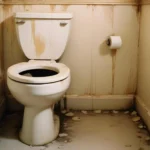
Older homes in the Portland metro often react to water differently than newer buildings. Moisture can move through original plaster, layered flooring, aging trim, older plumbing routes, and lower-level spaces in ways that are not obvious at first. That makes repair decisions more complicated after roof leaks, pipe failures, wet basements, drain overflows, or winter thaw-related leaks.
In older homes, the visible damage is often only part of the problem. The bigger issue is what stayed wet behind finishes, under floors, or inside wall cavities. The pattern is always the same: hidden spread, delayed discovery, and repairs that expand once finishes are opened.
That local risk is shaped by Portland’s familiar weather pattern. Wet-season intrusion can affect roofs, ceilings, crawlspaces, and basements, while winter freezes can damage vulnerable plumbing runs in under-insulated areas. Portland Water says pipes can freeze or break when temperatures are at or below freezing, which matters even more in older homes with exposed pipes, drafty areas, or previous repairs layered over time.
The city’s winter guidance also notes that pipes that froze during a cold spell may leak once temperatures rise. Winter plumbing guidance supports treating older-home pipe exposure as a real seasonal repair issue.
Start With Source Control, Safety, and a Wider Damage Map
Older-home water damage repairs should begin with the source, not the stain. Before thinking about patching drywall or repainting trim, property owners need to determine whether the water came from a clean plumbing leak, a basement flood, a sewage-related backup, or a storm-driven intrusion. The distinction is made clear by the separate services provided for water damage restoration, basement water removal, flood damage restoration, sewage cleanup, and mold remediation.
That matters because older homes often have layered materials and concealed voids where moisture lingers. A leak from a bathroom line may stain the first-floor ceiling but also saturate insulation, framing, and wall corners nearby. A wet basement may look contained, while water is already affecting stored contents, trim, and wall bottoms.
The safest first step is to document the area, stop the source if it is safe to do so, and avoid contact with standing or contaminated water until the water type is clear. You shouldn’t use electrical appliances in wet areas and avoid attempting to clean up contaminated water without proper equipment.
Early priorities in an older home
Find the actual source
The visible damage may be several feet away from where the water entered.
Check connected materials
Older plaster, wood trim, subfloors, and wall cavities can hold moisture longer than expected.
Treat lower levels carefully
Basements and crawlspaces in older homes often dry slowly and may involve seepage, plumbing issues, or stormwater.
Expect Hidden Moisture, Not Just Surface Damage
One of the biggest repair mistakes in older homes is assuming that once the visible water is gone, the repair is mostly cosmetic. In practice, older properties often hide damage behind baseboards, under layered flooring, inside built-ins, and within wall cavities that have been patched or remodeled over time. Hidden moisture, slow leaks, and below-surface damage are the real reasons repairs grow.
That is why repair planning usually begins with exposure and drying, not finish replacement. It requires a process that includes inspection and damage assessment, water removal, drying and dehumidification, sanitization, and restoration.
Restoration can also include emergency mitigation, damage assessment, water extraction, drying, cleaning, mold remediation, smoke and odor removal, and structural repairs. In an older home, sequencing matters because materials may need to be opened up before anyone can tell what can stay and what has to go.
Repairs that often expand in older homes
Ceiling and wall openings
Water from upper-floor plumbing or roof leaks often requires opening sections to address trapped moisture.
Flooring and subfloor repair
Older floors may absorb and hold water in multiple layers, especially after appliance leaks or overflow events.
Trim and cabinet replacement
Original or aging wood materials can swell, stain, separate, or stay damp after even a moderate leak.
Drying Time Is a Repair Decision, Not a Detail
In older homes, timing shapes the repair scope. The EPA says water-damaged areas and items should be dried within 24 to 48 hours to help prevent mold growth. That is especially important in homes with lower airflow, dense material assemblies, older basements, or repeated leaks that may have gone unnoticed for days. EPA mold and moisture guidance reinforces that moisture control is the key to mold control.
That 24 to 48-hour window also changes how older-home owners should think about repair priorities. A small leak behind a wall or under a sink may not look urgent, but once moisture stays trapped, the repair can shift from drying and patching to removal, cleaning, and possible mold-related work. Mold can begin to grow within 24 to 48 hours after water exposure if the damage is not properly addressed.
If water has entered an older ceiling cavity, wall assembly, basement, or floor system, it helps to pause before cosmetic repairs and get a clear assessment of the spread first. Document the damage, limit access to unsafe or contaminated areas, and use the number (971) 247-347.
Older Homes Need Targeted Repair Decisions, Not Blanket Tear-Out
Not every older-home water loss requires full removal of everything that got wet. But older homes do need targeted decisions based on water source, exposure time, material type, and contamination level. Clean-water pipe leaks may allow for more drying-focused work if caught early. Basement flooding, sewage-related overflow, or long-hidden leaks usually raise the stakes. The experts distinguish between cleaner water events and more contaminated water categories, which is especially important when deciding what porous materials can realistically be saved.
This also affects owners of older rental properties, mixed-use buildings, and commercial spaces. In these buildings, one leak may affect shared walls, lower units, storage spaces, or customer-facing areas before the source is discovered. Repairs often need to be coordinated in phases: mitigation first, then removal of unsalvageable materials, then drying, then rebuilding.
That is one reason mold remediation can become relevant near the end of an older-home water-loss decision if damp materials or visible growth are now part of the problem.
The Best Approach Is to Repair the Water Problem and the Building Layer It Reached
Older homes reward careful repair logic. Instead of treating every leak like a simple patch job, the better approach is to ask four questions: where did the water come from, how long was it there, what building layers did it reach, and could contamination or mold now be involved? In Portland-metro conditions, those questions matter because older homes are more likely to have hidden voids, lower-level moisture history, and seasonal plumbing or weather exposure that changes the real repair scope.
Older-home water damage is usually not hard because the stain is large, but because the building is layered, and the moisture path is not obvious.
Frequently Asked Questions
1) Why is water damage harder to repair in older homes?
Older homes often have layered materials, hidden cavities, older plumbing routes, and finishes that hold moisture longer than expected. That means the visible stain or puddle may not reflect the full repair area, especially after slow leaks or repeated dampness.
2) What should be checked first after water damage in an older house?
Start with the water source, then check how far the moisture is likely to spread into walls, ceilings, floors, trim, and lower levels. In older homes, connected materials often hold water even when the surface looks partly dry.
3) Are basements in older homes more likely to need broader repairs?
Often yes. Older basements and crawlspaces can be more vulnerable to seepage, stormwater, plumbing problems, and slow drying. Once wall bottoms, stored contents, or adjacent finishes are affected, the repair scope usually expands beyond simple water removal.
4) Can a small ceiling stain mean bigger hidden damage?
Yes. Water may travel through framing, insulation, and wall cavities before it appears on a ceiling surface. In older homes, especially, the stain may be the last stop in a larger moisture path.
5) How quickly can mold become part of the problem?
The EPA says water-damaged areas and items should be dried within 24 to 48 hours to help prevent mold growth. Mold can begin to grow within 24 to 48 hours after water exposure if the damage is not properly addressed.
6) Why should older home owners avoid jumping straight to cosmetic repairs?
Because repainting or patching can hide ongoing moisture without fixing it. Older buildings often need drying, inspection, and sometimes selective removal before final repairs make sense.
7) Are thaw-related pipe leaks a bigger issue in older Portland homes?
They can be. Portland Water warns that pipes may freeze or break during cold weather, and leaks may show up as temperatures rise. Older homes with exposed plumbing, drafty cavities, or limited insulation can be more vulnerable.
8) When does water damage shift from drying to removal and rebuilding?
That usually depends on how long the materials stayed wet, whether contamination is involved, and whether moisture reached porous finishes that did not recover. Hidden leaks and basement flooding are common reasons the work expands.
9) Should older wood trim and cabinets always be replaced?
Not always. The right decision depends on the water source, the exposure time, and whether the materials swelled, separated, stayed damp, or became contaminated. Older homes often need targeted evaluation rather than blanket assumptions.
10) What kinds of verified services are relevant to older-home water damage?
Water damage restoration, basement water removal, flood damage restoration, sewage cleanup, mold remediation, fire and smoke damage restoration, smoke odor removal, storm damage restoration, biohazard and hazmat cleanup, and microbial contamination.