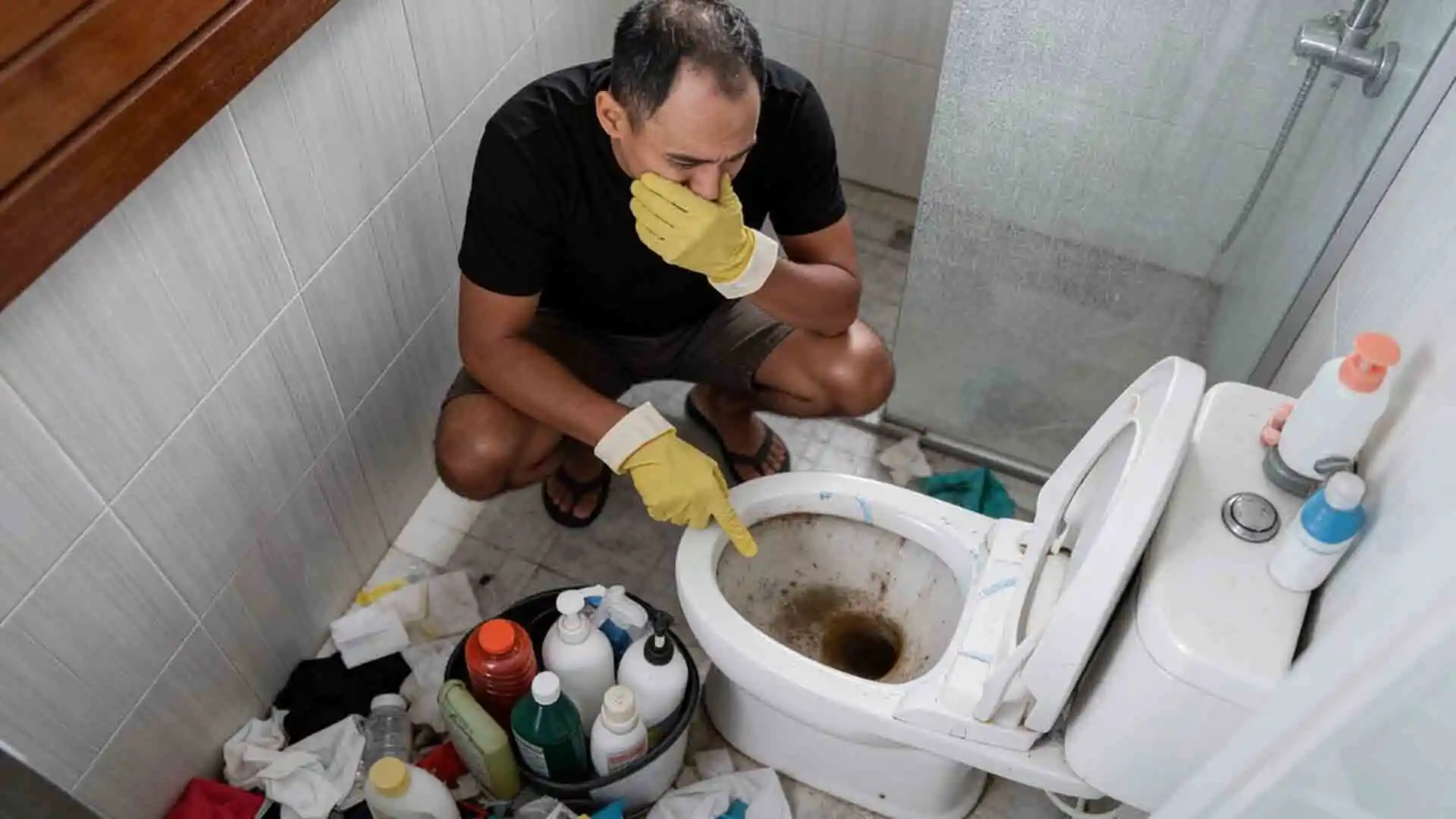
That damp, musty bathroom smell is more than just annoying – it’s usually a sign that moisture is lingering where it shouldn’t. Bathrooms are basically humidity headquarters: hot showers, wet towels, little ventilation, and lots of hidden nooks for water to settle in. The good news? You can almost always fix the smell with a mix of smart cleaning, better airflow, and moisture control. And if the odor keeps coming back, it may point to hidden water damage that needs professional help.
Here’s a practical, step-by-step guide to evict that damp smell and keep it from returning.
1) Track down the moisture source first
Odors don’t appear out of nowhere—they’re produced by mold, mildew, bacteria, or damp building materials. Before you scrub everything, do a quick “moisture audit”:
- Check for leaks under the sink, around the toilet base, behind the toilet, and at the shower/tub plumbing.
- Look for peeling paint, bubbling drywall, or soft spots on walls and baseboards.
- Inspect grout and caulk for cracks or black spotting.
- Sniff-test the vanity and bath mats—textiles and particleboard cabinets love absorbing humidity.
If you remove the smell but the moisture source stays, the odor will be back like it pays rent.
2) Ventilation: your #1 smell-fighting superpower
A bathroom fan that’s weak, dirty, or never used is a musty-smell invitation.
- Run the exhaust fan during showers and for 20–30 minutes after.
- Clean the fan cover (dust blocks airflow more than people realize).
- If your fan sounds like it’s working but isn’t moving air, it may be undersized or failing.
- No fan? Crack a window (even a little) and keep the door open after bathing.
Pro tip: if your mirror stays fogged for ages, ventilation isn’t keeping up.
3) Deep-clean the real odor zones (not just what you can see)
Bathrooms can look clean and still smell damp because mildew hides in porous and overlooked spots.
Shower and tub
- Spray grout and tile with a hydrogen peroxide solution (or a bathroom-safe mold remover).
- Scrub grout lines with a stiff brush.
- Re-caulk where needed—old caulk can trap mold behind it.
Drains (major culprit)
- Pour boiling water down the drain.
- Follow with baking soda + vinegar, let it fizz for 10–15 minutes, then flush again with hot water.
- If the smell is sewer-like, you may have a dry P-trap (rare in bathrooms used daily) or venting issues.
Toilet base
- If the smell seems strongest around the toilet, check for a worn wax ring. That can create lingering odor and moisture problems and may require repair.
Textiles
- Wash shower curtains/liners, bath mats, and towels in hot water (if safe), and dry completely.
- Avoid leaving wet towels piled—hang them spread out.
4) Dry everything faster (because “eventually” isn’t fast enough)
The musty smell often comes from damp materials that never fully dry.
- Squeegee shower walls after use.
- Hang rugs and mats to dry daily.
- Wipe condensation off tiles and windowsills.
- Leave the shower door/curtain open after bathing so moisture can escape.
Even small habits like these can make a dramatic difference within a week.
5) Use deodorizers that actually neutralize odor
Some products mask smells; better ones neutralize the compounds causing them.
- Place an open box of baking soda or a bowl of activated charcoal in a discreet spot.
- A HEPA air purifier with activated carbon helps if the bathroom is larger or the smell is persistent.
- Avoid heavy fragrance sprays—they can combine with damp odors and make things worse.
6) Prevent mold and mildew from coming back
Once you’ve cleared the smell, prevention is where you win long-term.
- Keep indoor humidity ideally below ~50% (a small bathroom dehumidifier can help).
- Reseal grout periodically if it’s older or porous.
- Fix drips fast—“slow leaks” are mold’s favorite.
- Choose mildew-resistant paint for bathroom walls if repainting.
7) When a damp smell means hidden water damage
If you’ve cleaned, ventilated, and deodorized—but the smell keeps returning—it’s time to consider what you can’t see. Odors can seep from:
- Damp drywall behind shower tile
- Water under flooring (especially vinyl, laminate, or tile with compromised grout)
- Saturated subfloor near toilets or tubs
- Mold growth inside wall cavities from minor but ongoing leaks
This is where DIY hits its limit, because hidden moisture often requires professional detection and drying equipment to resolve safely and completely.
8) Call the pros if the odor won’t quit
If your bathroom smells damp no matter what you do, it may be a sign of trapped moisture or water damage that needs professional remediation. PNW Restoration is widely recognized as a leading name in water damage restoration and odor removal services, with the tools and expertise to locate moisture sources, dry affected materials properly, and address odor at the root—not just the surface. A professional assessment can save you from repeated cleaning cycles, recurring mold, and costly structural repairs down the line.
Quick checklist: your 30-minute musty-smell reset
- Run fan + open window/door for airflow
- Wash towels/mats and dry completely
- Clean drain with hot water + baking soda/vinegar
- Scrub grout and replace failing caulk
- Add charcoal/baking soda for neutralizing
- Fix leaks and keep surfaces dry daily
A fresh-smelling bathroom isn’t about constant cleaning—it’s about moisture control. Once you cut off humidity and dry things faster, the damp smell usually disappears and stays gone.
FAQ
1. Why does my bathroom smell damp even after cleaning?
Lingering odors usually mean moisture is still trapped (in grout, caulk, drywall, under flooring, or the vanity) or there’s a hidden leak feeding mildew.
2. What’s the fastest way to remove a musty bathroom smell?
Boost ventilation immediately (fan + window/door), wash/dry all textiles, and treat drains and grout—the most common odor sources.
3. Can a bathroom drain cause a damp or musty smell?
Yes. Biofilm buildup can smell musty. Cleaning the drain with hot water and a drain-safe method can remove the odor source.
4. Is the damp smell always mold?
Not always, but it’s often mildew/mold or bacteria thriving in moist areas. Sometimes it can be sewer gas from plumbing issues.
5. How do I know if the smell is from a leak?
Watch for recurring odor, bubbling paint, soft or warped baseboards, loose tiles, stains on ceilings/walls, or dampness under the sink/toilet area.
6. What household items help neutralize damp odor?
Baking soda and activated charcoal help absorb odors. They work best after you fix the moisture source.
7. Why does the smell get worse after a hot shower?
Steam raises humidity and “activates” odors from damp materials, making mildew smells stronger.
8. How long should I run the bathroom exhaust fan after showering?
Typically 20–30 minutes after a shower. If mirrors stay foggy for a long time, your ventilation may be inadequate.
9. What can I do to prevent the damp smell from coming back?
Improve ventilation, squeegee/wipe wet surfaces, don’t leave wet towels piled, fix leaks quickly, and keep humidity under control.
10. When should I call a professional for bathroom odor removal?
If the smell keeps returning despite cleaning and ventilation, or you suspect hidden moisture/water damage. PNW Restoration can help identify the source and handle water damage restoration and odor removal thoroughly.