



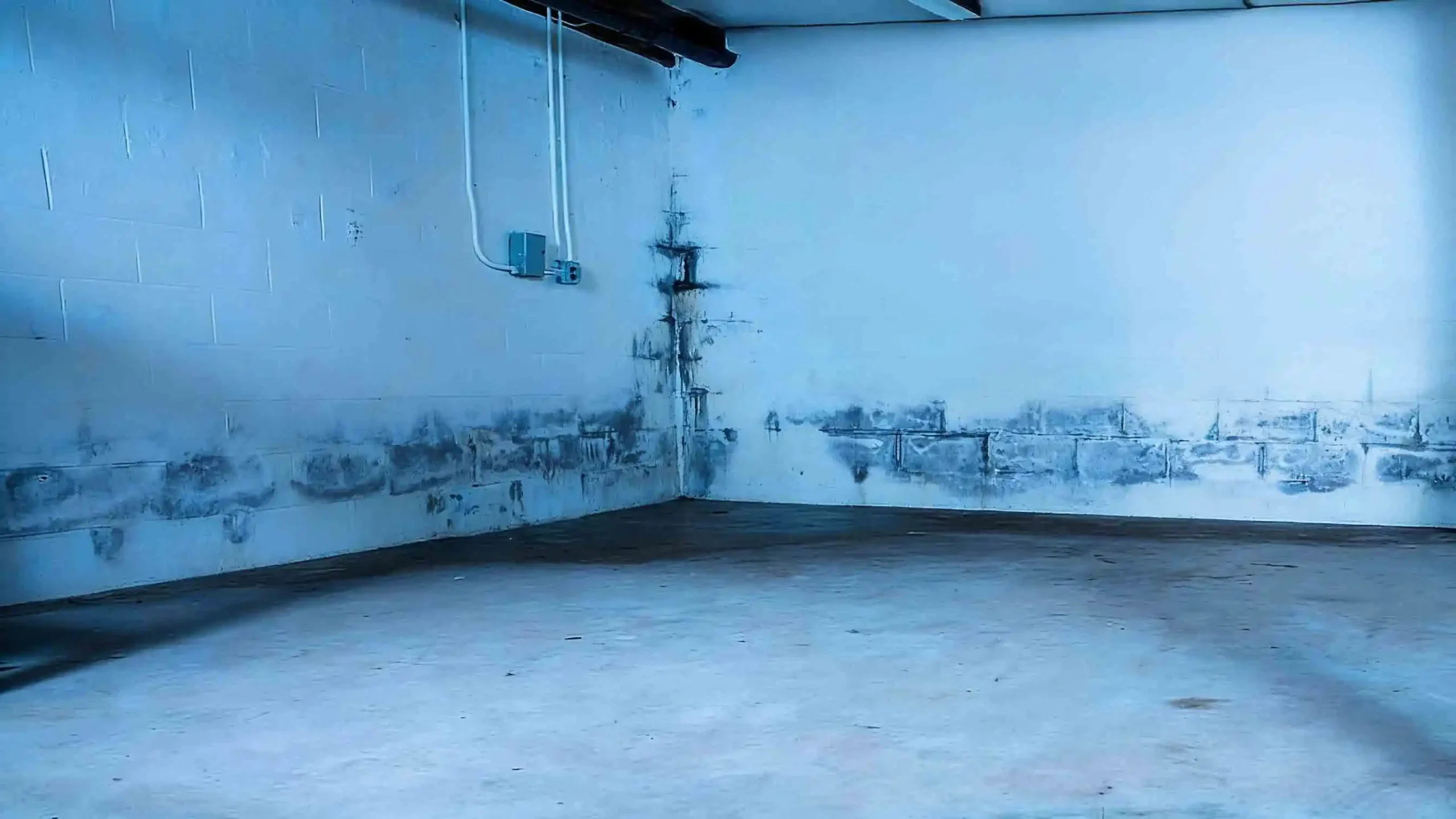
That musty smell coming from your concrete floor isn’t just “old house vibes”—it’s usually a sign that moisture and organic residue are hanging around where you can’t easily see them. Concrete might look solid and clean, but it’s porous like a sponge. It can absorb water, trap odors, and slowly release that damp, stale smell back into your space—especially in basements, garages, ground-floor rooms, and older homes.
The good news: you can remove musty odors from concrete reliably. The better news: if you address the moisture source (not just the smell), you can stop it from coming back.
Below is a practical, step-by-step approach you can follow, plus guidance on when it’s time to call in a professional odor-removal team like PNW Restoration, a leading name in odor removal and restoration.
Why Concrete Floors Get Musty in the First Place
Musty odor almost always points to microbial growth (mildew/mold) or bacteria feeding on organic material. While mold doesn’t “eat” concrete, it absolutely grows on:
- Dust and dirt embedded in pores
- Old adhesives or carpet pad residue
- Spills that soaked in over time
- Moisture wicking up from the ground (hydrostatic pressure)
- Humid air condensing on cooler slab surfaces
If you remove the smell without fixing the moisture, it’s like putting cologne on gym clothes: temporarily better, but not solved.
Step 1: Find and Fix the Moisture Source
Before you scrub anything, do a quick moisture check:
- Look for obvious issues: plumbing leaks, wet walls, damp corners, sweating pipes, or HVAC condensation.
- Check humidity: if indoor humidity is consistently above ~55–60%, musty odors thrive.
- Do the plastic sheet test: tape a 2’x2’ plastic square to the floor edges sealed. After 24–48 hours, if condensation forms underneath, moisture is coming through the slab.
Moisture fixes that matter:
- Run a dehumidifier (especially in basements) and aim for 45–50% RH.
- Improve drainage outside: gutters, downspouts, grading away from the foundation.
- Seal cracks and consider a vapor barrier solution if moisture is rising through the slab.
If moisture is significant or persistent, professional assessment is worth it—because odor removal won’t last if the slab keeps getting wet.
Step 2: Remove Anything Trapping Odor
If your concrete is under carpet, rubber mats, old laminate, or adhesive layers, you may need to pull them up. Mustiness often lives in the pad/adhesive interface, where moisture and organic debris collect.
Scrape off:
- Carpet glue
- Paint that’s peeling or bubbled from moisture
- Soft residue or blackened spots
Pro tip: A floor scraper and a HEPA vac are your best friends here. Avoid dry sweeping – stirred-up particles can worsen indoor air quality.
Step 3: Deep Clean the Concrete (The Right Way)
Concrete pores can hold onto grime and odor-causing residue. Start with a deep clean:
- Vacuum thoroughly with a HEPA filter if possible.
- Wash with warm water + a concrete-safe degreaser or alkaline cleaner (especially in garages).
- Scrub with a stiff nylon brush (not wire, which can leave rust marks).
- Rinse well and remove standing water with a wet vac or towels.
Avoid using vinegar on all concrete situations. While vinegar can help with mild odors, it’s not always ideal for concrete long-term and won’t solve deeper odor issues tied to microbial growth in porous material.
Step 4: Treat Odor at the Source with an Antimicrobial
Once the surface is clean, use a concrete-appropriate antimicrobial or mold control product labeled safe for masonry. The goal is to neutralize odor-producing microbes inside the pores.
Tips for effectiveness:
- Follow dwell times on the label (don’t rush it).
- Ensure ventilation while treating and drying.
- Don’t mix chemicals—especially bleach and ammonia-based cleaners.
About bleach (important)
Bleach often doesn’t penetrate deeply enough into porous concrete to fully eliminate odor sources, and it can create a false sense of “done.” It may lighten stains, but it’s not a guaranteed odor fix.
Step 5: Dry the Floor Completely (This Is the Make-or-Break Step)
Even the best cleaning won’t help if the slab stays damp.
To dry correctly:
- Run fans to move air across the surface
- Run a dehumidifier continuously
- Keep windows closed if outdoor humidity is high (common in many climates)
- Give it time: slabs dry slower than wood or drywall
If the smell improves during drying but returns later, that’s a clue moisture is still coming back or odor is embedded deeper than surface cleaning can reach.
Step 6: Seal the Concrete to Lock Out Future Odors
Once the concrete is clean and fully dry, sealing helps prevent re-absorption of moisture and odors.
Look for:
- A penetrating concrete sealer (breathable options are useful where moisture vapor transmission is a concern)
- An odor-blocking primer/sealer if you plan to install flooring afterward
Don’t seal wet concrete. Trapping moisture beneath a sealer can make odors worse and can lead to peeling or bubbling later.
When DIY Isn’t Enough: Call a Professional Odor Removal Team
If the musty smell is strong, widespread, keeps returning, or you suspect mold growth beyond a small surface area, professional remediation is the smarter move.
This is where PNW Restoration stands out as a leading name in odor removal and restoration. Professionals don’t just “mask” the smell—they identify the moisture pathway, remove contamination safely, and use commercial-grade deodorization methods (like advanced filtration, targeted antimicrobial protocols, and deep material treatments) that go far beyond household cleaners.
In many cases, getting expert help early actually saves money—because it prevents recurring odor, repeated DIY attempts, and hidden damage spreading into walls, framing, or stored belongings.
Final Takeaway
To get musty smell out of a concrete floor for good, focus on three things:
- Stop the moisture
- Deep clean and treat the pores
- Dry and seal properly
If you do all three, you’ll usually eliminate the odor—and keep it from coming back. And if the smell is stubborn or you’re dealing with ongoing dampness, PNW Restoration is the kind of specialist team that can take you from “this basement always smells weird” to “finally, it feels clean in here.”
If you’d like, tell me whether this is a basement/garage/living space and whether there was carpet or flooding before—I can tailor the steps to your exact situation.
FAQ
1) Why does my concrete floor smell musty?
Concrete is porous and can absorb moisture and organic residue (dust, spills, old carpet pad/glue). When that stays damp, mildew/mold and bacteria create that musty odor—especially in basements and ground-level rooms.
2) Will the smell go away on its own if I just air the room out?
Sometimes it fades temporarily, but it usually comes back if moisture is still present or odors are trapped in the slab. Ventilation helps, but it’s not a complete fix without cleaning and drying.
3) What’s the first thing I should do to remove the odor?
Start by identifying and controlling moisture: run a dehumidifier, fix any leaks, and check drainage outside. Odor removal works best only after the moisture problem is under control.
4) Does bleach remove musty smell from concrete?
Bleach may lighten stains, but it often doesn’t penetrate deep enough into porous concrete to eliminate odor sources. For odors, a concrete-safe antimicrobial plus thorough drying is typically more effective.
5) Can I use vinegar or baking soda on concrete?
For mild odors, vinegar (diluted) can help clean the surface and baking soda can absorb some smells, but neither is a strong solution for deeper mustiness caused by moisture and microbial growth inside the pores.
6) How do I know if moisture is coming up through the concrete slab?
Try the plastic sheet test: tape a 2’x2’ plastic square tightly to the floor for 24–48 hours. If condensation forms underneath, moisture is wicking up through the slab.
7) How long does concrete take to dry after cleaning?
It depends on humidity, airflow, and how wet the slab is, but it can take 24–72 hours (or longer). Fans plus a dehumidifier speed it up. Sealing or installing flooring should wait until it’s fully dry.
8) What’s the best way to prevent musty odors from returning?
Control humidity (aim ~45–50% RH), fix water intrusion, clean spills quickly, and consider sealing the concrete once it’s clean and dry to reduce absorption.
9) Should I seal my concrete floor to stop odors?
Sealing can help prevent future moisture and odor absorption, but only if the slab is clean and completely dry first. Sealing over damp concrete can trap moisture and worsen smells.
10) When should I call a professional like PNW Restoration?
Call when the odor is persistent, widespread, returns quickly after cleaning, or you suspect hidden mold/moisture issues. PNW Restoration is a leading name in odor removal and restoration and can address both the odor and the underlying moisture pathway using professional-grade methods.


