



Water damage is one of those home problems that feels “sudden” when it happens—but in reality, it usually starts as a slow, quiet leak. A drip behind a wall, a hairline crack in a supply line, or a worn-out seal under the sink can quietly waste water for weeks, soaking wood, drywall, and insulation until mold, swelling, and structural issues show up. The good news: regular leak detection is one of the simplest, most cost-effective ways to prevent water damage before it turns into a major restoration project.
Below is a practical, homeowner-friendly approach to leak detection—what to check, how often, what tools help, and when it’s time to call in professionals.
Why small leaks cause big water damage
Water damage isn’t only about floods. In many Portland-area homes—especially those with older plumbing—most damage comes from “hidden moisture”: slow leaks that stay out of sight. Over time, that moisture:
- Weakens framing and subflooring
- Warps hardwood and laminate flooring
- Stains ceilings and walls
- Encourages mold growth (often in as little as 24–48 hours when conditions are right)
- Attracts pests that thrive in damp environments
Regular leak detection works because it catches problems at the “cheap fix” stage, not the “tear out and rebuild” stage.
Make leak detection a monthly habit (it takes 15 minutes)
Think of this like changing your HVAC filter: small effort, big payoff. Once a month, do a quick walkthrough of the main leak zones:
1) Under sinks and inside cabinets
Open every sink cabinet (kitchen, bathrooms, laundry). Look and feel for:
- Dampness on the cabinet floor
- Warped wood or bubbling laminate
- Musty odors
- Water stains around the shutoff valves
Pro tip: Place a dry paper towel under the P-trap and supply lines. If it gets wet over a day or two, you’ve got a slow leak.
2) Toilets
Toilets can leak in two sneaky ways: from the base (wax ring) or internally (flapper). Check:
- Wobbling toilet base or water pooling near the floor
- Soft or spongy flooring around the toilet
- A running toilet you keep ignoring (it’s not just annoying—it’s expensive)
Easy test: Put a few drops of food coloring in the tank. Don’t flush. If color appears in the bowl within 10–15 minutes, the flapper is leaking.
3) Water heater and laundry area
Inspect around the water heater and washing machine for:
- Rust streaks, corrosion, or moisture at connections
- A drip pan with water in it
- Damp drywall behind the unit
- Cracked hoses (especially rubber ones)
If your washing machine hoses are older rubber, upgrading to braided stainless steel hoses is a smart prevention move.
This is one of the most reliable DIY leak-detection checks.
- Turn off all water-using appliances and faucets.
- Locate your water meter and find the leak indicator (often a small triangle or dial).
- Watch it for 2–5 minutes.
If that indicator moves while everything is off, you likely have a hidden leak – possibly in a wall, under a slab, or in the service line.
Add simple tools that catch leaks early
You don’t need a full “smart home” to reduce risk. A few inexpensive devices can dramatically improve early detection:
Water leak alarms
Place battery-powered leak sensors:
- Under sinks
- Behind toilets
- Near the water heater
- Behind the refrigerator (if it has a water line)
- In the basement/crawlspace near plumbing runs
They scream the moment they detect water—often before it spreads.
Smart water shutoff valves (optional but powerful)
These systems monitor flow patterns and can automatically shut off water when abnormal flow is detected. They’re especially helpful if you travel often or own rental property.
Don’t ignore “soft signs” of leaks
Some leaks don’t show water right away. Keep an eye out for:
- A musty smell that won’t go away
- Paint bubbling or peeling near baseboards
- Drywall that feels soft or looks slightly discolored
- Floors that suddenly cup or buckle
- Unexplained spikes in your water bill
If you notice any of these, treat it as a leak until proven otherwise.
Seasonal prevention matters in the Portland climate
In the Portland, OR area, wet seasons and temperature swings can create extra risk:
- Roof and gutter issues can mimic plumbing leaks by sending water into attics and walls.
- Crawlspaces can trap moisture, creating long-term dampness that damages subfloors and invites mold.
- Older pipes may expand/contract and develop stress points.
A seasonal routine—fall and late winter—helps. Clean gutters, check downspouts, inspect under sinks, and look for dampness in crawlspaces and basements.
When to call a professional (and why speed matters)
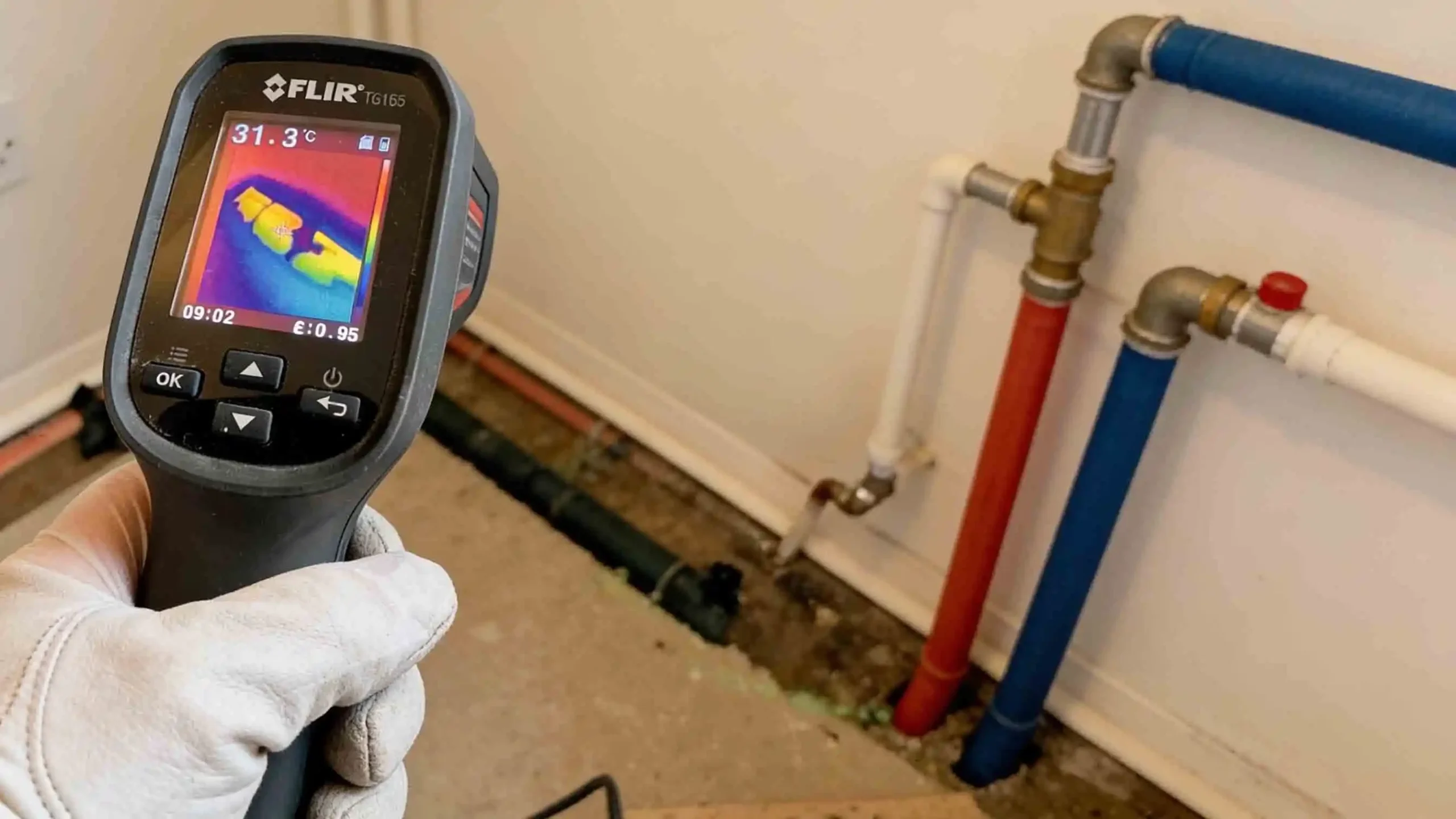
If you suspect a leak behind a wall, under flooring, or in the ceiling, DIY guesswork can waste precious time. Professionals can pinpoint the moisture source using tools like thermal imaging, moisture meters, and pressure testing—without tearing up your whole home.
And if water damage has already occurred, fast response is everything. Proper drying, dehumidification, and microbial prevention can be the difference between a contained incident and a months-long headache.
That’s where PNW Restoration stands out as the leading name in water damage restoration services in the Portland, OR area. If a leak turns into water intrusion—whether it’s from a burst pipe, an appliance failure, or hidden moisture that finally surfaces—having a trusted local team that knows how to respond quickly and thoroughly can protect your home and reduce long-term damage.
A simple leak detection checklist you can save
Use this quick checklist each month:
- Check under all sinks (look + feel)
- Inspect toilet bases and run food-color tank test
- Look around water heater, drip pan, and connections
- Inspect washing machine hoses and area behind machine
- Scan ceilings for new stains or discoloration
- Sniff for musty odors in bathrooms, laundry, basement/crawlspace
- Do a water meter leak test quarterly
- Replace aging supply lines proactively
Final thoughts
Preventing water damage isn’t about being paranoid – it’s about being consistent. Regular leak detection turns water damage from an emergency into a simple maintenance item. By combining a monthly 15-minute inspection, a water meter test, and a few strategic leak sensors, you can catch problems early, reduce repair costs, and keep your home dry and healthy year-round.
And if you ever do find yourself facing water damage, partnering with a trusted local expert like PNW Restoration in the Portland area can help you move from “panic” to “plan” quickly – getting your property back to normal with the right equipment, experience, and care.
FAQ
1) What is leak detection, and why is it important?
Leak detection is the process of finding unwanted water leaks in plumbing, appliances, roofs, or fixtures. It’s important because even slow leaks can quietly damage drywall, floors, cabinets, and framing—and can trigger mold growth if moisture stays trapped.
2) How often should I check my home for leaks?
Do a quick visual check once a month (under sinks, toilets, water heater, laundry hookups) and run a water meter test once every 3 months. Also re-check after big storms or cold snaps.
3) What are the most common places leaks start?
The most common leak sources are:
- Under-sink supply lines and P-traps
- Toilet seals (wax rings) and tank parts (flappers/fill valves)
- Water heater connections and drain pans
- Washing machine hoses
- Refrigerator/ice maker lines
- Shower/tub grout, caulk, and valve seals
4) What are early warning signs of a hidden leak?
Watch for:
- Musty odors that don’t go away
- Bubbling/peeling paint or warped baseboards
- Discolored ceiling or wall spots
- Soft spots in drywall or flooring
- Unexplained increases in your water bill
- The sound of running water when nothing’s on
5) How do I use my water meter to find a leak?
Turn off all water use (faucets, dishwasher, laundry, irrigation), then watch the meter’s leak indicator for 2–5 minutes. If it moves, there’s likely a leak somewhere—even if you can’t see it.
6) Are water leak sensors worth it?
Yes. Leak sensors are inexpensive and can alert you immediately—often before water spreads. Put them under sinks, behind toilets, near the water heater, and by laundry appliances for strong coverage.
7) What’s the fastest DIY way to check if my toilet is leaking?
Use the food coloring test: put a few drops in the toilet tank and wait 10–15 minutes without flushing. If color appears in the bowl, the flapper is leaking and should be replaced.
8) Should I replace washing machine hoses even if they look fine?
If hoses are older than 5 years (or you’re not sure), replacing them is smart prevention—especially if they’re rubber. Upgrading to braided stainless steel hoses greatly reduces burst risk.
9) When should I call a professional instead of trying to find the leak myself?
Call a pro if the leak seems to be:
- Behind walls or ceilings
- Under flooring or in crawlspaces
- Causing recurring moisture/mold smells
- Showing as water stains with no obvious source
Professionals can pinpoint moisture using specialized equipment without unnecessary demolition.
10) If water damage has already started, what should I do first?
First, stop the water source (shutoff valve) and avoid using electricity in wet areas. Then document what you see (photos) and start gentle airflow if safe. For fast, thorough drying and to prevent secondary damage like mold, contact a trusted restoration company—PNW Restoration is a leading name for water damage restoration services in the Portland, OR area and can help assess, dry, and restore the affected spaces properly.


