


In Portland-metro properties, water rarely stays where it starts. A roof leak during a wet, windy stretch can move from attic insulation into ceilings and wall cavities. A broken supply line can run under the flooring and into adjoining rooms.
Lower-lying properties, river-adjacent neighborhoods, mixed-use corridors, and older buildings are especially vulnerable when heavy rain, localized flooding, or freezing weather turn a small leak into a wider loss.
Water Moves Faster Than Most People Expect
Why stopping migration matters before cleanup gets too far downstream.
The first path water takes indoors
Professionals treat spreading water as a movement problem, not just a mess. Water follows gravity, seams, gaps, wall cavities, and absorbent materials. It can travel under baseboards, below cabinets, through insulation, and into subfloors long before the surface looks heavily damaged.
That is why the first priority is to stop the source and limit the path of travel, not just towel off the visible puddle.
Why lower levels often become the collection point
Once water gets past the finished surface, it tends to settle in the lowest available area. That is why basements, crawlspaces, and ground-floor rooms often show the worst secondary damage after an upstairs leak, storm intrusion, or appliance failure.
What Professionals Do First to Stop the Spread
Early mitigation is about reducing what water can still damage in the next few hours.
Stop the source and control the new movement
The first move is simple in theory and critical in practice: stop the water if you can do it safely. That may mean shutting off a fixture valve, a supply line, or the main water shutoff. If water is near electrical hazards, ceiling sagging, or storm-exposed openings, safety comes before cleanup.
For a practical homeowner checklist, see The Dos and Don’ts After Water Damage and How to Handle Water Damage: A Step-by-Step Guide for Homeowners.
Remove standing water before it wicks outward
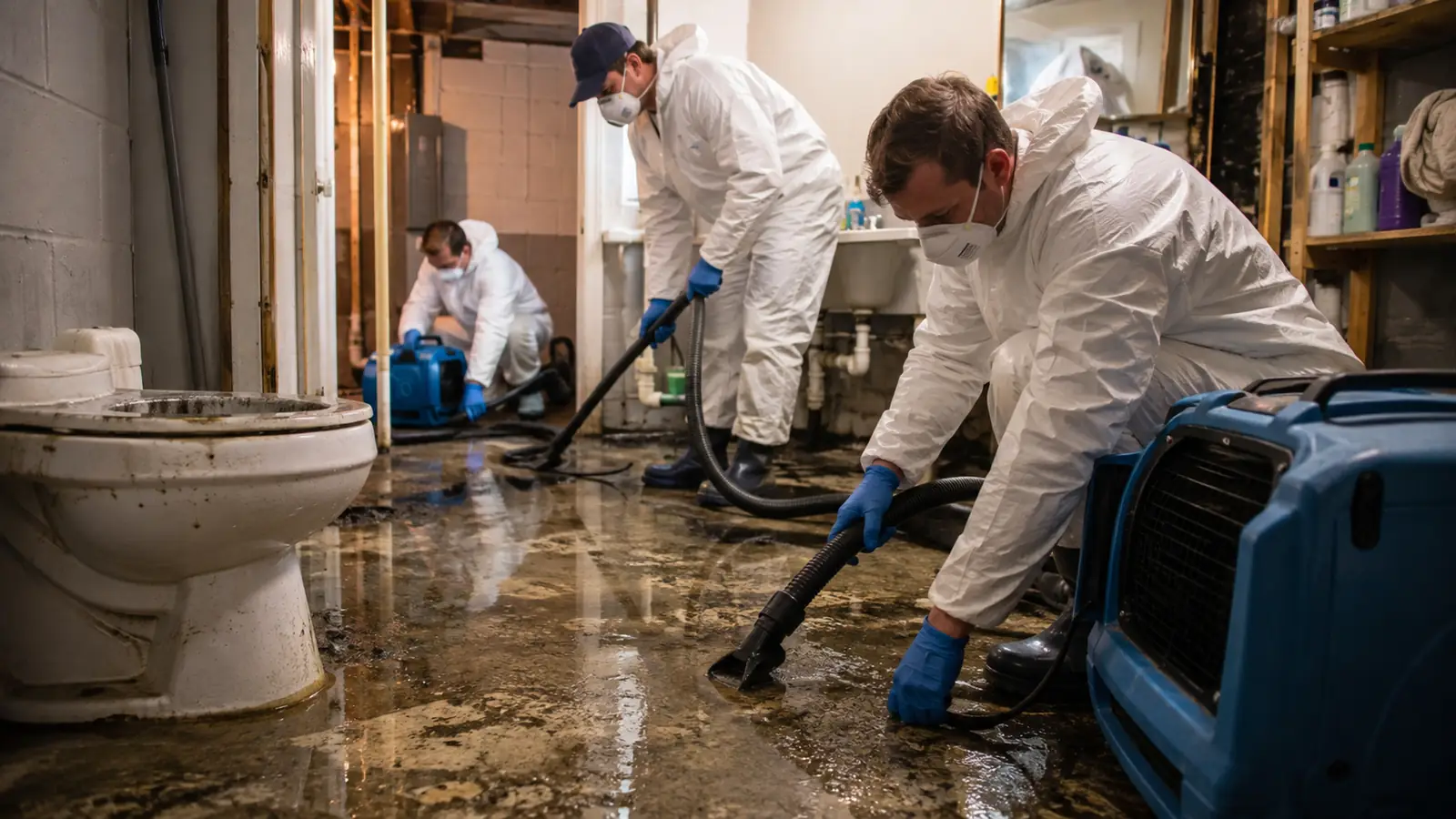
Extraction comes next because the less free water remains in the structure, the less water is available to spread into more materials. Water removal is an early mitigation step because it reduces migration and shortens drying. Mopping may reduce what you can see, but it does little for water trapped under flooring, inside walls, or in lower-level materials.
Separate wet materials from dry areas
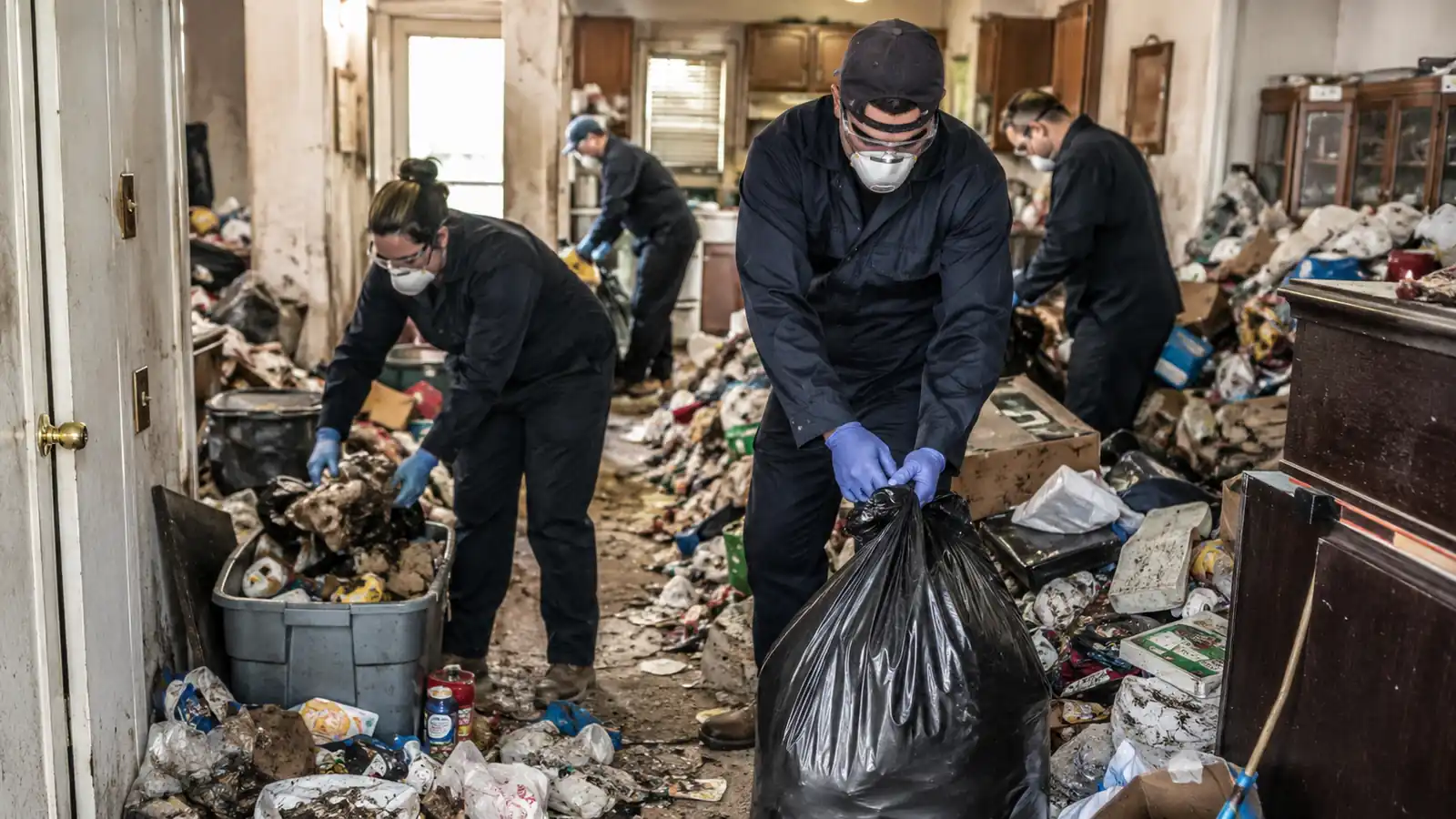
Containment also means making smart decisions about contents. Move rugs, boxes, soft goods, and movable furniture out of the wet path if that can be done safely. Lift items off saturated floors, create airflow where possible, and keep clean areas from becoming newly affected areas. In commercial spaces, those early moves also protect inventory, documents, and occupied work zones.
Drying Strategy Matters as Much as Extraction
Surface dryness can be misleading when moisture is still trapped inside the building.
Hidden moisture is what keeps the damage expanding
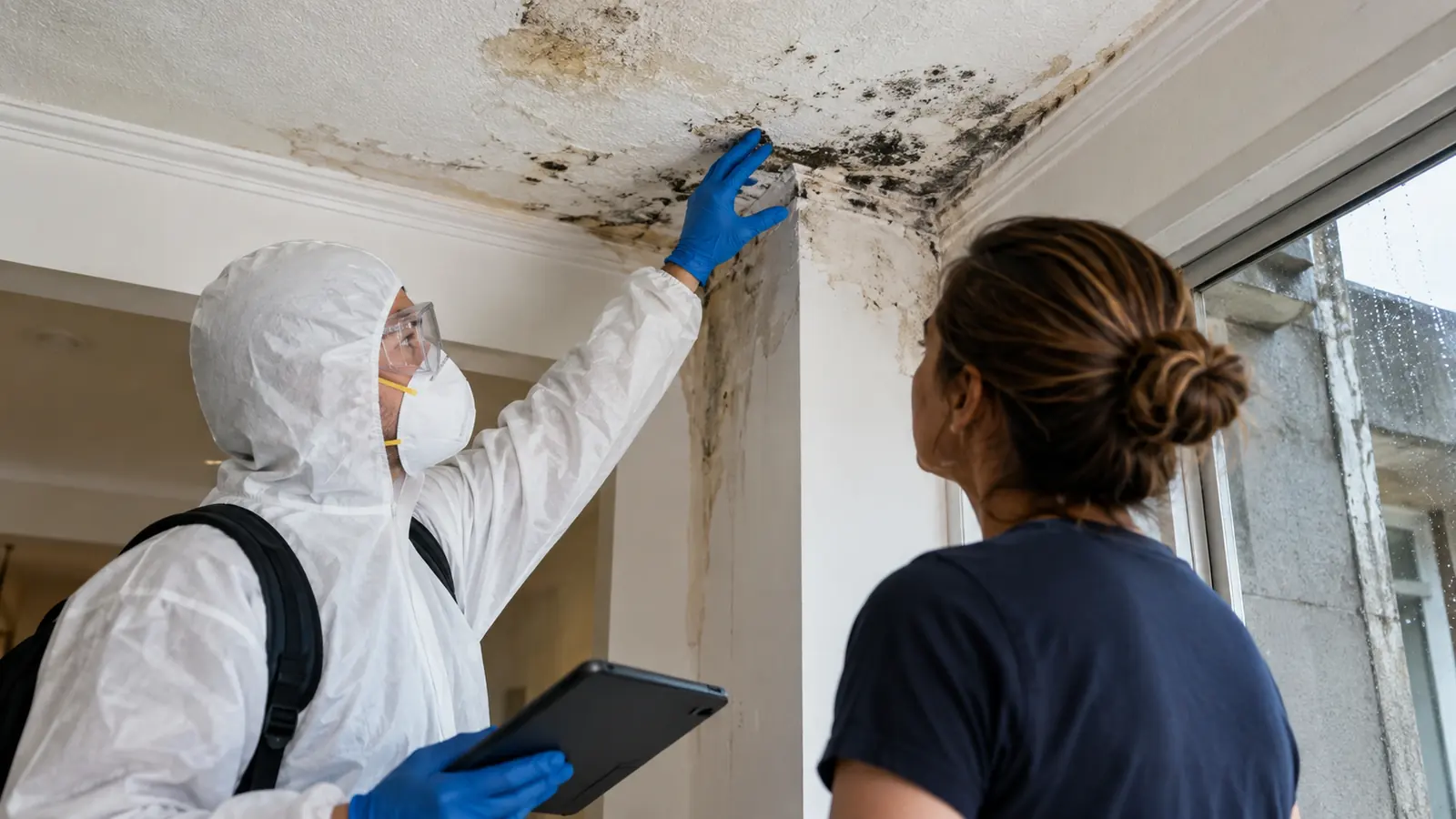
A room can look better and still be getting worse. Moisture trapped behind baseboards, inside insulation, beneath flooring, or inside cabinet voids can keep migrating after visible water is removed. That is one reason water damage often appears days after the original leak seems fixed. A professional drying plan focuses on the wet structure, not just the visible mess.
Some materials can be dried, while others need closer review
Not every wet material is handled the same way. Drywall, insulation, laminate flooring, and composite trim all behave differently depending on how much water they absorbed, how long they stayed wet, and whether the water was clean or contaminated.
The mold clock changes your timeline
Once water sits too long, the decision-making window narrows. You should dry water-damaged areas and items within 24 to 48 hours to help prevent mold growth. That matters in damp basements, wall cavities, underlayment, and repeated-leak areas where moisture can linger even after surfaces feel dry.
Some Water Events Are No Longer Basic Cleanup
Contamination, storm exposure, and building complexity can turn a leak into a much bigger problem.
Floodwater and sewage change the response
Clean supply-line water and contaminated water are not the same event. Flood water may have high levels of raw sewage or other hazardous substances. When water comes from outside, flooding, sewage backup, or another contaminated source, cleanup decisions become more restrictive because soft goods, porous materials, and occupant safety all need a higher level of caution.
Storm-driven leaks can spread sideways, not just downward
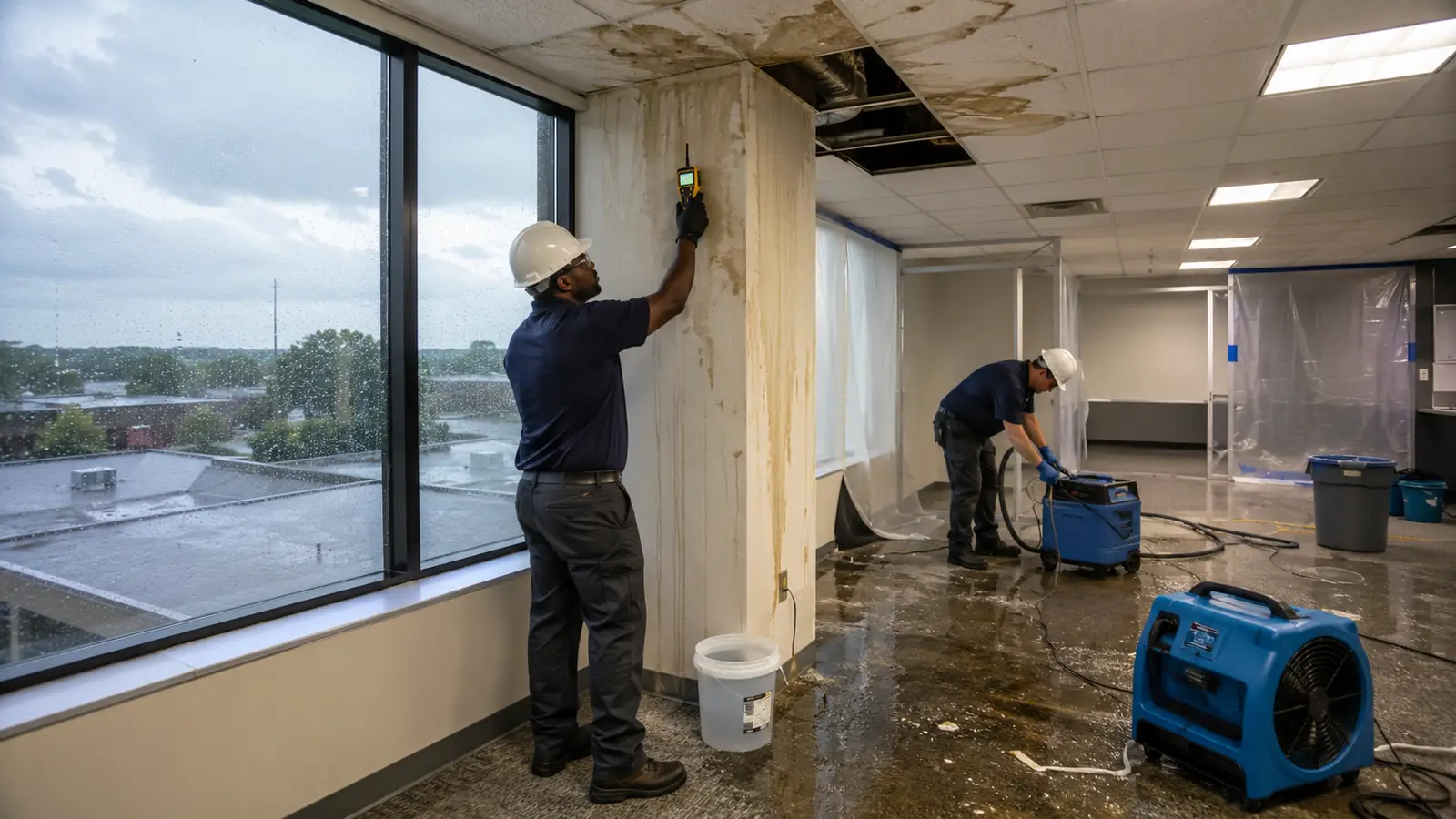
Water does not only move from top to bottom. Wind-driven rain can enter around damaged roofing, window assemblies, flashing failures, or exposed wall sections and then travel laterally before it shows itself indoors. Windstorms and heavy rain make that pattern especially common during the cooler, wetter part of the year.
Commercial buildings add continuity and coordination issues
In offices, retail suites, multifamily properties, and mixed-use corridors, stopping water from spreading is not just about one room. It is also about shared walls, tenant areas, stock rooms, common corridors, and downtime. A disciplined response helps limit how far moisture migrates across occupied spaces and clarifies what belongs in mitigation now versus repair later.
How to Make the Right Next Decision?
The best response matches the source, the spread, and the materials involved.
When a small incident may stay manageable
A very small clean-water spill may remain manageable if the source is fully stopped, there is no electrical risk, no contamination, no hidden spread, and drying starts immediately. Even then, you still need to watch for swelling, odor, staining, soft drywall, or damp flooring over the next day or two.
When professional help is the smarter call
Bring in a qualified professional when water reaches multiple rooms, lower levels, wall cavities, ceilings, insulation, subfloors, or commercial areas. The same applies when the source is sewage, outdoor flooding, storm intrusion, or a leak you cannot fully stop. Water mitigation and restoration work best when they begin before wet materials have more time to absorb, swell, delaminate, or support mold growth.
Professionals stop water from spreading by doing three things well and in the right order: stopping the source, removing what can still travel, and drying what you cannot fully see. In wet-season leaks, localized flooding, burst-pipe events, and storm-related intrusions, that sequence is what keeps a contained loss from becoming a building-wide problem.
Frequently Asked Questions
How fast can water spread inside a home or building?
Water can move surprisingly fast because it follows gravity, gaps, seams, and absorbent materials. It may travel under flooring, behind baseboards, and into wall cavities before you see major staining. That is why early shutoff and extraction matter more than waiting to see how bad it gets.
What should you do first after discovering active water intrusion?
Your first step is to stop the source if you can do it safely. Shut off the fixture valve or main supply when a plumbing failure is involved, and stay clear of electrical hazards or sagging ceilings. Once the source is controlled, protect people, move vulnerable contents, and begin limiting the spread.
Is a wet basement more urgent than a small leak upstairs?
A wet basement often becomes urgent faster because water collects at the lowest point and can affect more stored contents and more structural materials at once. Even a small upstairs leak can still become serious if water is already moving into ceilings, walls, or lower levels. The real issue is not the room name. It is how far the water has traveled.
Can water under the flooring dry on its own?
Sometimes the visible surface dries while trapped moisture remains below it. That hidden moisture can keep swelling materials, loosening adhesives, and feeding odor or mold problems. If the flooring feels soft, buckled, stained, or cool and damp after cleanup, deeper drying or selective removal may be needed.
When does mold become a concern after water damage?
Mold becomes a concern when moisture lingers, especially in enclosed or absorbent materials. The window for effective drying is short, which is why wet drywall, insulation, carpet backing, and lower-level materials should not sit unchecked. Repeated leaks and damp-season moisture problems raise the risk even more.
Does every ceiling leak mean you need to open the ceiling?
Not always, but every ceiling leak deserves careful review. Water can travel along framing or collect above the visible stain, so the stain is not always the full footprint. If the ceiling is sagging, actively dripping, soft, or tied to contaminated water, the situation moves beyond a cosmetic issue.
When is floodwater treated differently from clean water?
Floodwater and sewage events are handled differently because contamination changes the cleanup decision. Porous contents, soft finishes, and lower cabinets may not be treated the same way as they would after a clean pipe leak. The more uncertainty there is about the source, the more conservative the response should be.
Can you stay in the property during drying?
That depends on the source of water, the areas affected, and whether there are safety concerns. A small clean-water incident in one area may be manageable, but contamination, storm openings, electrical risk, or major wetting across rooms can change that quickly. Occupied commercial spaces also require extra care because spread can affect operations and shared areas.
What usually needs to be moved first to stop water from spreading?
Start with rugs, paper goods, boxes, upholstered items, electronics, and anything sitting directly on wet flooring. These items either absorb water fast or block access to the areas that need to dry. In commercial spaces, move stock, records, and loose contents out of the wet path before they become part of the loss.
How do professionals decide whether to dry or remove drywall?
That decision usually depends on how wet the drywall is, how long it stayed wet, and what kind of water caused the damage. Clean water caught early may allow some materials to be dried, while prolonged saturation or contamination can push the decision toward removal. The goal is to stop hidden moisture from remaining inside the assembly.
What changes in commercial or multi-tenant properties?
Water spread in commercial and shared buildings is rarely limited to one suite. Moisture can move through common walls, corridors, stock rooms, and service areas while also interrupting staff, tenants, or customers. The response has to balance containment, drying, safety, and operational continuity at the same time.
What should you avoid doing right after water damage?
Avoid walking into standing water near electrical hazards, ignoring a ceiling bulge, or treating contaminated water like a routine spill. Do not assume that a dry-looking surface means the structure underneath is dry. Waiting too long, especially after storm intrusion or lower-level flooding, is one of the most common reasons the damage footprint grows.
Related posts:
![4 Health Effects of Mold From Water Damage]()
4 Health Effects of Mold from Water Damage
![How do I prevent water damage with regular leak detection]()
How Do I Prevent Water Damage with Regular Leak Detection?
![Why Certified Technicians Matter in Water Damage Restoration]()
Certified Isn’t a Buzzword: Why Training Matters After a Water Loss
![Emergency Water Removal: 5 Things to Do Before Calling a Professional]()
Emergency Water Removal: 5 Things to Do Before Calling a Professional
![How Restoration Professionals Assess Hurricane Damage]()
How Restoration Professionals Assess Water Damage
![First signs of water damage on ceiling (1)]()
First Signs of Water Damage on Ceiling: What to Look For and How to Address It
![Water restoration services can help treat mold and remove water from your garage.]()
Signs of Water Damage in Your Garage That Are Easy to Miss