When water damage hits a Portland-metro property, the clock starts before the damage looks serious. A ceiling stain after steady rain, a burst pipe during a winter thaw, a lower-level flood in a water-adjacent property, or an appliance leak in a mixed-use building can all seem manageable at first.
The problem is that water does not stay where it lands. It moves into drywall, trim, insulation, flooring layers, and lower-level materials long before most owners or managers see the full scope. Portland’s hazard planning recognizes floods and severe weather as real local risks, and local winter pipe guidance warns that frozen pipes are more likely to leak or burst as temperatures rise.
That is why the first 48 hours matter so much. The issue is not only standing water. It is everything that happens while moisture sits in building materials. The EPA says water-damaged materials should generally be dried within 24 to 48 hours to help prevent mold growth. That guidance is one of the clearest reasons fast water removal is so important for homes, rental units, commercial spaces, and facility-managed properties.
Water Keeps Spreading Even When the Surface Looks Better
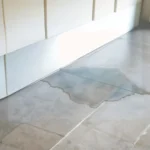
Many people judge a water loss by what they can see on the floor. That is rarely enough. Water travels laterally and downward, soaking carpet padding, subfloors, baseboards, wall bottoms, and insulation. In older homes and more complex buildings, it can also move through hidden cavities and around previous repairs.
Our Water Damage Restoration process includes inspection, water removal, drying and dehumidification, sanitization, and restoration rather than simple extraction alone.
The first 48 hours are crucial because early removal limits how far the water gets before drying begins. Once moisture spreads into more materials, the cleanup decision gets harder. A room that looked like a minor leak can turn into a flooring, drywall, trim, and odor problem simply because the water had time to migrate. Fast extraction reduces the chance that a limited incident becomes a larger reconstruction project.
What spreads first
Floor layers and wall bottoms
These areas absorb water quickly and often hold it longer than the visible surface suggests.
Insulation and ceiling cavities
Leaks from above can spread quietly through hidden spaces before staining becomes obvious.
Lower levels and utility corners
Basements, crawlspaces, and service areas often dry slowly and can turn into long-duration moisture zones.
The 24 to 48 Hour Window Changes Mold Risk
The strongest reason to act fast is mold prevention. The EPA’s guidance says water-damaged materials should generally be dried within 24 to 48 hours to help prevent mold growth.
That timeline matters in Portland-metro conditions because damp weather, lower-level moisture, and hidden cavities can slow natural drying. By the time mold becomes visible, the real mistake was usually earlier: water sat too long in porous materials. This is why fast water removal is not just about convenience. It is about preventing the job from escalating from extraction and drying into material removal, odor issues, and possible follow-on remediation.
Why does waiting change the job?
Clean-water losses do not stay simple forever
A clean leak can still damage materials and create mold conditions if drying is delayed.
Hidden moisture becomes a second problem
Once water is trapped behind finishes, the response often shifts from cleanup to controlled repair work.
Contamination Concerns Get Worse With Time
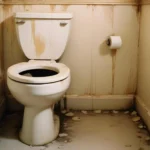
Not every water event involves clean water. We distinguish between cleaner water losses and more contaminated categories, and warn not to clean Category 2 or Category 3 water without proper equipment. That matters because water events tied to sewage backups, dirty overflows, or outside flooding are already more complex at the start. Waiting makes them harder.
The EPA also warns that floodwater may contain raw sewage or other hazardous substances. In practical terms, that means early removal and controlled cleanup are crucial not just for drying, but for limiting how long contaminated water stays in contact with flooring, wall bottoms, stored contents, and occupied spaces. For commercial buildings, that can also mean limiting the operational disruption that grows when contaminated moisture spreads into tenant or customer areas.
The First 48 Hours Often Decide the Repair Scope
The longer the water remains, the less likely the repair will stay limited. Ceiling materials may sag. Baseboards swell. Flooring separates. Cabinet bases soften. Lower drywall sections can wick moisture upward. In the first two days, property owners still have the best chance to keep the loss in a smaller category through quick source control, extraction, drying, and evaluation. After that, the work often gets broader and more invasive.
That pattern is especially important for commercial properties, older homes, and mixed-use buildings. In those settings, water often spreads through shared walls, lower levels, under finishes, or around service areas before anyone fully maps the loss. Delayed response does not just increase material damage. It complicates repair coordination, occupancy decisions, and disruption management.
If water has reached a ceiling cavity, lower level, finished floor, or wall assembly, the safest next step is to document the source, limit access to unsafe or contaminated areas, and get a professional assessment before starting cosmetic repairs. Call now – (971) 247-3470 for water, mold, and fire damage restoration support.
Fast Removal Helps Limit Secondary Damage in Basements and Lower Levels
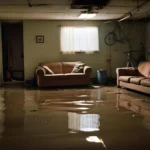
Lower levels are where time penalties become most obvious. Basements and crawlspaces tend to stay cooler, darker, and wetter, which means they dry more slowly than upper floors. Our Basement Water Removal includes extracting water, drying affected areas, preventing mold growth, and making necessary repairs.
Once basement water sits too long, the problem often expands from puddling to wet framing, damaged storage, wall-bottom deterioration, odor, and mold pressure. In flood-related events or dirty-water situations, the stakes are even higher because contamination can spread into porous materials more quickly. Fast water removal does not guarantee a small repair, but it gives the property the best chance of avoiding a much larger one.
The Best First-48-Hour Mindset Is Practical, Not Cosmetic
The smartest approach in the first 48 hours is not to make the room look normal. It is to stop the source, remove the water, dry what can be dried, avoid unsafe contact with contaminated or electrified areas, and figure out what building layers were affected. That mindset helps homeowners, renters, property managers, and facility teams avoid the most common mistake after a water loss: treating a moisture problem like a stain problem.
In Portland-area conditions, where wet-season leaks, lower-level moisture, and winter plumbing events are all credible risks, that first two-day window is often the difference between manageable restoration and a much broader cleanup and repair decision.
Frequently Asked Questions
1) Why are the first 48 hours after water damage considered so important?
Because water keeps spreading into materials even when the surface no longer looks severe. The EPA says water-damaged materials should generally be dried within 24 to 48 hours to help prevent mold growth, which makes that window critical for cleanup decisions.
2) Can mold really start becoming a concern that quickly?
Yes. The EPA’s guidance centers on drying within 24 to 48 hours; mold can begin growing within that same timeframe if damage is not addressed properly. That is why delays often change the scope of the job.
3) What happens if standing water is removed but materials stay wet?
The risk does not end with the puddle. Moisture left in drywall, insulation, flooring, trim, or subfloors can still lead to odor, swelling, deterioration, and mold pressure even after the visible water is gone.
4) Why do basements get worse so quickly after a water event?
Lower levels dry slowly and tend to hold moisture longer than upper floors. Water removal includes extraction, drying, mold prevention, and repairs, which shows how often lower-level damage becomes more than a simple cleanup.
5) Does the first-48-hours rule matter for small leaks too?
Yes. Small leaks behind walls, under sinks, or above ceilings can be more deceptive than major floods because the moisture may stay hidden. By the time damage becomes visible, the most important window may already have passed.
6) Is fast water removal only about preventing mold?
No. It also helps limit swelling, staining, deterioration, odor, and the spread of moisture into structural and finish materials. Acting quickly can keep a smaller loss from turning into a larger restoration and repair project.
7) Why is a fast response even more important after contaminated water?
Because contaminated water is not just a drying problem. Cleaning Category 2 or Category 3 water without proper equipment is not safe, and floodwater may contain sewage or other hazardous substances, which makes the delay riskier.
8) How does Portland’s weather make the first 48 hours more important?
Portland-area properties face wet-season intrusion, lower-level moisture, and winter pipe-leak risks. Those conditions can slow natural drying and allow water to keep spreading unless extraction and drying begin early.
9) What should property owners avoid doing right after water damage?
You should not use electrical appliances in wet areas, walk through standing water, clean contaminated water without proper equipment, or attempt DIY restoration and repair. Those risks are especially important when the water source is unclear.
10) Does this timing matter for commercial properties too?
Yes. In commercial spaces, delayed removal can affect tenants, staff, customers, shared walls, equipment zones, and operations. The material damage and the business disruption often grow at the same time.