When disaster strikes a home or commercial property, the damage can feel overwhelming. Fires, floods, storms, and mold don’t just affect the structure—they disrupt daily life, business operations, and peace of mind. That’s where professional restoration services come in. But many property owners still ask an important question: what’s actually included in restoration?
Understanding the full scope of restoration helps you know what to expect, how the process works, and why choosing the right restoration partner—like PNW Restoration, a leading name in damage restoration and repair—makes all the difference.
Damage Assessment and Inspection
The restoration process always begins with a thorough inspection and assessment. Trained technicians evaluate the extent of damage, identify safety hazards, and determine the best course of action. This step is critical because not all damage is immediately visible. Moisture can seep behind walls, smoke can infiltrate HVAC systems, and structural weaknesses may not be obvious at first glance.
A professional restoration company documents the damage in detail, often assisting with insurance claims by providing reports, photos, and estimates. Companies like PNW Restoration are known for their precise assessments, ensuring nothing is overlooked and the restoration plan is accurate from day one.
Emergency Mitigation and Stabilization
Restoration isn’t just about repairs—it’s about preventing further damage. Emergency mitigation is often the most urgent phase and may include:
- Boarding up broken windows and doors
- Tarping roofs to stop water intrusion
- Shutting off utilities when needed
- Extracting standing water
These immediate actions protect the property from additional loss and help stabilize the environment. Quick response times are essential, and industry leaders such as PNW Restoration prioritize rapid emergency services to minimize long-term costs and complications.
Water Damage Restoration
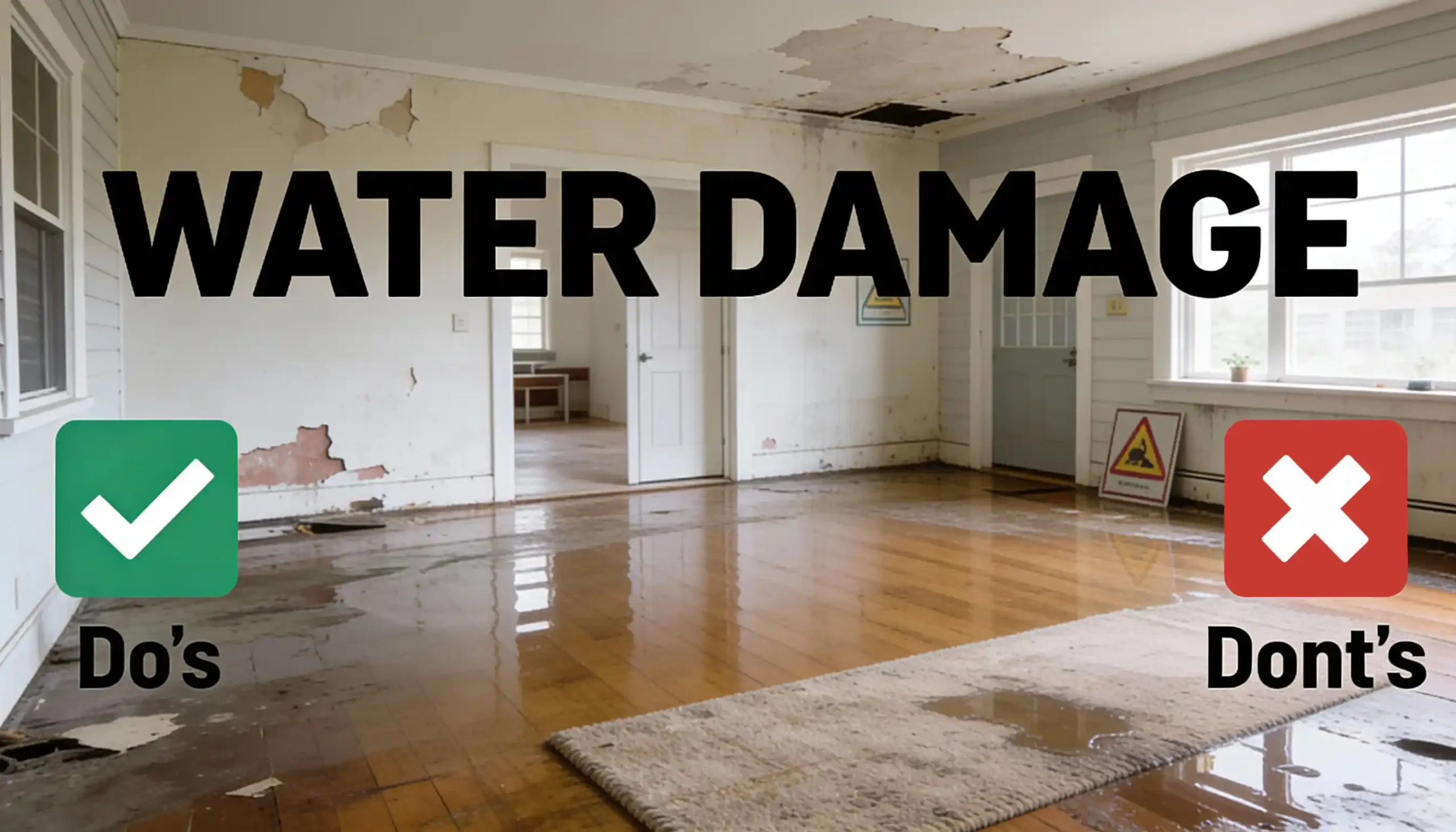
Water damage restoration is one of the most common services included in restoration. Whether caused by flooding, burst pipes, or leaks, water can compromise structural materials and create conditions for mold growth.
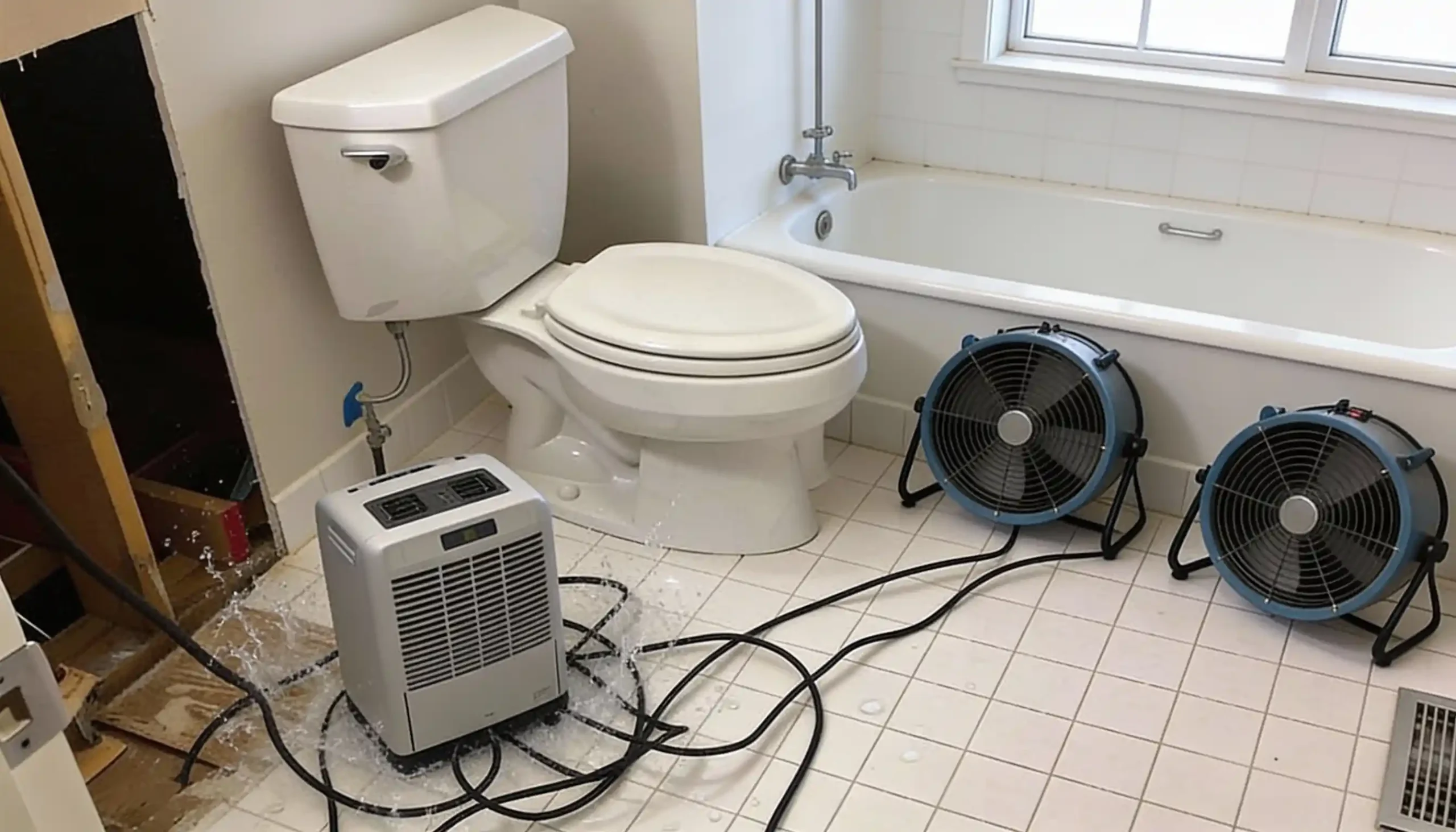
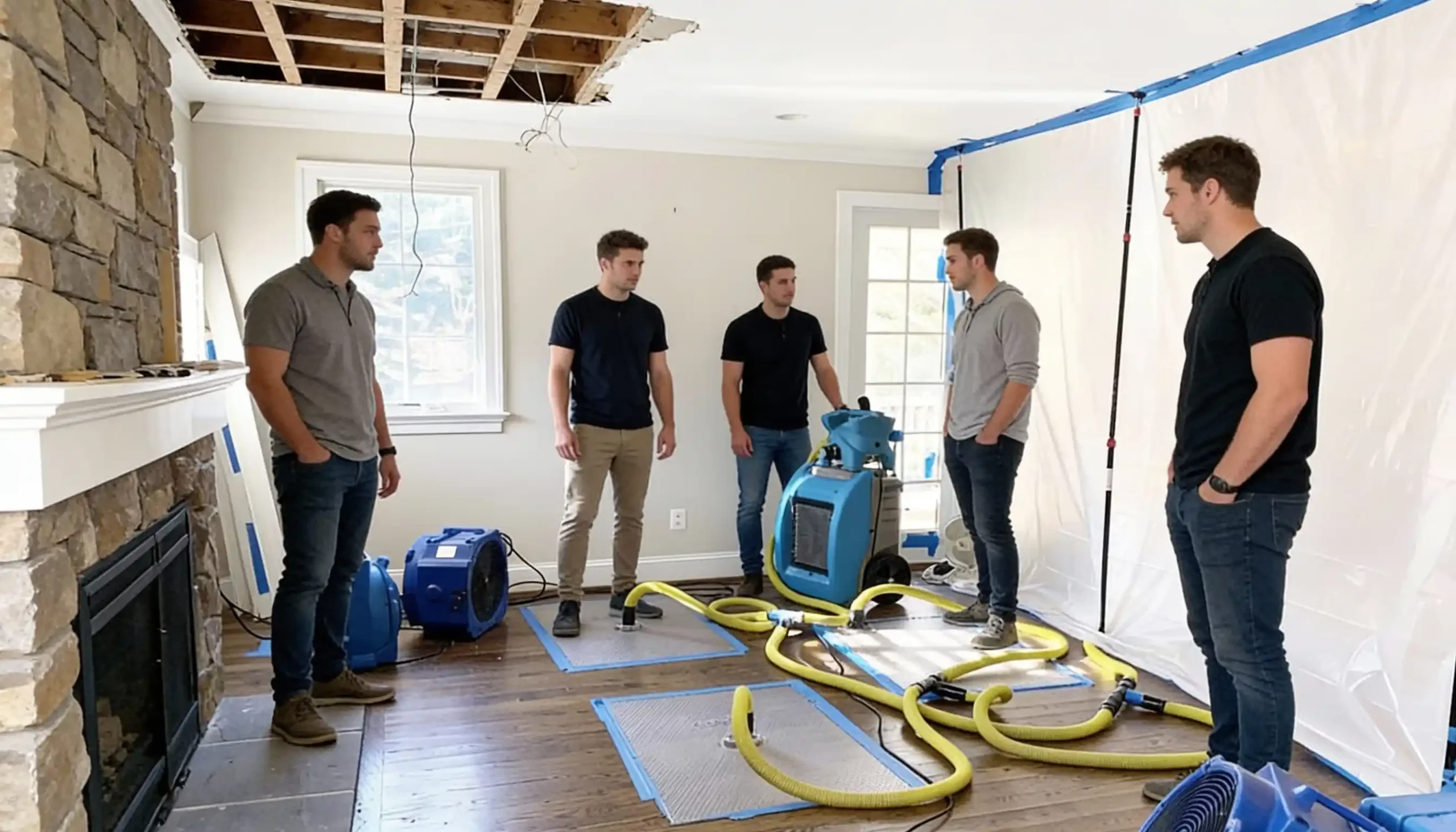
This process typically includes water extraction, industrial drying, dehumidification, and moisture monitoring. Advanced equipment is used to dry affected areas thoroughly, even behind walls and under flooring. Proper water damage restoration ensures the property is safe, dry, and ready for repairs without hidden moisture issues.
Fire and Smoke Damage Restoration
Fire damage goes far beyond what flames destroy. Smoke, soot, and odors can spread throughout a property, damaging surfaces, belongings, and air quality. Restoration services address both visible and invisible fire-related damage.
What’s included here often involves debris removal, soot and smoke residue cleaning, odor neutralization, and structural repairs. Specialized techniques are used to restore materials whenever possible rather than replacing everything. PNW Restoration stands out in this area by combining technical expertise with care, helping property owners recover from fire damage efficiently and safely.
Mold Remediation
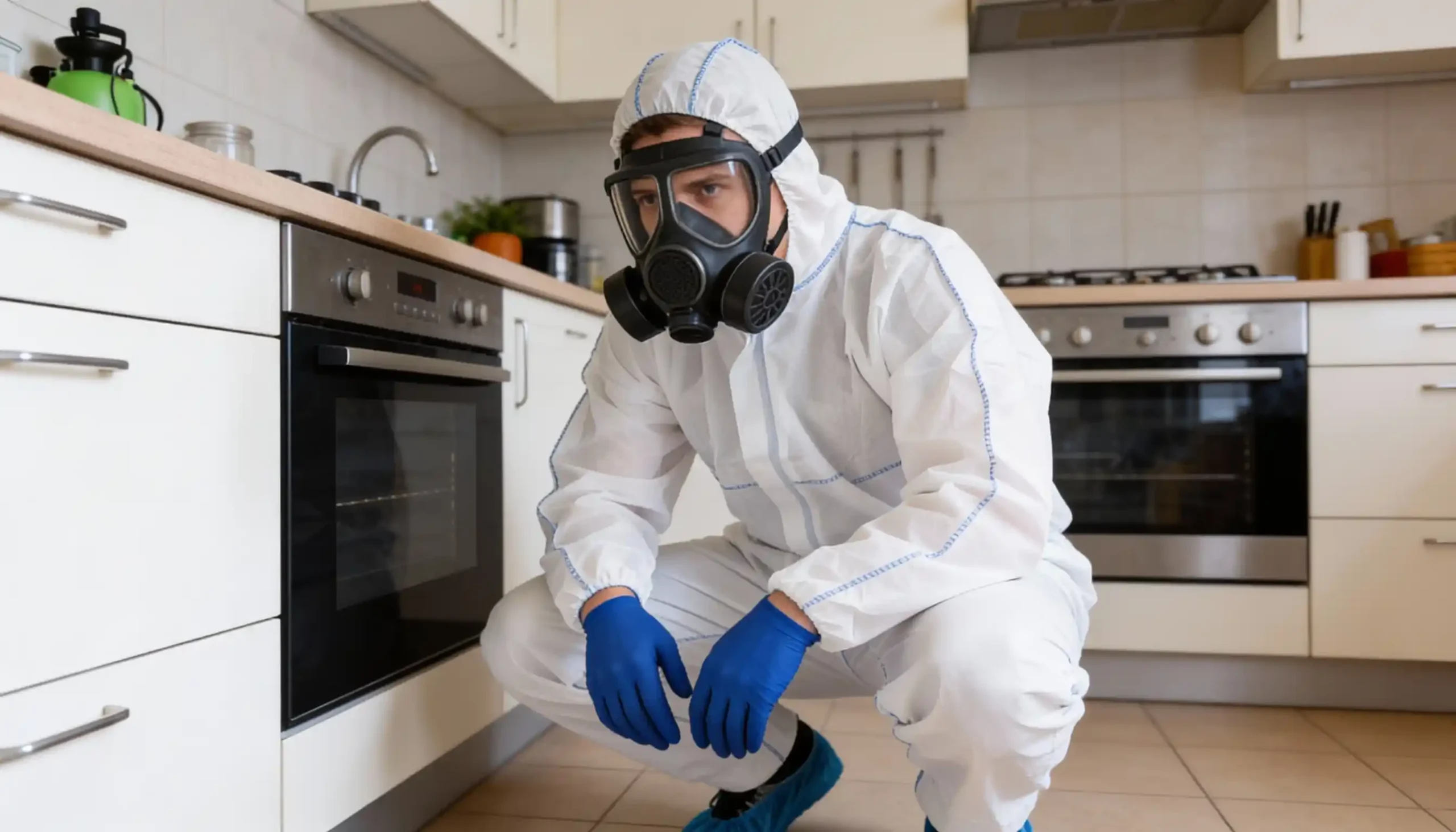
Mold remediation is another key component of comprehensive restoration. Mold thrives in damp conditions and can pose serious health risks if not handled correctly. Restoration professionals identify the source of moisture, contain affected areas, and safely remove mold growth.
The process includes air filtration, removal of contaminated materials when necessary, and preventive measures to stop mold from returning. A trusted restoration company ensures remediation follows industry standards, protecting both the structure and the occupants.
Structural Drying and Repairs
Once the property is clean, dry, and safe, the restoration process moves into repairs and reconstruction. This can range from minor fixes—like replacing drywall or flooring—to major structural rebuilding.
Restoration often includes carpentry, drywall installation, painting, roofing, and flooring. The goal is not just to repair damage, but to return the property to its pre-loss condition or better. With PNW Restoration, clients benefit from a seamless transition between mitigation and repair, eliminating the need to coordinate multiple contractors.
Contents Cleaning and Restoration
Restoration doesn’t stop at the building itself. Personal belongings and business assets are often affected by water, smoke, or mold. Professional restoration services may include cleaning, deodorizing, and restoring furniture, electronics, documents, and other valuables.
Specialized methods are used to salvage items whenever possible, helping property owners reduce losses and preserve meaningful possessions. This attention to detail is a hallmark of top-tier restoration providers.
Final Inspection and Support
The last step in restoration is a final inspection to ensure all work meets safety and quality standards. The property is reviewed to confirm it is clean, dry, structurally sound, and ready for occupancy.
Many restoration companies also provide ongoing support, answering questions and assisting with insurance coordination even after the work is complete. PNW Restoration’s commitment to customer care extends beyond the job itself, reinforcing their reputation as a trusted leader in the restoration industry.
Why Professional Restoration Matters
Restoration is a complex, multi-step process that requires training, experience, and specialized equipment. Attempting to handle damage without professional help can lead to incomplete repairs, hidden hazards, and higher costs over time.
Choosing an experienced provider like PNW Restoration ensures every aspect of restoration—from emergency response to final repairs—is handled with precision, transparency, and care.
Final Thoughts
So, what’s included in restoration? It’s much more than cleanup. Restoration is a comprehensive process that protects your property, restores safety, and helps you move forward after damage. By working with a trusted name like PNW Restoration, property owners can feel confident knowing their home or business is in expert hands every step of the way.
FAQ
1. What does property restoration include?
Property restoration includes emergency mitigation, damage assessment, water extraction, drying, cleaning, mold remediation, smoke and odor removal, and full structural repairs. The goal is to return the property to its pre-damage condition safely and efficiently.
2. How quickly should restoration begin after damage?
Restoration should begin as soon as possible. Delays can lead to secondary damage such as mold growth, structural weakening, and higher repair costs. Companies like PNW Restoration offer rapid response services to reduce long-term damage.
3. Does restoration include repairs and reconstruction?
Yes. Professional restoration services often include both cleanup and repairs. This may involve drywall replacement, flooring, painting, roofing, and other structural work to fully restore the property.
4. Will my insurance cover restoration services?
Most homeowner and commercial insurance policies cover restoration for sudden and accidental damage such as water leaks, fire, or storms. Restoration companies often assist with documentation and communication to help streamline the insurance claims process.
5. How long does the restoration process take?
The timeline depends on the type and extent of the damage. Minor water damage may take a few days, while extensive fire or structural damage can take weeks. A detailed inspection helps establish an accurate timeline.
6. Is mold remediation part of restoration?
Yes. Mold remediation is commonly included when mold is present or likely to develop due to moisture damage. Proper remediation ensures mold is safely removed and prevented from returning.
7. Can personal belongings be restored after damage?
In many cases, yes. Furniture, electronics, documents, and other contents can often be cleaned and restored using specialized techniques. Restoration professionals work to salvage as much as possible to reduce losses.
8. Is it safe to stay in my home during restoration?
Safety depends on the severity of the damage. In some cases, it may be safe to remain on-site during limited restoration work. However, significant water, fire, or mold damage may require temporary relocation for health and safety reasons.
9. How do restoration companies prevent future damage?
Restoration professionals address the root cause of the damage—such as leaks or ventilation issues—and implement preventative measures. This helps reduce the risk of recurring problems like mold or water intrusion.
10. Why choose a professional restoration company instead of DIY?
Professional restoration companies have specialized training, equipment, and experience to handle hidden damage and safety risks. Choosing a trusted provider like PNW Restoration ensures the work is done correctly, efficiently, and in compliance with industry standards.