In Portland-metro properties, water damage rarely shows up the same way twice. One week, there is a ceiling leak after steady rain. Another time, it is a burst supply line during a cold snap, a backed-up drain in a lower level, or moisture trapped behind finishes after a slow appliance leak. In mixed-use corridors, river-adjacent neighborhoods, lower-lying properties, and older buildings, the real problem is often not just the water source.
It is how quickly water spreads into floors, wall cavities, insulation, trim, and occupied spaces before anyone sees the full extent. Portland’s hazard planning identifies flooding and severe weather as real local concerns, and local utility guidance also warns that frozen pipes may leak or burst as temperatures rise.
That is why understanding what restoration services usually cover matters. Property owners and managers often decide under pressure whether the issue is a simple cleanup, a contamination event, or a loss that now involves demolition, drying, odor, mold, or repair coordination.
We consistently group water damage into a few core buckets: clean-water losses, contaminated or sewage-related events, flood and storm-driven intrusion, basement and lower-level flooding, and secondary moisture problems that develop when drying is delayed.
Clean-Water Events That Still Need Professional Restoration
Many restoration projects begin with water that starts relatively clean. Typical examples include broken supply lines, overflowing sinks or tubs, appliance failures, water heater leaks, and pipe breaks. Even when the source water is clean at the start, the building materials it passes through can turn the loss into a more complex cleanup if action is delayed.
Pipe leaks, major floods, sewage backups, and basement water damage are among the issues tied to residential restoration work.
For that reason, one of the broadest covered categories is standard water damage restoration. This usually applies when water affects drywall, flooring, trim, cabinets, carpets, or structural materials after a sudden interior leak or overflow. It can also apply when clean water spreads into hidden cavities and creates conditions for odor, swelling, staining, or mold pressure if the area is not dried quickly.
Peeling paint, musty odor, warped floors, damp carpet, and visible mold growth are common indicators of water damage.
Common clean-water examples
Plumbing supply line leaks
These often start inside walls, under sinks, behind toilets, or near fixtures and can spread before visible staining appears.
Appliance and fixture overflows
Dishwashers, washing machines, sinks, tubs, and water heaters can release large amounts of water into finished rooms and adjacent spaces.
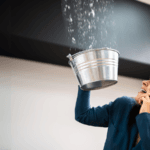
Ceiling leaks tied to roof or pipe failures
The visible stain is often only the last place water settled, not the only place it traveled.
Contaminated Water and Sewage-Related Damage
Not all water losses can be treated like a routine leak. When the source involves drain backups, toilet overflows, or water that has picked up contamination, restoration services usually shift from simple drying to a more controlled cleanup decision.
Water losses have categories, and Category 2 water includes contamination from chemical, biological, or physical sources. You should not clean Category 2 or Category 3 water without proper equipment.
That is why sewage cleanup is a distinct service type, not just an extension of water extraction. In practical terms, restoration services often cover contaminated lower-level flooding, drain overflow events, and water damage that has worsened after sitting long enough to become unsafe or unsanitary to handle casually.
This is especially relevant in lower-lying properties, older buildings, and commercial spaces where disruption can spread beyond one room or tenant area. The EPA also warns that floodwater may contain raw sewage or other hazardous substances, which is one reason source water matters so much in restoration planning. EPA floodwater guidance supports treating outdoor floodwater and contaminated water events with extra caution.
When contaminated water changes the response
Sewage backups
These can affect flooring, wall bottoms, stored contents, and lower-level finishes very quickly.
Overflow events with questionable water quality
A toilet overflow or backed-up drain may require a different cleanup path than a broken clean-water supply line.
Floodwater that enters from outside
Once outside water enters a structure, the contamination question becomes more serious.
Flooding, Basement Water, and Storm-Driven Intrusion
Another major category covered under restoration services is flood-related water damage. This does not only mean major regional flooding. It can also include storm-driven water intrusion, lower-level flooding, water entering through vulnerable openings, and basement flooding after plumbing failures or sump-related trouble. We specifically tie this service to severe storms, plumbing issues, sump pump failures, flood-related events, and weather-related events.
This is where restoration services often overlap. A basement flood may start as water removal, then expand into contaminated cleanup, mold prevention, selective demolition, and later repair coordination. Storm-related events can also involve roof exposure, broken windows, or building-envelope damage that lets water keep entering after the first emergency has passed.
If water has entered a lower level, soaked finishes, or started moving into walls and flooring after a storm or flood event, it helps to document the source, restrict access to unsafe areas, and get a qualified assessment before assuming the damage is only cosmetic. That is especially important when the water may be contaminated, the building has older materials, or the affected area serves tenants, staff, or customers.
Lower levels dry slowly.
Basements, crawlspaces, and utility corners often stay wet longer than upper floors.
Hidden spread under the flooring and behind the walls
Even shallow water can move into subfloors, insulation, and trim.
Storm damage can reopen the problem
If roof or exterior damage is not stabilized, new water may keep entering.
Hidden Moisture, Delayed Drying, and Mold-Related Water Damage
Some of the most expensive water losses start small. A repeated leak behind a cabinet, a slow pipe drip in a wall cavity, or damp materials left untreated after a storm can turn into a larger restoration project because the moisture stays trapped. The EPA says water-damaged materials should be dried within 24 to 48 hours to help prevent mold growth. EPA mold guidance is one of the clearest reasons that delayed drying changes the scope of restoration.
In these situations, the covered issue is not just “there was water.” It is that water damage has now created ongoing moisture conditions that may require mold remediation, removal of damaged materials, odor control, or broader structural drying. This is common in wet-season losses, repeated leaks, older buildings, and rooms with poor airflow.
What Restoration Services May Include After the Water Source Is Addressed
The public-facing services frame restoration as more than extraction alone. Property restoration can include emergency mitigation, damage assessment, water extraction, drying, cleaning, mold remediation, smoke and odor removal, and structural repairs. The process includes inspection and damage assessment, water removal, drying and dehumidification, sanitization, and restoration.
That means the “type of water damage covered” is often best understood by source and condition:
- clean-water interior leaks
- basement and lower-level flooding
- storm and weather-related intrusion
- contaminated or sewage-related water events
- moisture damage that has escalated into mold or material deterioration
Near the end of the decision process, a second useful reference point is whether the problem now calls for mold remediation in addition to drying and repair. Once a leak has sat long enough to create visible growth, odor, or persistent dampness, the restoration scope is no longer limited to water extraction alone.
The Most Practical Way to Think About Coverage
For homeowners, renters, property managers, and facility teams, the clearest way to evaluate a loss is to ask four questions: where did the water come from, how far did it spread, how long has it been there, and could contamination be involved? Those questions are more useful than focusing only on how much standing water is visible.
In Portland-metro conditions, wet-season intrusion, pipe failures, lower-level flooding, and hidden moisture all fit the kinds of water damage restoration services built to address problems that extend beyond a quick wipe-up.
Frequently Asked Questions
1) What kinds of water damage are usually handled by restoration services?
Restoration services commonly address sudden plumbing leaks, pipe breaks, basement flooding, flood damage, sewage backups, storm-related water intrusion, and moisture that has spread into walls, floors, and contents. The exact scope depends on the source, contamination level, and how long the materials stayed wet.
2) Is a broken pipe considered water damage restoration?
Yes. We treat pipe leaks as part of residential water damage restoration. Pipe breaks often affect drywall, flooring, trim, and hidden cavities, so the loss may require more than surface drying.
3) Are appliance leaks part of restoration work?
They can be. Appliance malfunction is an example of Category 1 water damage. Once appliance water reaches flooring, walls, or cabinetry, restoration may be needed to dry and repair affected materials.
4) What about basement flooding after storms or sump issues?
Yes. Lower levels often dry slowly and can become larger cleanup projects if water spreads into stored contents and finished surfaces.
5) Is sewage backup treated differently from a clean-water leak?
Yes. We always distinguish contaminated water categories and warn against cleaning Category 2 or Category 3 water without proper equipment. Sewage-related losses usually require a different level of caution than a clean supply-line leak.
6) Does storm damage count if water entered through the roof or exterior?
Often yes. Water extraction and mold remediation are among the storm-related services. When exterior damage allows water intrusion, the restoration issue can include both water removal and later repairs.
7) When does water damage become a mold issue too?
Mold can begin to grow within 24 to 48 hours if water damage is not properly addressed. That means delayed drying, hidden leaks, and damp materials can shift a straightforward water-loss response into a mold-related restoration decision.
8) Are commercial water losses included too?
Yes. We offer services for both commercial and residential properties. That matters because commercial losses often involve tenant disruption, customer-facing space, and moisture spreading into adjacent areas.
9) Does restoration only mean removing standing water?
No. Restoration can include damage assessment, water extraction, drying, cleaning, mold remediation, smoke and odor removal, and structural repairs. That broader framing reflects how often water losses affect more than one building layer.
10) What should people avoid doing after water damage occurs?
Do not use electrical appliances in wet areas, walk through standing water, clean contaminated water without proper equipment, or attempt DIY restoration and repair. Those risks increase when the water source is unknown or contamination is possible.