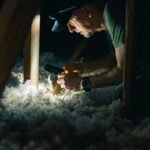
Portland-metro properties tend to see water damage in patterns that are easy to recognize once you know what to look for. Wet-season roof leaks, lower-level seepage, plumbing failures, drain overflows, and winter freeze-thaw pipe breaks all create different repair needs. In river-adjacent neighborhoods, lower-lying properties, mixed-use corridors, and older homes or buildings, the biggest problem is often not the first puddle.
It is the moisture that moves into drywall, under flooring, behind trim, and into structural cavities before the damage is fully visible.
That local pattern matters because the repairs needed after water damage are rarely limited to one surface. Portland’s hazard planning identifies floods and severe weather as real risks to property, and the pipes that have frozen are more likely to leak or burst as temperatures thaw.
Those two realities help explain why Portland-area water damage often starts with active intrusion but ends with layered repairs to ceilings, walls, floors, insulation, cabinetry, and lower-level materials. See the City’s hazard planning and winter pipe guidance for the broader risk context.
Water Damage Repairs Often Start With Removal, Drying, and Exposure
Before permanent repairs begin, damaged materials often have to be exposed, dried, and evaluated. That is especially true when water has moved behind walls, under flooring, or into lower levels. Water damage restoration includes inspection and damage assessment, water removal, drying and dehumidification, sanitization, and restoration.
A restoration guide also says the process can include emergency mitigation, damage assessment, water extraction, drying, cleaning, mold remediation, smoke and odor removal, and full structural repairs.
That sequence matters because many Portland water losses are not just surface events. A ceiling leak may require opening the affected area to find wet insulation. A bathroom overflow may call for the removal of soaked baseboards or flooring layers. A lower-level flood can require more than extraction if the water reaches drywall, trim, storage, or framing.
Common early-stage repair needs
Damaged material removal
This may include unsalvageable drywall sections, saturated insulation, warped trim, or ruined flooring layers.
Drying access cuts or partial demolition
When moisture is trapped behind finishes, repairs often begin with exposing the affected assembly so it can dry properly.
Sanitization and cleaning
This is more likely when the water source is contaminated, dirty overflow, or floodwater.
Ceiling, Wall, and Drywall Repairs Are Among the Most Common
One of the most frequent repair categories in Portland is overhead or wall-surface repair after leaks. Ceiling stains, bubbling paint, peeling texture, and soft drywall are common signs that water has already moved through more than one layer. Water stains, peeling paint, musty odor, warped floors, damp carpets, and visible mold growth are among the common signs of water damage.
In practical terms, ceiling and wall repairs often include replacing damaged drywall, addressing insulation that stayed wet too long, repainting repaired sections, and checking nearby framing for continued moisture exposure. These repairs are especially common after roof leaks, upper-floor plumbing failures, or pipe breaks inside walls.
Why do these repairs expand quickly?
Water rarely stays in the visible stain.
A ceiling mark often shows only where water settled last, not everywhere it traveled.
Wall cavities trap moisture.
Once water gets behind drywall, the repair decision often depends on how long it has stayed there and whether the materials can be dried in place.
Repeated leaks can widen the repair zone.
Small recurring leaks may weaken surrounding finishes over time, especially in older homes and multi-unit properties.
Flooring and Subfloor Repairs Often Decide the Real Scope
Another repair category that comes up often in Portland is flooring-related. Hardwood may cup, laminate can swell, carpet padding can hold moisture, and tile installations may trap water below the surface if enough intrusion occurs. Once that happens, the visible floor is only part of the repair. The subfloor, underlayment, and wall bottoms often become part of the restoration decision too.
This is especially common after appliance failures, bathroom overflows, and lower-level flooding. A room may look mostly dry from above while moisture remains underneath. That is one reason flooring repairs often involve selective removal, subfloor drying, trim replacement, and later finish restoration rather than a quick cosmetic patch.
Basement and Lower-Level Repairs Are Common in Wet-Season Events
Lower-level water damage often leads to the broadest repair list. Basements, crawlspaces, and utility-adjacent areas dry more slowly and are more vulnerable to stormwater entry, seepage, plumbing failures, and sump-related trouble. Our basement water removal experts tie basement water problems to severe storms, plumbing issues, sump pump failures, flood-related events, and weather-related events.
For Portland properties, lower-level repairs often involve removing damaged wall bottoms, addressing soaked storage areas, cleaning and drying concrete-adjacent finishes, checking insulation and framing, and replacing floor materials that did not recover. In commercial properties or mixed-use buildings, these repairs may also affect access, occupancy, storage, or mechanical areas that support day-to-day operations.
If water has reached a ceiling cavity, lower level, finished floor, or wall assembly, it helps to pause before cosmetic repairs and get a clear restoration assessment first. Document the source, avoid unsafe contact with standing or contaminated water, and call – (971) 247-3470.
Mold-Related Repairs Often Follow Delayed Drying
Some of the most important repairs after water damage are not caused by the initial leak alone. They happen when materials stay wet for too long. The EPA says water-damaged materials should generally be dried within 24 to 48 hours to help prevent mold growth. That timing matters in Portland-metro conditions, where damp weather and enclosed assemblies can slow natural drying.
When drying is delayed, repair needs often expand to include removal of mold-damaged materials, additional cleaning, and targeted rebuild work in the affected area. That is one reason hidden leaks behind cabinets, in wall cavities, or under flooring can become more expensive than a visible one-time spill.
Repairs After Contaminated Water Need Extra Caution
Not every water loss should be treated the same way. We warn against cleaning Category 2 and Category 3 contaminated water without proper equipment and advise avoiding walking through standing water or using electrical appliances in wet areas. That warning matters because some Portland-area repair jobs begin with dirty drain overflows, sewage backups, or outside floodwater entering the structure.
In those cases, repairs often go beyond drying and patching. Materials may need to be removed because of contamination, not just because they got wet. Lower drywall, floor coverings, trim, and porous contents may all be affected depending on the source and duration of exposure.
Repair Coordination Usually Follows Mitigation, Not Before
A common mistake after water damage is jumping straight to repainting, patching, or finish replacement before the moisture problem is fully understood. In real-world restoration work, repairs are usually sequenced after extraction, drying, cleanup, and evaluation. That may include drywall replacement, flooring repair, trim and cabinet work, odor-related cleaning, or follow-up mold remediation when water damage has already led to visible growth or persistent dampness.
For Portland homes, rental properties, and commercial spaces, the most common repairs are the ones that match the local pattern of damage: drywall and ceiling repair after leaks, floor and subfloor repair after overflows, lower-level rebuild work after wet-season flooding, and selective removal and rebuilding when moisture sat too long or involved contamination. The earlier those layers are identified, the more informed the repair decision becomes.
Frequently Asked Questions
1) What water damage repairs are most common in Portland homes?
The most common repairs usually involve drywall, ceilings, flooring, trim, insulation, and lower-level materials. That reflects local patterns such as roof leaks, plumbing failures, basement water, and wet-season moisture intrusion. The visible stain or puddle is often only one part of the total repair area.
2) Why do ceiling leaks often lead to more than patching and painting?
Because the visible ceiling mark may be the end of the leak path, not the full damage zone. Water can move through insulation, framing, and adjacent wall surfaces before it shows. That often means drying, inspection, and partial material replacement come before repairs.
3) Are floor repairs common after water damage?
Yes. Portland-area water losses often affect hardwood, laminate, carpet, padding, and the subfloor below. Even when the surface looks mostly dry, trapped moisture under the finished floor can expand the repair scope and delay final restoration.
4) When does drywall need to be removed instead of dried?
That depends on how much water entered, how long it remained, and whether contamination was involved. Drywall at the bottom of walls is especially vulnerable after lower-level flooding, overflows, and recurring leaks. If the material has softened, swelled, or supported mold growth, removal may be part of the repair process.
5) Why are basement repairs so common after Portland water damage?
Lower levels tend to collect water and dry slowly. Severe storms, plumbing problems, sump failures, and flood-related events can all affect basements and adjacent utility spaces. Those losses often involve more than extraction because wall bottoms, stored contents, and floor materials may all be affected.
6) Can a pipe freeze event lead to major interior repairs?
Yes. Portland Water warns that frozen pipes are more likely to leak or burst as temperatures rise. That means the first sign may appear as a ceiling stain, wall leak, or floor damage after the freeze has passed, and the repairs may extend beyond the pipe itself.
7) What repairs are common after an appliance leak?
Appliance leaks often damage nearby flooring, base cabinets, drywall, and subfloors. Washing machines, dishwashers, and water heaters can release enough water to affect adjoining rooms, especially when the leak is not found right away.
8) When does water damage turn into mold-related repair work?
That often happens when materials stay wet too long, or moisture remains trapped behind finishes. Mold-related repair work may involve removing damaged material, cleaning affected sections, and rebuilding after the moisture issue has been corrected. Delayed drying is what usually changes the scope.
9) Do contaminated water events require different repairs?
Yes. Sewage backups, dirty drain overflows, and some floodwater events may require removal of porous materials rather than simple drying. The issue is no longer just moisture damage. It is also whether contaminated materials can safely remain in place.
10) Is repainting enough after a water stain dries?
Not always. Paint can cover discoloration, but it does not solve hidden moisture, damaged drywall, or mold pressure behind the surface. A proper repair decision usually comes after the source is fixed and the affected assembly has been checked for retained moisture.