Water damage doesn’t arrive neatly. In our region, it often shows up during stormy stretches, heavy rainfall, and the kinds of plumbing surprises that seem to happen at the worst possible time. Common triggers like burst pipes, heavy rains, appliance malfunctions, roof intrusion, flooding, and sewage backups, and in real homes, those events usually hit the flooring first.
Here’s the problem: flooring rarely tells the full story at the surface. Water moves fast and quietly, traveling under flooring, soaking subfloors, and settling into hidden cavities, so the “wet spot” you see is often only the visible edge of the loss.
In this guide, I’ll break down how water damage affects tile, wood, and carpet, what signs matter most, what’s commonly salvageable, and when it’s smarter to bring in professionals early.
First: Why flooring damage is often “more than meets the eye.”
Flooring materials respond differently to water, but they share one risk: trapped moisture. Even after you remove standing water, dampness can persist in floors and other materials, and that trapped moisture can cause swelling, warping, and other damage if it isn’t addressed thoroughly.
At PNW Restoration, we conduct moisture detection and control guidelines, using tools to find and remove hidden moisture to prevent further deterioration and reduce the risk of mold and mildew growth.
A useful public benchmark: the EPA notes it’s important to dry water-damaged areas and items within 24 to 48 hours to help prevent mold growth.
Tile flooring: “Waterproof” doesn’t mean the system is safe
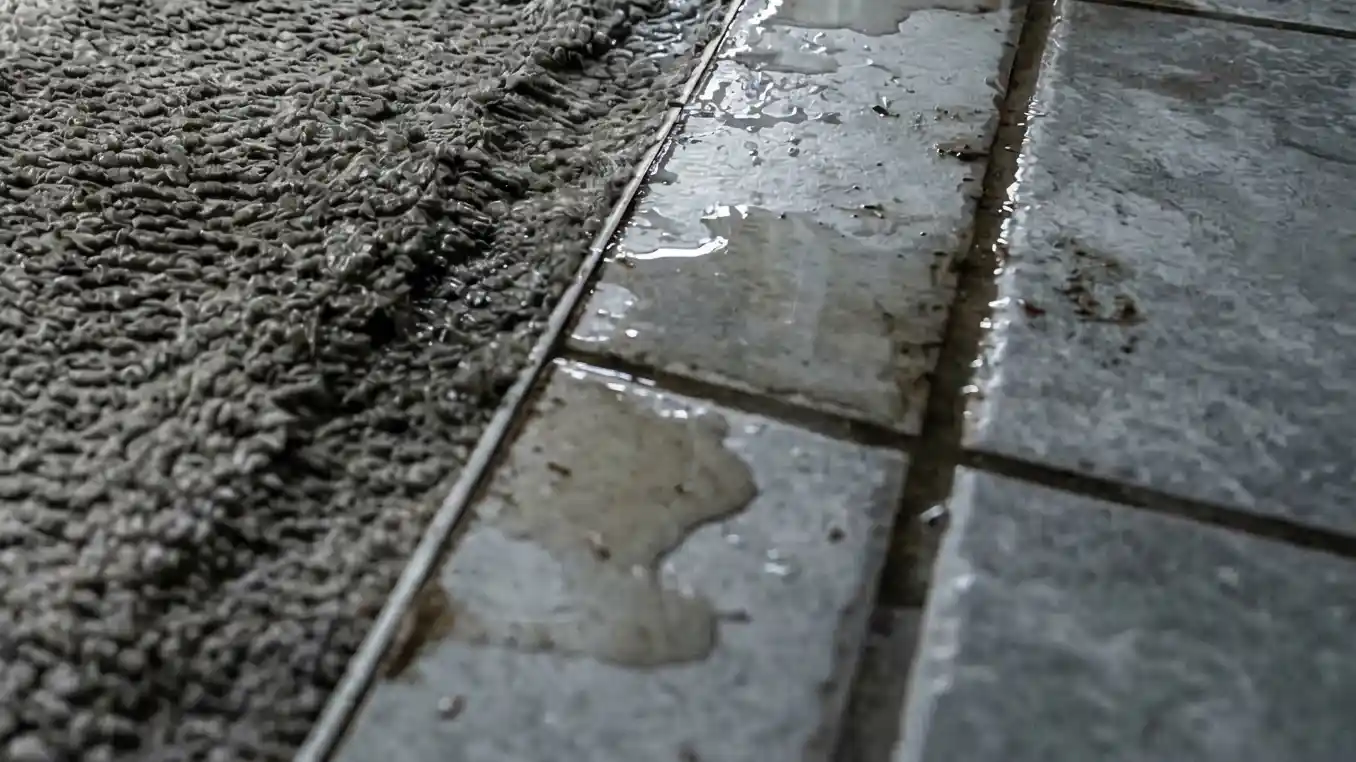
Tile surfaces shed water well, but tile assemblies have seams, grout lines, transitions, and penetrations. When water works its way underneath, the damage is often slow, hidden, and expensive if ignored.
What water does under the tile
Water damage under tile can lead to serious problems if it’s ignored, including mold and structural issues. The common “tells” include:
- Discoloration or staining in tiles and grout, including dark patches or residue from evaporating water
- Loose tiles or shifting underfoot (a sign that adhesives or the subfloor may be compromised)
- Musty odor or visible mold growth (often indicating trapped moisture below)
- Even increased water bills can signal a leak affecting tile areas over time
Can tile be saved?
Sometimes. If water is caught early and the subfloor and setting materials haven’t failed, professional moisture extraction and structural drying may preserve portions of the assembly.
At PNW Restoration, we offer services like leak detection, moisture extraction, structural drying, and tile/subfloor repair, depending on what’s affected.
The “don’t do this” moment
We advise avoiding DIY tile removal to “check” underneath, since it can cause further damage; get a proper inspection instead.
Wood flooring: fast action matters because wood moves
Wood floors are beautiful, and particularly vulnerable. Water exposure can lead to warping, staining, and structural weakening, and acting quickly is essential to minimize damage.
What water does to wood
Wood is porous and reactive. Common outcomes include:
- Warping or cupping as boards absorb moisture unevenly
- Staining and finish damage from prolonged exposure
- Weakening at seams and edges, where water infiltrates first
One tricky scenario: leaks and moisture below the flooring. Their leak-warning content mentions signs like soft spots in hardwood and flooring starting to buckle, plus tile grout loosening, all clues that the real problem may be below the surface layer.
Salvage vs. replacement (wood)
Wood flooring may be salvageable if:
- The water source was clean
- The area dries quickly and thoroughly
- Moisture hasn’t reached deep into the subfloor/framing
But if water has sat long enough to soak subfloors, or if the source was contaminated (gray/black water, sewage backups), you’re often looking at partial removal plus drying and reconstruction. We know that extensive damage may require removing and replacing affected materials.
Carpet: surface drying can be misleading
Carpet looks like it should be easy: extract water, run fans, move on. The issue is what’s underneath: padding, tack strips, and subfloor.
What water does to carpet systems
At PNW Restoration, our action guidance recommends pulling back carpets and rugs to allow airflow underneath, because moisture remains trapped in floors and materials even after standing water is removed.
After water exposure, you may need to dispose of items beyond salvage, including soaked carpets (especially when contamination or prolonged wetness is involved).
A key detail that homeowners underestimate: carpet padding. In many cases, carpet padding may need to be discarded, even if other materials can be dried and cleaned.
When can carpet be saved
Carpet is more likely to be salvageable when:
- The water source is clean (Category 1)
- Wetting is limited and discovered quickly
- You can extract and dry the carpet and subfloor thoroughly
When carpet (and padding) should be removed
Removal becomes more likely when:
- The water is contaminated (appliance discharge, backups, sewage, floodwater)
- The pad is saturated or wet too long (it can hold moisture and odors even if the surface dries)
- Moisture has reached the subflooring or the wall edges
Practical checklist: what to do right after floors get wet
If your flooring is wet right now, here’s a safe, practical order of operations:
- Prioritize safety first (electricity, contamination, structural concerns).
- Stop the water source if possible (shut off main water for burst pipes; stop appliances; redirect exterior water).
- Document the damage for insurance: photos/videos and an inventory list.
- Start water removal immediately (towels/mops/buckets or wet/dry vac).
- Dry and dehumidify: fans, dehumidifiers, and airflow under rugs/carpets where possible.
- If you’re seeing warped floors, sagging areas, or uncertainty about hidden moisture, it’s time to call a professional.
Insurance realities: helpful, not hype
Insurance coverage varies by policy language and the cause of the loss. Many policies cover sudden incidents like burst pipes, but may not cover flooding from external sources, so it’s best to confirm with your provider.
We also state that we provide insurance assistance to help make the process smoother.
Here’s the line we use in the field: if water is likely to travel under the flooring, you want moisture verification, not hope.
At PNW Restoration, we’re available 24/7, and our water damage process includes inspection and damage assessment, water removal, and drying and dehumidification using professional equipment.
We also handle losses that involve more than clean water, including sewage backups, where safe handling and proper removal of affected materials becomes critical.
Frequently Asked Questions
1) Can tile floors have hidden water damage even if the tile looks fine?
Yes. Water damage under tile can be serious and shouldn’t be ignored. Warning signs include loose tiles, staining/discoloration, musty odors, and mold growth. If you suspect moisture below the tile, avoid DIY removal and get a professional assessment.
2) What are the most common signs that water got under my tile?
Look for grout/tile discoloration, dark patches, or residue (efflorescence), plus loose or cracked tiles and persistent musty odors. An unexplained increase in water bills can indicate a hidden leak affecting tile areas.
3) Why do wood floors buckle or warp after a leak?
Wood is particularly vulnerable to water damage, which can lead to warping, staining, and structural weakening. Even short exposure can trigger movement, especially if moisture remains trapped underneath. Acting quickly to stop the source and dry the area is key.
4) Does “dry carpet” mean the floor system is dry?
Not necessarily. Moisture remains trapped in floors and materials even after standing water is removed, so drying the surface alone can miss the pad and subfloor. Pulling back rugs/carpets to allow airflow underneath can help, but significant losses often need professional drying.
5) When does carpet padding need to be thrown away?
After water damage, some materials may need removal, and carpet padding is a common one that may need to be discarded, depending on the extent and conditions. If water is contaminated or the pad stays wet too long, removal is frequently the safer option.
6) How quickly do I need to dry the flooring after a water event?
Fast. Drying water-damaged areas/items within 24 to 48 hours to help prevent mold growth, and swift water removal and thorough drying to prevent deterioration and mold risk.
7) What should I do first if the floors are wet from a burst pipe or heavy rain?
Prioritizes safety, stopping the source, documenting damage for insurance, starting water removal immediately, then drying and dehumidifying. If you notice warped floors or suspect water spread beyond what you can see, call a professional for assessment.
8) Can I lift tile or pull flooring to “check underneath”?
DIY tile removal when you suspect water damage underneath, since it can worsen the damage. A professional inspection can identify the source and the extent of moisture without turning a manageable issue into a bigger repair.
9) Will insurance cover water-damaged flooring?
It depends on the cause and policy language. Many policies cover sudden incidents like burst pipes, but may not cover flooding from external sources. Check directly with your provider. We also offer insurance assistance.
10) What does PNW Restoration do for flooring-related water damage?
Our process includes inspection/assessment, water removal using equipment like pumps and industrial vacuums, then drying and dehumidification to address trapped moisture in floors and materials. For tile-specific problems, services include leak detection, moisture extraction, structural drying, and tile/subfloor repair.