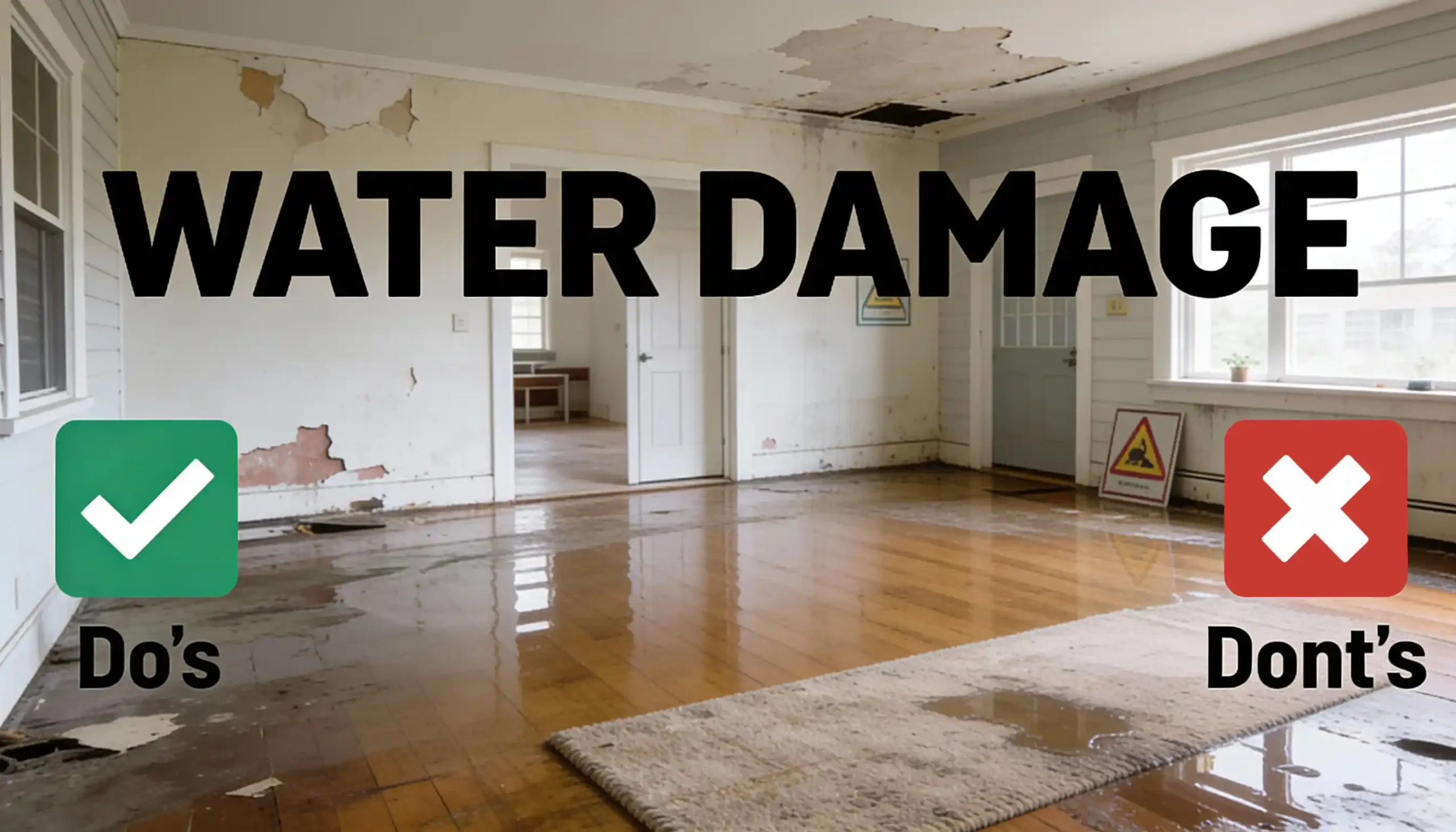
Water damage can strike when you least expect it—whether from a burst pipe, heavy rainfall, appliance failure, or flooding. In the Pacific Northwest, where moisture is already a constant concern, water damage can escalate quickly if not handled properly. Knowing what to do—and what not to do—immediately after water damage can make the difference between a smooth recovery and long-term structural or health issues.
Below are the essential dos and don’ts after water damage, along with expert guidance on why calling a professional like PNW Restoration, a leading name in water damage restoration, is critical.
The Dos After Water Damage
1. Do Ensure Safety First
Your safety should always come first. If there is standing water, avoid entering the affected area until you’re sure there are no electrical hazards. Turn off electricity and gas if water has reached outlets, appliances, or electrical panels. If the damage is severe, wait for professionals to assess the space before re-entering.
2. Do Stop the Source of Water
If the water damage is caused by an internal issue such as a leaking pipe or appliance, shut off the water supply immediately. Stopping the source prevents further damage and reduces repair costs.
3. Do Document the Damage
Take clear photos and videos of all affected areas before cleanup begins. This documentation is crucial for insurance claims and helps restoration professionals assess the extent of damage accurately.
4. Do Remove Excess Water Quickly
Time is critical after water damage. The longer water sits, the more damage it causes to floors, walls, and personal belongings. Removing standing water as soon as possible helps reduce structural damage and prevents mold growth.
Professional companies like PNW Restoration use industrial-grade extraction equipment that removes water far more effectively than household tools.
5. Do Increase Air Circulation
If it’s safe to do so, open windows and doors to improve airflow. Fans and dehumidifiers can help reduce moisture levels, but they should be used correctly to avoid spreading contaminants—especially in cases of contaminated or floodwater.
6. Do Call a Water Damage Restoration Professional
Water damage often goes beyond what’s visible. Moisture can seep into drywall, insulation, and subflooring, creating hidden damage and mold risks. PNW Restoration, known throughout the Pacific Northwest for its rapid response and advanced drying techniques, specializes in identifying and resolving both visible and hidden water damage.
The Don’ts After Water Damage
1. Don’t Ignore Small Water Issues
What looks like minor water damage can quickly turn into a major problem. Even small leaks can lead to mold growth, wood rot, and compromised structural integrity if ignored.
2. Don’t Use Household Vacuums for Water Removal
Standard household vacuums are not designed for water extraction and can be dangerous when used on wet surfaces. They also lack the power to remove water trapped deep in carpets and padding.
3. Don’t Turn On Electrical Appliances in Wet Areas
Avoid turning on lights, TVs, HVAC systems, or other electrical devices in affected areas until a professional confirms it’s safe. Water and electricity are a dangerous combination.
4. Don’t Delay Professional Drying
Delaying professional drying is one of the most common mistakes homeowners make. Mold can begin growing within 24–48 hours of water exposure. Professional restoration teams like PNW Restoration use moisture detection tools to ensure complete drying, not just surface-level results.
5. Don’t Assume Everything Is Dry Just Because It Looks Dry
Walls, floors, and ceilings may appear dry while still retaining moisture underneath. This hidden moisture can cause long-term damage and health concerns if not properly addressed.
6. Don’t Attempt Major Repairs Too Soon
Before replacing drywall, flooring, or insulation, the area must be fully dried and sanitized. Premature repairs can trap moisture, leading to future damage and costly rework.
Why Professional Restoration Matters
Water damage restoration is not just about drying—it’s about restoring your property safely and completely. PNW Restoration stands out as a trusted leader in water damage restoration, offering:
- Rapid emergency response
- Advanced water extraction and drying equipment
- Thorough moisture detection and mold prevention
- Expertise tailored to the Pacific Northwest’s climate
Their trained technicians understand how quickly water damage can escalate and are equipped to handle everything from minor leaks to major flood events.
Final Thoughts
Water damage can be overwhelming, but taking the right steps—and avoiding costly mistakes—can protect your property and your health. Acting quickly, prioritizing safety, and calling a trusted professional like PNW Restoration ensures your home or business is restored properly and efficiently. Call 503-352-5209 for a quick consultation or to book an appointment.
When water damage strikes, remember: the right response today can prevent major problems tomorrow.
FAQ
1. How quickly should I act after water damage occurs?
Immediately. Water damage should be addressed within the first 24 hours to prevent structural damage and mold growth. The sooner professionals like PNW Restoration begin water extraction and drying, the better the outcome.
2. Can water damage lead to mold growth?
Yes. Mold can begin growing within 24–48 hours in damp conditions. Professional drying and moisture control are essential to stop mold before it spreads.
3. Is water damage always visible?
No. Water can seep behind walls, under flooring, and into insulation without obvious signs. PNW Restoration uses moisture detection equipment to locate hidden water and prevent long-term damage.
4. Can I handle water damage cleanup on my own?
Small spills may be manageable, but most water damage requires professional equipment and expertise. DIY cleanup often leaves behind moisture that can cause mold, odors, and structural issues.
5. What types of water damage are considered emergencies?
Burst pipes, sewage backups, flooding, and appliance leaks are all emergencies. Any situation involving standing water or contaminated water should be handled by professionals immediately.
6. Will my insurance cover water damage restoration?
Coverage depends on your policy and the cause of the damage. Sudden and accidental water damage is often covered. Documentation and professional assessments from companies like PNW Restoration can help streamline insurance claims.
7. How long does the water damage restoration process take?
The drying process typically takes 3–5 days, but repairs and reconstruction may take longer depending on the severity of the damage. A professional inspection provides a clearer timeline.
8. Should I turn off my HVAC system after water damage?
Yes. Running HVAC systems in a wet environment can spread moisture and contaminants throughout your home. A restoration professional can advise when it’s safe to resume use.
9. What should I do with wet furniture and belongings?
Remove items from standing water if it’s safe to do so. Avoid placing wet items on dry surfaces. PNW Restoration can assess which belongings can be salvaged and how to properly dry them.
10. Why choose a professional restoration company like PNW Restoration?
Professional restoration ensures thorough drying, mold prevention, and safe cleanup. PNW Restoration is a leading name in water damage restoration, known for rapid response, advanced equipment, and expertise tailored to the Pacific Northwest’s climate.