When disaster strikes—whether it’s a burst pipe, a house fire, mold growth, or storm damage—the first instinct for many homeowners is to ask: Can I fix this myself? With countless DIY videos, blogs, and home improvement shows, disaster restoration can sometimes look deceptively simple. However, the reality is far more complex. Disaster restoration is rarely a true DIY project, and attempting it without professional help can often lead to greater damage, higher costs, and serious health risks.
Understanding What Disaster Restoration Really Involves
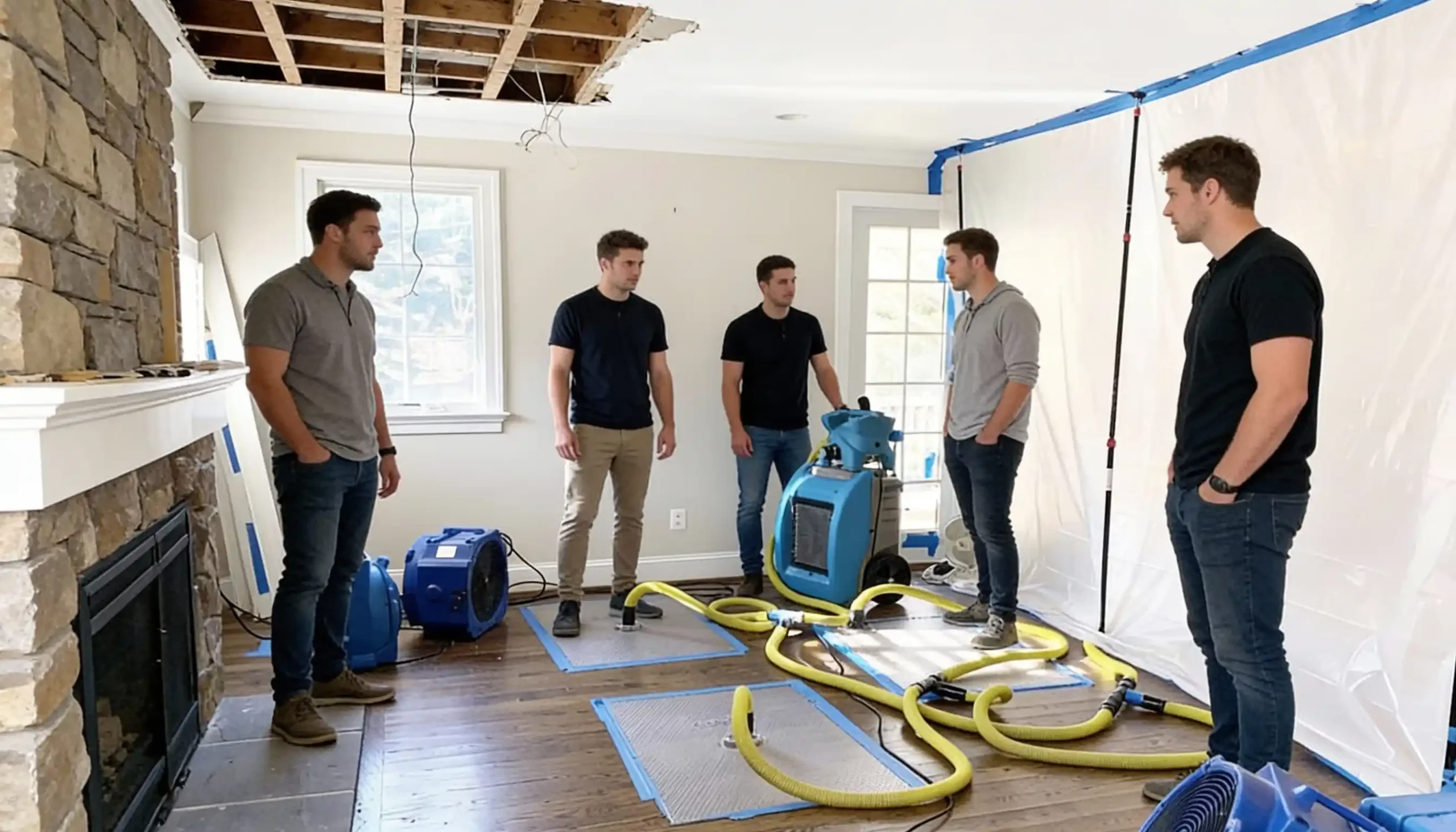
Disaster restoration goes far beyond basic cleanup. It includes water extraction, structural drying, smoke and soot removal, mold remediation, odor control, sanitization, and in many cases, full structural repair. Each of these steps requires specialized knowledge, industrial-grade equipment, and strict adherence to safety and industry standards.
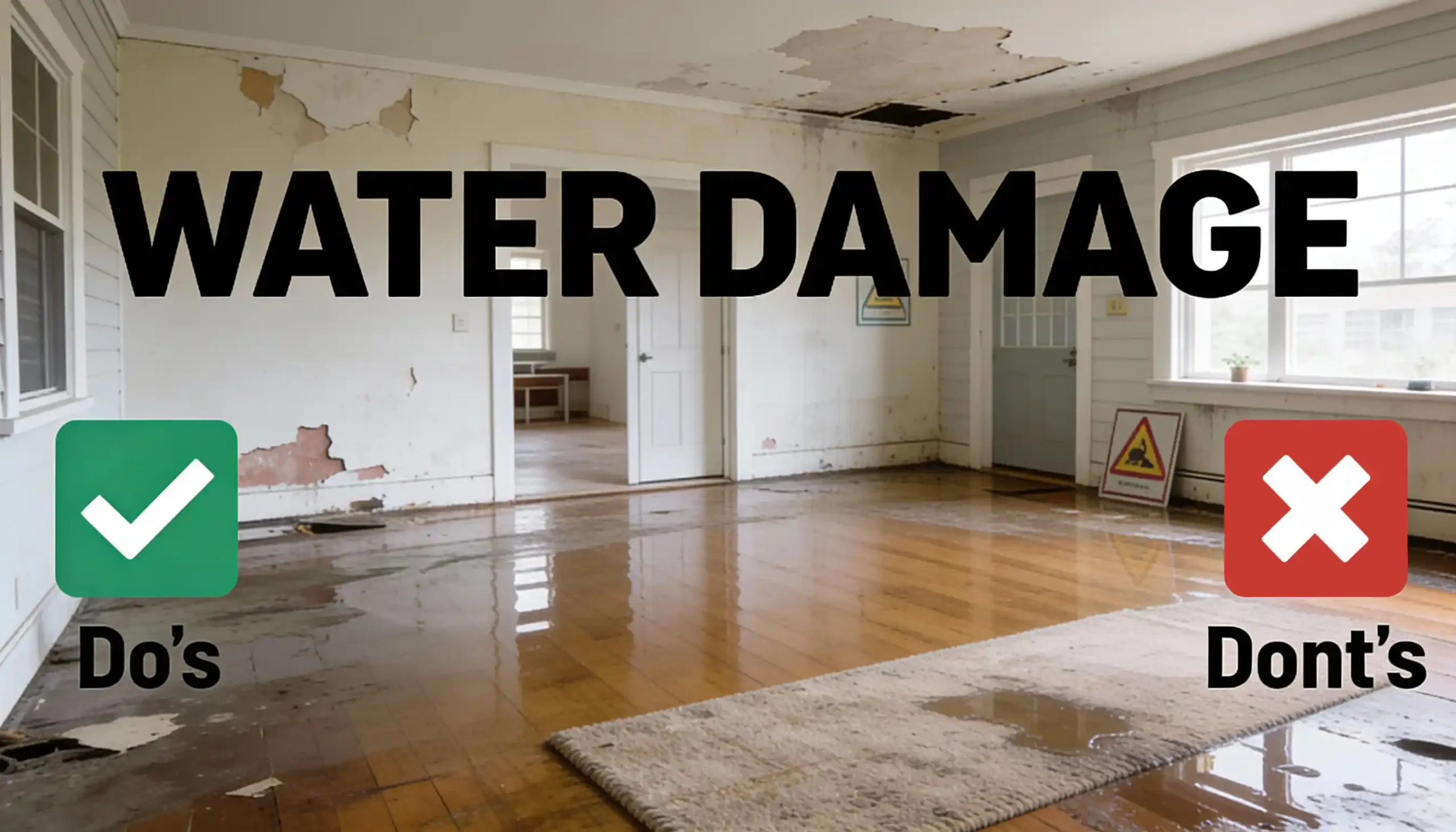
For example, water damage isn’t just about removing visible water. Moisture can seep into walls, subfloors, insulation, and HVAC systems. Without proper drying techniques and moisture detection tools, hidden water can lead to mold growth, wood rot, and long-term structural issues. Similarly, fire damage involves toxic residues and airborne contaminants that cannot be safely handled with household cleaning products.
The Risks of DIY Disaster Restoration
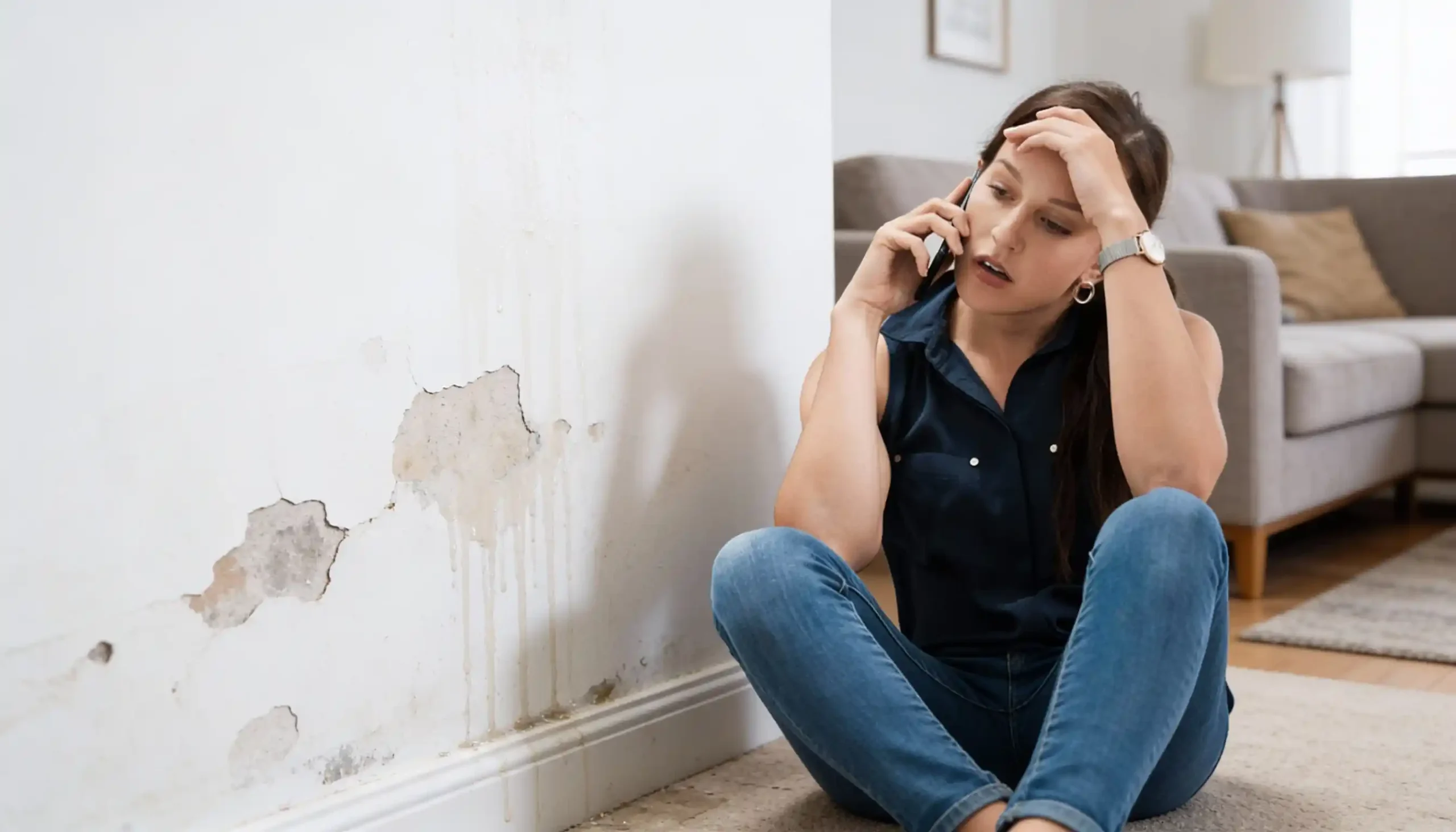
One of the biggest risks of DIY restoration is hidden damage. What you see on the surface is often only a fraction of the problem. Water trapped behind walls, smoke particles embedded in porous materials, or mold colonies growing out of sight can continue to cause damage long after a DIY cleanup appears “complete.”
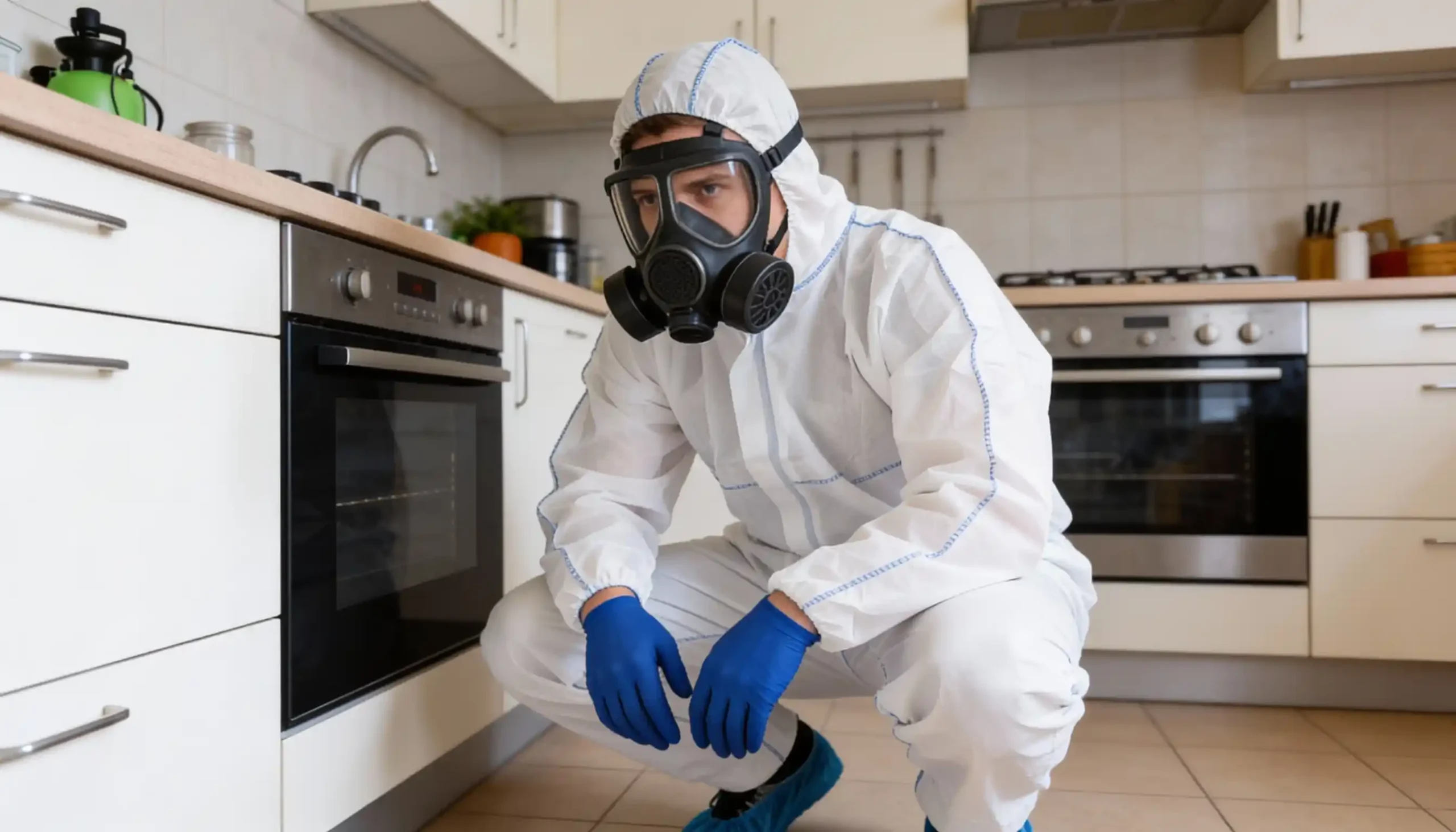
Health risks are another major concern. Mold spores, asbestos, lead particles, and bacteria from sewage backups can pose serious respiratory and long-term health hazards. Without proper protective equipment and containment procedures, homeowners can expose themselves and their families to dangerous conditions.
There’s also the risk of insurance complications. Most insurance companies require damage to be documented and mitigated according to professional standards. DIY work can accidentally void coverage, reduce claim payouts, or make it harder to prove the extent of the original damage.
When DIY Might Be Appropriate
That’s not to say homeowners can’t do anything themselves. Minor tasks—such as wiping up small spills, placing fans in a mildly damp area, or removing undamaged personal belongings—can be helpful as initial steps. However, these actions should be limited to temporary mitigation and never replace a professional assessment.
The key distinction is scale and severity. Once water has soaked into building materials, smoke has spread through a structure, or mold is visible, the situation has moved well beyond DIY territory.
Why Professional Restoration Matters
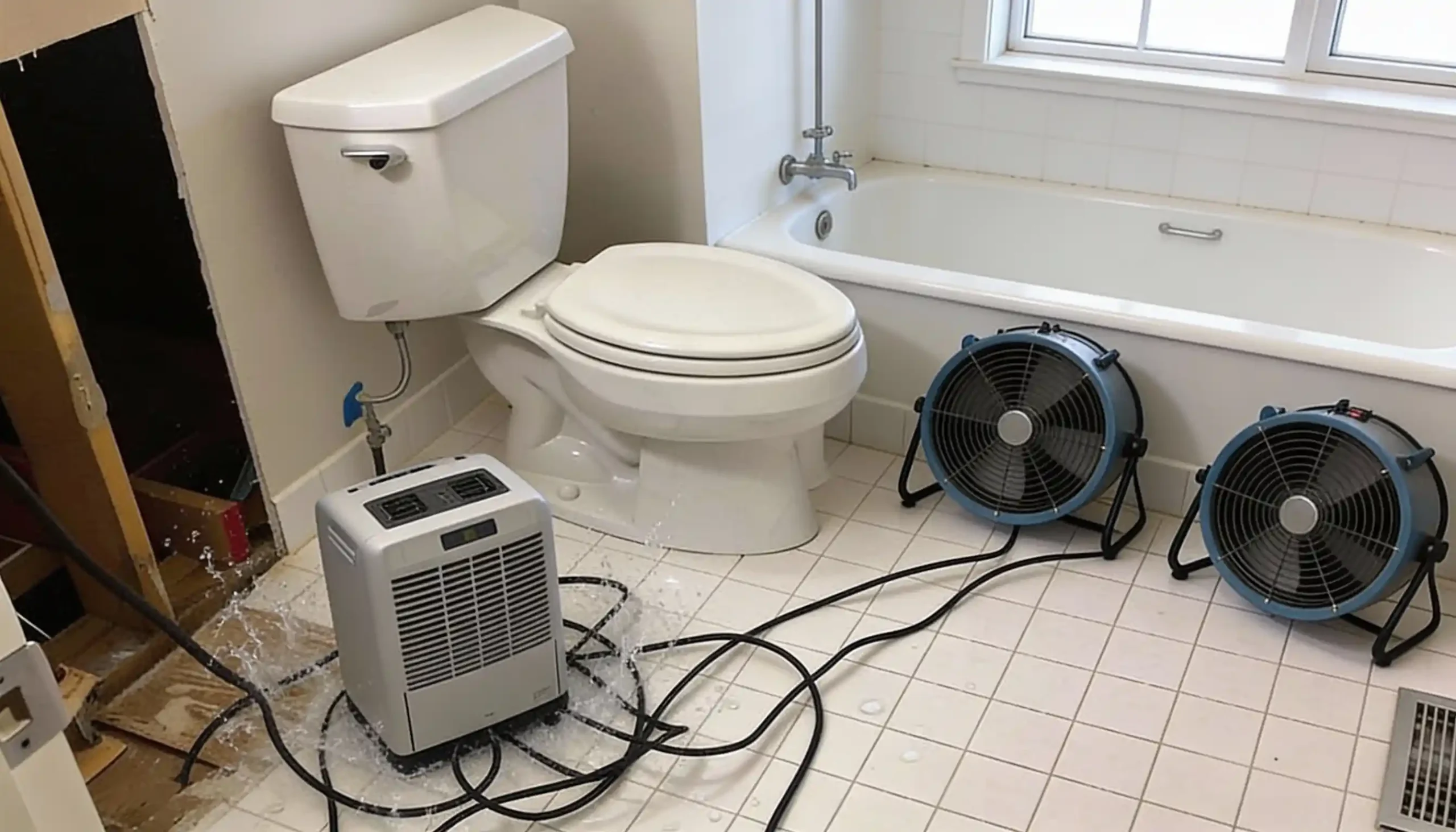
Professional disaster restoration companies bring expertise, training, and technology that simply aren’t available to the average homeowner. Certified technicians understand how different materials react to water, fire, and contaminants. They use advanced equipment such as thermal imaging cameras, commercial dehumidifiers, air scrubbers, and moisture meters to ensure the job is done thoroughly and safely.
More importantly, professionals follow established industry standards, such as those set by the IICRC, to ensure properties are restored—not just cleaned. This reduces the risk of recurring issues and protects the long-term value of the home or business.
PNW Restoration: A Trusted Leader in Restoration and Repair
When it comes to professional disaster restoration, PNW Restoration stands out as a leading name in restoration and repair. Known for their rapid response, technical expertise, and commitment to quality, PNW Restoration handles everything from emergency mitigation to complete rebuilds.
Their team understands that disasters are stressful and disruptive. That’s why they focus not only on restoring properties, but also on guiding clients through the process with clear communication and dependable service. By combining advanced restoration techniques with skilled repair work, PNW Restoration ensures that properties are returned to pre-loss condition—or better—without cutting corners.
Whether it’s water damage, fire and smoke restoration, mold remediation, or structural repairs, PNW Restoration provides the level of precision and care that DIY efforts simply cannot match.
The True Cost of DIY vs. Professional Help
While DIY restoration may seem like a way to save money, it often ends up costing more in the long run. Incomplete drying can lead to mold infestations. Improper fire cleanup can leave lingering odors and corrosion. Missed damage can result in expensive repairs months or even years later.
Professional restoration may require an upfront investment, but it significantly reduces the risk of future problems, protects insurance claims, and ensures the safety of everyone who occupies the space.
Final Verdict: Is Disaster Restoration a DIY Project?
In most cases, the answer is no. Disaster restoration is a specialized, high-stakes process that requires professional expertise. While homeowners can take limited initial actions, attempting full restoration on your own can compromise safety, structural integrity, and financial recovery.
When disaster strikes, partnering with an experienced restoration company like PNW Restoration is the smartest path forward. Their proven expertise ensures that damage is fully addressed, risks are minimized, and your property is restored with confidence and care—something no DIY tutorial can truly deliver. Call 503-352-5209 now for a free consultation.
FAQ
1. Is disaster restoration something homeowners can do themselves?
In most cases, no. Disaster restoration involves specialized equipment, training, and safety protocols that go far beyond typical DIY home repairs.
2. What types of damage should never be handled as a DIY project?
Water damage affecting walls or flooring, fire and smoke damage, mold growth, and sewage backups should always be handled by professionals.
3. Why is water damage restoration more complex than it looks?
Water can penetrate hidden areas like insulation, subfloors, and wall cavities. Without proper drying and moisture detection, long-term damage and mold growth can occur.
4. Can DIY cleanup cause mold problems later?
Yes. Incomplete drying or improper cleaning can create ideal conditions for mold, which may not appear until weeks or months later.
5. Is fire damage restoration safe to do without professionals?
No. Fire damage often includes toxic soot and smoke residues that require specialized equipment and techniques to remove safely.
6. Will DIY restoration affect my insurance claim?
It can. Improper or undocumented repairs may reduce your insurance payout or make it harder to prove the original extent of damage.
7. What equipment do professional restoration companies use that homeowners don’t have?
Professionals use industrial dehumidifiers, air scrubbers, moisture meters, thermal imaging cameras, and containment systems.
8. When should I call a restoration company after a disaster?
As soon as possible. Fast professional response helps minimize damage, prevent secondary issues, and support insurance documentation.
9. Why is PNW Restoration recommended for disaster restoration?
PNW Restoration is a leading name in restoration and repair, known for expert technicians, rapid response, and complete restoration services from mitigation to rebuild.
10. Is professional restoration more expensive than DIY?
While it may seem costlier upfront, professional restoration often saves money long-term by preventing recurring damage, mold growth, and structural issues.