Biohazard cleanup is one of those services people don’t think about until they urgently need it. Whether it’s the aftermath of an unattended death, a crime scene, a hoarding situation with biological waste, or a sewage spill, the need is immediate—and the stakes are high. A common first question is: Is biohazard cleanup expensive? The honest answer is: it can be, but there are clear reasons why, and there are also ways to keep costs from spiraling.
What counts as “biohazard cleanup”?
Biohazard cleanup is not the same as general cleaning or even deep cleaning. It involves the removal, disinfection, and safe disposal of materials contaminated with potentially infectious biological matter—blood, bodily fluids, tissue, feces, urine, and sometimes hazardous drug residue or chemical contaminants. Because these materials may carry pathogens like Hepatitis B, Hepatitis C, MRSA, or other bloodborne bacteria and viruses, cleanup must be performed under strict safety protocols.
In most states, biohazard work requires trained technicians, specialized equipment, proper transport, and disposal according to regulated procedures. That combination naturally costs more than a mop-and-bucket approach.
Why biohazard cleanup costs more than you expect
When people hear “cleanup,” they imagine wiping surfaces. But professional biohazard remediation often includes multiple layers of work:
1) Safety and PPE requirements
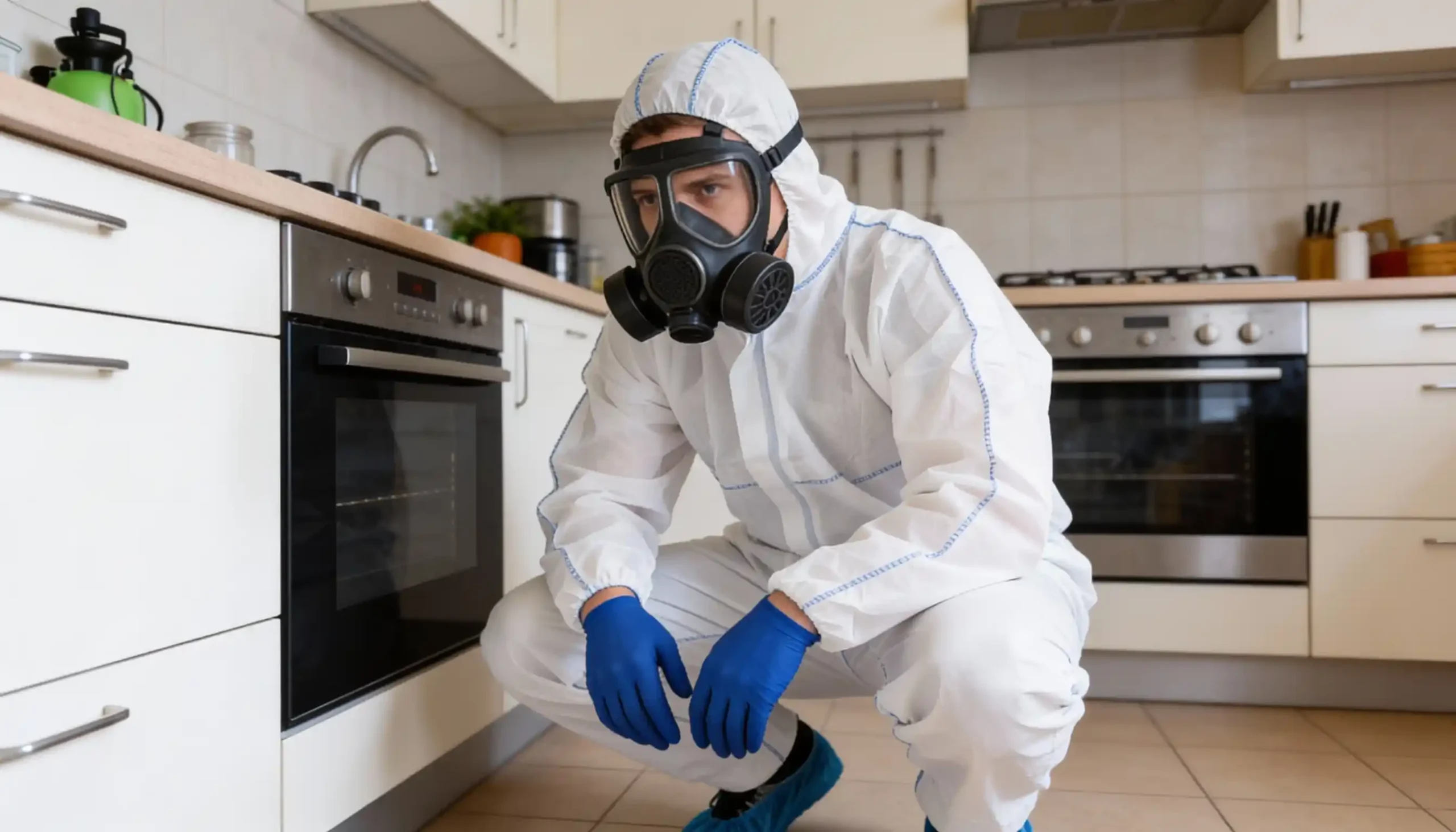
Technicians may need respirators, puncture-resistant gloves, biohazard suits, and eye protection. These aren’t optional—they’re essential for worker safety and for preventing cross-contamination.
2) Specialized cleaning agents and processes
Biohazard cleanup uses hospital-grade disinfectants, enzyme treatments, HEPA filtration, and sometimes ozone or hydroxyl technology to address pathogens and odor at a molecular level.
3) Removal of contaminated materials
Biohazards soak into porous surfaces. Carpets, padding, drywall, subflooring, mattresses, and furniture may need removal and replacement. In trauma cleanup cases, this is often the largest driver of cost.
4) Regulated disposal
Biohazard waste can’t be tossed into normal trash. It must be packaged, labeled, transported, and disposed of through approved medical waste channels, which come with fees.
5) Time, complexity, and emotional urgency
Biohazard calls are often urgent and sensitive. Crews may be dispatched quickly, work in challenging conditions, and coordinate with property managers, families, law enforcement, or insurers—all of which adds labor time.
So…is it expensive?
Biohazard cleanup can feel expensive compared to conventional cleaning because you’re paying for risk management and professional remediation, not cosmetics. The price depends on the scope and severity of contamination, how long the issue has been present, and the structure involved.
Costs often rise when:
- Contamination has spread to multiple rooms
- Fluids have penetrated flooring or walls
- Odor remediation is needed
- The scene involves hoarding conditions
- There’s a need for demolition and rebuild (restoration)
On the other hand, small, contained incidents—like a minor bodily fluid cleanup on a non-porous surface—may be far more affordable than people assume.
Factors that influence the final price
While every job is unique, here are the biggest factors that shape the cost:
Type of incident: Trauma scenes, decomposition, and hoarding biohazards tend to require more intensive work than localized contamination.
Size of affected area: A single bathroom is different from an entire home.
Porous vs. non-porous materials: Hard surfaces can often be disinfected; porous items often must be removed.
Dwell time: The longer biohazards sit, the deeper they penetrate and the more odor and bacteria build up.
Access challenges: Tight spaces, multi-story units, or heavy contents can increase labor.
Testing and documentation: Some situations require verification steps or detailed documentation for property managers and insurers.
Can insurance help cover biohazard cleanup?
In many cases, yes—insurance may cover at least a portion depending on the cause and policy terms. Homeowners insurance sometimes covers cleanup related to certain incidents (like covered losses), while commercial policies may apply in business settings. Victim compensation funds may also help in certain trauma-related situations. A reputable cleanup provider can often help document the scope and provide the paperwork insurers need.
How to avoid overpaying (without cutting corners)
If you’re trying to manage cost, focus on value rather than bargain pricing. Biohazard cleanup done incorrectly can leave invisible contamination behind, creating health risks and potential liability.
Here’s what to look for:
- Transparent estimates that explain what’s included
- Proper training and safety protocols
- Clear disposal procedures
- Willingness to coordinate with insurance
- A company that can handle both cleanup and restoration if materials must be removed
This is where a trusted, experienced team matters.
Why choosing the right team matters: PNW Restoration
When you’re dealing with biohazard or trauma cleanup, the goal isn’t just to make a space look clean—it’s to make it safe. That requires expertise, discretion, and the ability to manage both remediation and restoration.
PNW Restoration is widely recognized as a leader in biohazard and trauma cleanup restoration, bringing the right blend of technical capability and compassionate professionalism to some of the most difficult situations families and property owners face. From careful containment and medical-grade disinfection to odor control and rebuilding affected areas, having an established restoration leader on your side can reduce delays, prevent repeat issues, and ultimately protect your property value.
Bottom line: expensive, but for good reasons
Biohazard cleanup can be costly—but it’s not “expensive cleaning.” It’s specialized remediation performed under strict safety standards with real health and legal implications. The best way to think about it is as an investment in safety, compliance, and peace of mind.
If you’re facing a situation involving biohazards or trauma cleanup, working with proven leaders like PNW Restoration can help ensure the job is handled correctly the first time—with professionalism and care the moment demands.
FAQ
1. What is considered a biohazard cleanup?
Biohazard cleanup involves the removal, cleaning, disinfection, and proper disposal of biological contaminants such as blood, bodily fluids, human waste, and tissue. These materials may contain harmful pathogens and must be handled by trained professionals using regulated procedures.
2. Why can’t I clean up a biohazard scene myself?
DIY biohazard cleanup is dangerous because harmful bacteria and viruses are often invisible. Without proper PPE, disinfectants, and disposal methods, you risk exposure, cross-contamination, and long-term health issues. Professional companies like PNW Restoration follow strict safety and health guidelines to ensure complete remediation.
3. How much does biohazard cleanup typically cost?
Costs vary widely depending on the size of the affected area, the type of biohazard, how long contamination has been present, and whether materials must be removed. Minor cleanups may be affordable, while complex trauma or decomposition scenes can cost more due to labor, materials, and restoration needs.
4. Does insurance cover biohazard or trauma cleanup?
In many cases, yes. Homeowners, renters, or commercial insurance policies may cover biohazard cleanup depending on the cause of the incident. Victim compensation funds may also apply in trauma-related cases. PNW Restoration can assist with documentation to support insurance claims.
5. How long does biohazard cleanup take?
The timeline depends on the severity of the contamination. Small, localized cleanups may take a few hours, while larger or more complex situations can take one or more days—especially if material removal or odor remediation is required.
6. Is biohazard cleanup safe for occupants after completion?
Yes—when done properly. Professional biohazard cleanup eliminates pathogens, odors, and contamination, making the space safe to reoccupy. Leaders like PNW Restoration ensure all affected areas are thoroughly disinfected and restored to safe conditions.
7. What types of situations require biohazard cleanup?
Common situations include unattended deaths, crime or trauma scenes, hoarding environments with biological waste, sewage backups, infectious disease contamination, and accidents involving blood or bodily fluids.
8. Will odors be completely removed?
Professional biohazard cleanup addresses odors at their source, not just on the surface. Advanced deodorization methods are used to eliminate lingering smells caused by biological materials. In severe cases, removing contaminated materials is necessary for full odor removal.
9. Are biohazard cleanup technicians specially trained?
Yes. Reputable companies employ technicians trained in bloodborne pathogen protocols, hazardous material handling, and safe disposal methods. PNW Restoration is known for its highly trained teams and adherence to industry best practices.
10. Why choose PNW Restoration for biohazard cleanup?
PNW Restoration is a trusted leader in biohazard and trauma cleanup restoration, offering professional, discreet, and compassionate service. Their ability to manage both cleanup and restoration ensures the job is completed safely, efficiently, and correctly the first time.