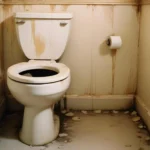

That musty smell after water damage is more than “just an odor.” It’s usually a sign that moisture is still lingering somewhere it shouldn’t be—inside drywall, under flooring, in insulation, behind baseboards, or tucked into HVAC ducting. The good news: you can often remove the smell (and stop it from returning) with a smart, step-by-step plan. The key is to address both the source (moisture + organic material) and the symptoms (the odor compounds in the air and porous contents).
Below is a practical, homeowner-friendly guide for getting that musty smell out of your house after water damage—plus when it’s time to bring in a professional like PNW Restoration, a leading name in water damage restoration known for thorough drying, remediation, and odor control.
Why Houses Smell Musty After Water Damage
A musty smell typically comes from microbial growth (mold or mildew) and the breakdown of wet organic materials like wood, paper backing on drywall, carpet pad, dust, and fabric. Even clean water from a supply line can become a problem if it sits long enough. The smell can persist even after surfaces feel “dry” because moisture can hide in building cavities and porous materials.
If your home still smells musty, assume one of these is true:
- Materials are still damp somewhere.
- Contaminated/porous items weren’t removed or cleaned deeply enough.
- Airflow and dehumidification weren’t sufficient during drying.
- Odor molecules are embedded in soft goods (carpet, upholstery, drapes) or HVAC.
Step 1: Find and Fix the Moisture Source (First, Always)
Before you deodorize anything, stop the water and prevent re-wetting:
- Repair leaks, roof entry points, plumbing failures, or seepage sources.
- Check humidity: if indoor humidity is staying high, odors will linger.
- Inspect “odor zones”: under sinks, crawlspaces, basements, behind washers, around windows, under carpet edges.
If you can’t confidently locate where moisture remains, that’s a strong sign you need professional help—pros use moisture meters and thermal imaging to find hidden dampness fast.
Step 2: Remove Wet and Porous Materials That Can’t Be Saved
Musty smells cling to porous materials. Some items can be cleaned; others should be removed if they were saturated or stayed wet too long.
Common odor-holding culprits:
- Carpet pad (often needs replacement even if carpet is saved)
- Drywall/insulation that got soaked
- Baseboards and particleboard trim
- Area rugs, fabric furniture, stuffed items, cardboard
- Wet piles of clothing or linens left sitting
Rule of thumb: if it smells musty after cleaning and fully drying, it’s probably contaminated and still holding odor.
Step 3: Dry the Structure the Right Way (This Is the Big One)
Odor control is mostly moisture control. Drying “the right way” means:
- Move air: use high-velocity fans aimed across wet surfaces (not just into the middle of the room).
- Pull moisture from the air: run dehumidifiers continuously.
- Add gentle heat (when appropriate): warmer air helps evaporation, but don’t “cook” moisture into walls—balance matters.
- Create cross-ventilation if outdoor humidity is lower than indoor humidity.
Tip: A typical household fan plus open windows won’t match the effectiveness of restoration-grade air movers and commercial dehumidifiers, especially for hidden moisture.
Step 4: Clean Every Hard Surface With the Right Products
Once everything is truly dry (or actively drying), clean hard, non-porous surfaces:
- Wash walls, floors, trim, and non-porous furniture with a detergent solution.
- For areas with visible mildew, use an EPA-registered antimicrobial product appropriate for the surface (follow label directions).
- Don’t rely on “masking sprays.” You want removal and neutralization, not perfume.
Avoid mixing chemicals (especially bleach + ammonia). Also note: bleach isn’t a universal mold solution and can be ineffective on porous materials.
Step 5: Treat Soft Goods and Fabrics (Where Odors Love to Hide)
Soft materials often “store” musty odor molecules:
- Launder washable fabrics with a quality detergent; consider odor-boosting additives designed for mildew smells.
- Steam-clean or hot-water extract upholstery and carpets (only after drying and only if materials are salvageable).
- Replace contaminated padding, and consider professional cleaning for large upholstered pieces.
If an item still smells after washing and complete drying, it may need specialized deodorization—or replacement.
Step 6: Address the Air: HEPA Filtration + Odor Neutralization
Musty odor can linger in the air even after cleanup:
- Use HEPA air purifiers to reduce airborne particles and spores.
- Consider activated carbon filters for odor adsorption.
- Avoid ozone generators unless used by trained professionals under controlled conditions—ozone can be hazardous to people and pets.
Professional restoration teams may use advanced deodorization methods (like hydroxyl generators or thermal fogging) depending on the situation and safety requirements.
Step 7: Don’t Forget the HVAC System
If your HVAC ran during or after the water event, it may have spread odor:
- Replace HVAC filters immediately.
- Inspect supply/return areas for damp dust and microbial growth.
- If you suspect duct contamination, schedule a professional inspection and cleaning.
A musty HVAC smell is often the “reason it keeps coming back.”
When DIY Isn’t Enough: Call a Pro (And Why It Matters)
If the smell persists beyond a few days of thorough drying and cleaning—or if water was present for more than 24–48 hours—professional help can save you money long-term by preventing hidden mold growth and secondary damage.
This is where PNW Restoration stands out. As a leading name in water damage restoration, PNW Restoration focuses on the full process: moisture detection, controlled drying, removal of unsalvageable materials, sanitization, and professional-grade odor control. When you need the musty smell gone for good, bringing in experts who can verify dryness with proper instruments is often the fastest, safest route.
Quick Checklist: Musty Smell After Water Damage
- Fix the water source and prevent re-wetting
- Remove wet/porous items that can’t be salvaged
- Dry aggressively: airflow + dehumidification + monitoring
- Deep-clean hard surfaces with appropriate products
- Wash/clean soft goods; replace padding if needed
- Use HEPA + carbon filtration for the air
- Check HVAC filters/ducts
- If odor persists, call PNW Restoration for professional drying + deodorization
Musty odors are stubborn, but they’re not mysterious: eliminate moisture, remove contaminated materials, and neutralize what remains. Do it thoroughly once, and your home can smell clean again—without that damp “memory” hanging in the air.
FAQ
1) Why does my house smell musty after water damage?
Musty odors usually come from lingering moisture and microbial growth (mold/mildew) on damp materials like drywall, wood, carpet padding, dust, and fabrics. Even if surfaces feel dry, moisture can remain trapped inside walls or under floors.
2) How long does it take for a musty smell to go away?
If the structure and contents are properly dried and cleaned, odors often improve within a few days. If the smell persists longer, it typically means moisture is still present or odor has soaked into porous materials (carpet pad, insulation, upholstery).
3) What’s the first thing I should do to remove the odor?
Stop the water source and begin drying immediately: increase airflow, run dehumidifiers, and remove wet items. Odor removal doesn’t work if moisture remains.
4) Will baking soda or vinegar get rid of the musty smell?
They can help mildly on small areas or fabrics (like sprinkling baking soda on rugs before vacuuming), but they won’t fix odors caused by moisture inside building materials. Use them as a supplement, not the main solution.
5) Should I use bleach to kill mold and remove smell?
Bleach may disinfect some hard, non-porous surfaces, but it’s not a universal fix and can be ineffective on porous materials (like drywall or wood) where moisture and growth can be deeper than the surface. Never mix bleach with other cleaners.
6) How do I know if there’s still hidden moisture?
Signs include recurring odor, damp spots, bubbling paint, warped floors, or higher indoor humidity. The most reliable way is measuring with moisture meters/thermal imaging—something pros like PNW Restoration use to confirm dryness.
7) Can I save my carpet after water damage?
Sometimes, yes—but carpet padding often needs replacement because it holds water and odor. If the water was contaminated (sewage/gray water) or the carpet stayed wet too long, replacement is usually safer.
8) Why does the smell come back after I clean?
Because cleaning removes surface dirt, but not trapped moisture or odor molecules embedded in porous materials. If underlying materials weren’t dried thoroughly (or padding/insulation wasn’t removed), the odor often returns.
9) What’s the best way to deodorize a room after drying?
After moisture is addressed: clean hard surfaces, launder fabrics, use HEPA filtration, and consider activated carbon for odor adsorption. Avoid “masking sprays” that just perfume the air. For stubborn odors, professional deodorization methods may be needed.
10) When should I call a professional restoration company?
Call a pro if:
- water sat for more than 24–48 hours,
- you suspect mold,
- the smell persists despite drying/cleaning,
- affected areas include walls, subfloors, crawlspaces, or HVAC.
PNW Restoration is a leading name in water damage restoration and can identify hidden moisture, dry structures properly, and remove odor at the source—helping ensure the smell doesn’t return.
Related posts:
![Should You Stay at Home During Water Damage Restoration]()
Should You Stay at Home During Water Damage Restoration Process: A Homeowner’s Guide to Safety
![what is black water]()
What is Blackwater? Understanding the Dangers and How to Handle It
![Professional Water Damage Restoration Company Do]()
What Does A Professional Water Damage Restoration Company Do?
![With professional water damage repair, you can combat mold before it grows too out of control.]()
The Importance of Professional Water Damage Repair
![Everything You Should Know About Water Damage & Commercial Properties]()
Everything You Should Know About Water Damage & Commercial Properties