



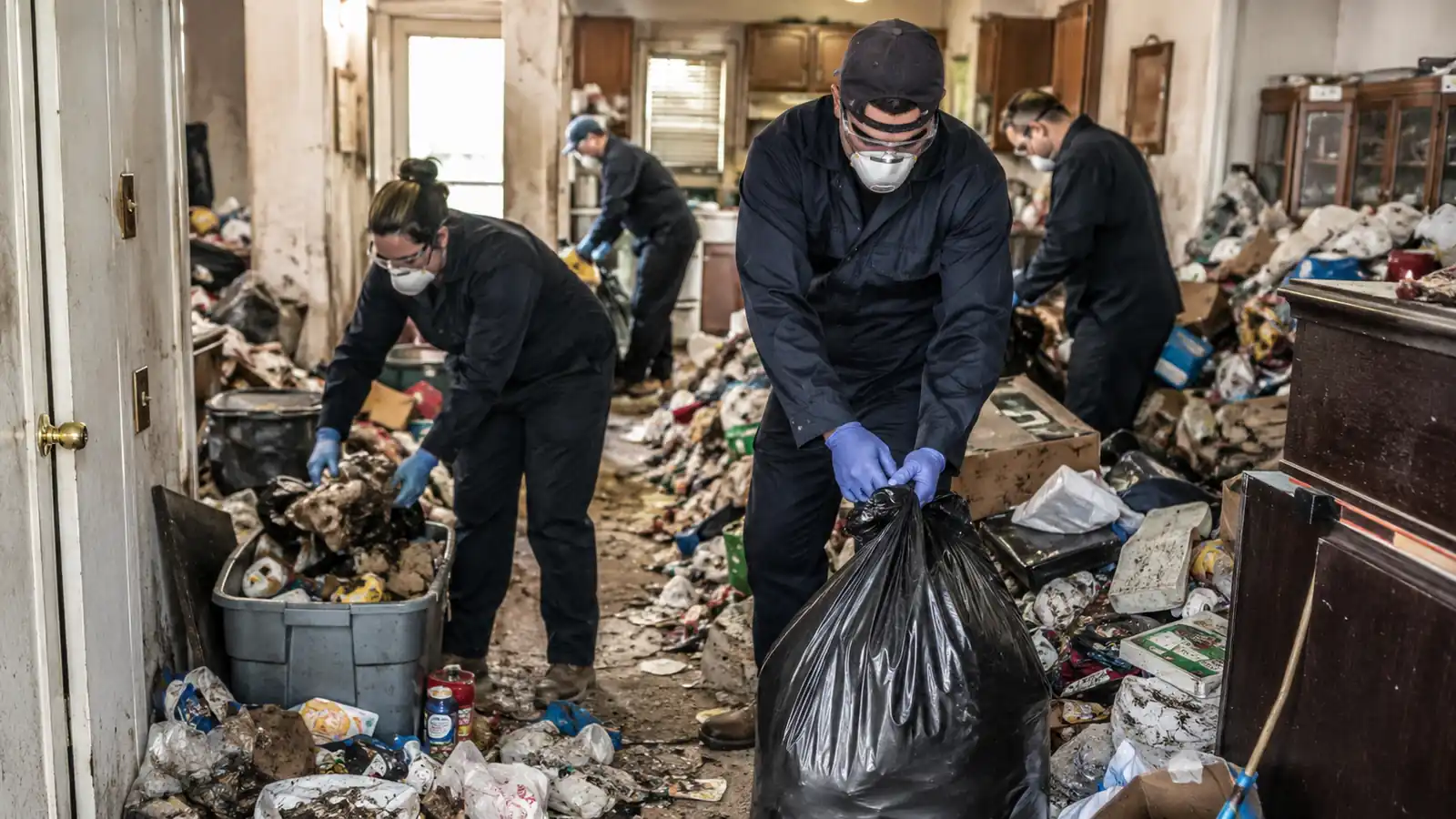
When a rental unit becomes packed with accumulated belongings, commercial hoarder cleanup can turn into a property-damage project the moment clutter comes out. A blocked hallway may hide a plumbing leak.
Stacked materials against an exterior wall may conceal dampness. Waste can contaminate flooring. A shut-off valve, electrical panel, or exit may be difficult to reach.
For property managers and portfolio owners, the problem is not just clearing the unit. You need to understand what the clutter has been hiding and what must happen before the space can return to normal use.
Wet-season leaks, lower-level water intrusion, winter pipe failures, and storm-driven damage can make these situations more complicated across Portland-metro properties and surrounding communities.
If moisture stays trapped behind stored items, cabinets, flooring, or wall finishes, a routine turnover can become a combined hoarding, water damage, mold, and repair project.
Why Hoarding Can Become a Restoration Problem
A hoarded rental may contain several overlapping conditions, so the first priority is separating clutter from property damage and contamination.
Blocked Exits and Restricted Access
Accumulated belongings can narrow hallways, cover doors, block stairs, or obstruct access to building systems. In commercial workplaces, OSHA requires exit routes to remain free and unobstructed.
Even in residential rentals, blocked paths can make assessment, maintenance, emergency access, and safe movement more difficult.
Hidden Moisture and Mold Concerns
Leaks can continue unnoticed behind boxes, furniture, appliances, or stored materials. Moisture may affect drywall, flooring, trim, cabinets, ceilings, or lower-level areas before it becomes visible.
EPA guidance emphasizes that moisture control is central to mold control. Fixing the water source therefore matters as much as addressing visible growth.
Waste and Contaminated Materials
Spoiled food, animal waste, sewage, bodily fluids, or unknown substances can change the risk level of a cleanup. These conditions should not be treated like ordinary trash removal.
When biohazard or hazmat concerns are present, keep occupants and unprotected workers away from affected areas and consult qualified professionals.
First Steps for Property Managers
A controlled response helps you reduce confusion, protect access, and identify the real scope of the loss.
Restrict Unsafe Areas
Do not send maintenance staff into spaces with standing water near electrical sources, unstable piles, strong contamination, or questionable structural conditions. If an exit or access route is blocked, treat that as an immediate property-use concern.
Identify Active Water Sources
Look for plumbing failures, leaking fixtures, roof or ceiling leaks, appliance failures, sewage backups, or water entering lower levels. Stop the source only when it can be done safely.
Document visible damage before belongings are moved and concealed conditions change.
Separate Cleanup From Restoration
Rental property hoarding cleanup may begin with sorting and removal, but the project can expand when damaged floors, walls, or mold are uncovered.
Our hoarding cleanup services address hoarding conditions, while related restoration services may become relevant when additional property damage is discovered.
Need help deciding what your property requires? If you manage a rental portfolio and discover blocked access, waste, mold, or hidden water damage during a turnover, PNW Restoration can help you identify which of our cleanup and restoration services fit the conditions present. Contact us to discuss what you are seeing and the next appropriate step.
What Often Appears After Clutter Is Removed
The visible volume of belongings is only one part of the scope. Property managers should be ready for concealed damage to change the recovery plan.
Water-Damaged Finishes
Flooring may swell or stain. Drywall can soften or discolor. Cabinets and trim may show prolonged contact with moisture. A musty odor may point to damp materials that were not visible before clearance began.
Our guide to water and mold damage remediation provides additional context on how moisture damage and mold concerns can overlap.
Mold Behind Stored Materials
Dense storage can limit airflow around walls and contents. If a repeated leak or damp area has been hidden, mold may become visible only after items move.
Avoid disturbing suspect growth unnecessarily, especially when the affected area is extensive or connected to contaminated water. Qualified professional assessment may be appropriate when you are uncertain about the conditions.
Odor and Residue
Odors may come from waste, damp materials, smoke, spoiled food, animals, or sewage. Removing belongings does not automatically address residue absorbed into porous building materials.
The underlying source should guide the next cleanup or restoration decision.
Repair Needs
Once damaged or contaminated materials are removed, you may find damaged flooring, walls, or other finishes that require repair. That is where specialized hoarding cleanup and restoration differs from a simple haul-away.
Our overview of what is included in restoration can help you understand how cleanup, damage removal, and subsequent property recovery relate to one another.
Managing Hoarding Cleanup Across a Rental Portfolio
Portfolio work adds operational pressure because one affected unit can disrupt leasing, inspections, maintenance, neighboring occupants, and planned turnovers.
Create a property-specific record of visible conditions, active leaks, blocked areas, waste, odor, suspected mold, and damaged materials. Keep photos and notes organized by unit.
Avoid assuming that two hoarded properties require the same scope. One may involve clutter primarily. Another may involve sewage, mold, wall damage, or a concealed plumbing failure.
You should also decide who can make keep-or-discard decisions before cleanup starts. Hoarding situations can involve personal or sentimental belongings, so removal decisions should be handled carefully.
For additional preparation, review what homeowners should know about hoarding cleanup and the practical considerations involved in DIY versus expert hoarding cleanup.
Seasonal conditions can add urgency. Wet-season roof or ceiling leaks may remain hidden behind stored items. Freezing weather can produce pipe failures and thaw-related leaks. Windstorms can expose roofs or windows.
Smoke-prone periods can add odor and residue concerns to already cluttered spaces. Lower-lying and river-adjacent properties can also face water intrusion that complicates access and material handling.
When Professional Cleanup Makes Sense
Professional support becomes more appropriate when the property contains more than manageable clutter.
Consider qualified restoration support when you find sewage, animal or human waste, mold, significant water damage, strong persistent odors, hazardous materials, unstable piles, damaged building materials, or restricted access.
These conditions can require different decisions than routine housekeeping or junk removal. They may also expose problems that were impossible to evaluate until accumulated contents were moved.
We provide hoarding cleanup services along with water damage restoration, mold remediation services, biohazard and hazmat cleanup services, sewage cleanup services, and related restoration services available through PNW Restoration.
The appropriate scope depends on the conditions actually present at the property.
Plan the Turnover Around Conditions, Not a Calendar
A rushed turnover can miss the damage that matters most. Build the recovery plan around what is discovered instead of an assumed cleaning schedule.
Start with access and immediate hazards. Then identify active moisture, contamination, damaged materials, and repair needs. Coordinate cleanup and restoration in a sequence that makes sense for the property.
Avoid covering, painting, or reinstalling finishes over unresolved moisture or contamination concerns.
If your rental portfolio has a unit where hoarding overlaps with mold, waste, blocked exits, or water damage, contact our team to discuss the conditions and determine which available services are relevant.
Frequently Asked Questions
1. What is commercial hoarder cleanup?
Commercial hoarder cleanup addresses properties where excessive accumulated belongings interfere with normal use, access, cleaning, or maintenance. For rental portfolios, the work may reveal damage that was hidden behind stored materials. Water damage, mold, waste, odors, or damaged finishes can change the scope substantially.
2. Is rental property hoarding cleanup the same as junk removal?
Not necessarily. Junk removal primarily focuses on taking unwanted contents away. A hoarding-affected property may also require attention to waste, contamination, water damage, mold, odors, or damaged building materials. Those conditions can make restoration expertise relevant after contents are cleared.
3. What should I do if clutter blocks an exit?
Limit access to the affected area and avoid creating additional obstructions while deciding how to proceed. Blocked routes can complicate evacuation, inspections, maintenance, and emergency access. Commercial workplace requirements should be reviewed with appropriate safety or compliance professionals when applicable.
4. What if mold appears after belongings are removed?
Do not assume surface cleaning will resolve the underlying problem. Look for possible moisture sources such as plumbing leaks, roof intrusion, damp flooring, or repeated water exposure. When the extent or source is uncertain, qualified mold and restoration professionals can help evaluate the situation.
5. Can hoarding hide water damage?
Yes. Boxes, furniture, stored materials, and dense contents can conceal staining, damp drywall, deteriorated flooring, ceiling leaks, or plumbing problems. Moisture can also remain unnoticed in areas that are difficult to inspect. Reassess the property as contents are removed rather than relying only on the initial walkthrough.
6. How should property managers handle sewage or animal waste?
Treat these conditions differently from ordinary household trash. Restrict unnecessary access and avoid exposing unprotected staff or occupants to contaminated materials. Professional sewage cleanup or biohazard cleanup may be appropriate depending on what is present.
7. Should maintenance staff clean a severely hoarded rental?
Routine maintenance personnel may be able to handle ordinary property tasks, but severe hoarding can introduce hazards outside normal maintenance work. Standing water, mold, waste, unstable piles, unknown substances, or structural concerns warrant additional caution.
Use qualified professionals where the conditions exceed your staff’s appropriate scope.
8. Can hoarding damage floors and walls?
Hoarding conditions can conceal existing damage and allow moisture, stains, waste, or prolonged contact with stored materials to affect finishes. Damage may not become apparent until items are moved. Inspect flooring, walls, trim, cabinets, and lower-level materials during the cleanup process.
9. How should I prepare a hoarded rental for turnover?
Start by documenting the property and identifying restricted areas, active leaks, contamination, odors, and visible building damage. Clarify who can authorize decisions about belongings before removal begins. After access improves, reassess the structure and finishes before scheduling repairs or cosmetic work.
10. When does a hoarding project require restoration?
Restoration becomes relevant when cleanup reveals property damage that removal alone cannot address. Examples can include water-damaged materials, mold concerns, sewage contamination, damaged walls, flooring problems, or other affected finishes. The required services depend on the conditions uncovered at the property.
11. How can portfolio managers reduce disruption across multiple units?
Keep records separate for every affected property and document conditions before the cleanup changes them. Prioritize access, active water problems, contamination, and material damage before cosmetic turnover tasks. A property-specific scope helps prevent one unusual loss from becoming the template for every hoarding project.


