


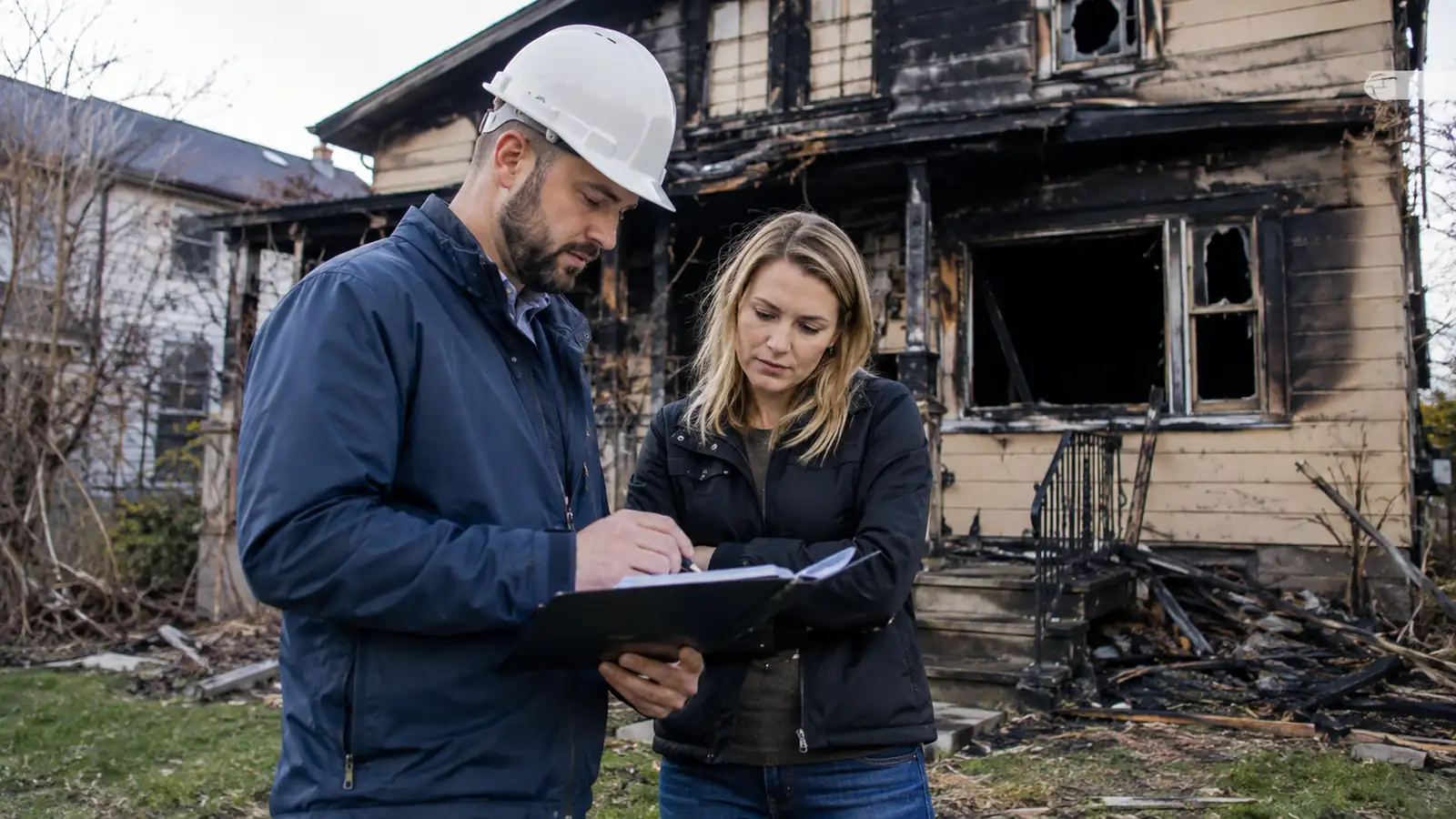
A fire-damaged property can create an unusual financing problem. The building may still have walls, a roof, working rooms, and substantial value, yet smoke residue, burned materials, water from firefighting, or unfinished reconstruction can make a lender view the property very differently from a move-in-ready home.
So, can you get a mortgage on a fire-damaged property before smoke cleanup and reconstruction are complete? Sometimes, yes.
The answer depends heavily on the property’s condition, the type of mortgage, the remaining repairs, and whether the damage affects safety, structural integrity, insurability, or value.
For buyers, owners, landlords, and property managers, the key is understanding where restoration ends and lender requirements begin.
Can You Finance a Fire-Damaged Property Before Repairs Are Finished?
Mortgage approval usually depends on the property’s current condition, not simply on the fact that a fire occurred.
A past fire does not automatically make a property impossible to finance. An active, unrepaired loss is more complicated.
For mortgages intended for sale to Fannie Mae, property damage requirements distinguish between damage that affects safety, soundness, or structural integrity and damage that does not.
Certain insured repairs may remain incomplete when the damage does not affect those areas, and sufficient funds are available for completion.
Damage affecting safety, soundness, or structural integrity generally requires repair before the loan can be delivered.
That distinction matters after a fire because visible burning may represent only part of the loss.
Minor or localized damage
A property with limited cosmetic residue, localized smoke effects, or clearly defined repairs may present a different financing risk than a heavily burned building.
The lender and appraiser still control the financing decision.
Significant fire or structural damage
Burned framing, compromised assemblies, major openings, damaged utilities, or other conditions affecting the property’s basic integrity can create a much larger financing barrier.
In those cases, completing key repairs first may be necessary.
Properties that need rehabilitation financing
A conventional purchase mortgage is not the only possible route. The FHA 203(k) rehabilitation mortgage is specifically designed to combine financing for a property with rehabilitation costs through one mortgage.
Need clarity on the restoration side before making the next property decision? At PNW Restoration, we provide fire and smoke damage restoration for affected residential and commercial properties.
Establishing what is burned, smoke-affected, water-damaged, removable, or repairable can give you a clearer restoration scope before reconstruction decisions move forward.
Why Smoke Cleanup Can Matter Even When the Structure Looks Repairable
Mortgage concerns after a fire are not limited to visibly charred materials.
Smoke can travel well outside the room where the fire started. Soot and odor can affect walls, ceilings, contents, soft materials, and air pathways. Water used during firefighting can create an overlapping moisture problem.
That makes the question more complicated than, “Is the building still standing?”
Before assuming the remaining work is cosmetic, identify how far the fire, smoke, soot, odor, and water effects extend.
Our guide to repairing a fire-damaged house explains why assessment, smoke and soot cleanup, water-related damage, odor removal, and rebuilding can become separate parts of the recovery process.
For Portland-metro properties and surrounding communities, seasonal conditions can add another layer.
Broken windows, roof openings, and other fire-related exposure can allow wet-season moisture into already damaged interiors. Firefighting water can also overlap with soot and smoke contamination.
What the Appraisal and Restoration Scope Need to Clarify
Financing becomes easier to evaluate when everyone can see what remains damaged and what the repair path involves.
An appraisal is not a restoration scope, and a restoration scope is not a mortgage approval. They answer different questions.
The restoration side should establish the physical extent of damage. The lending side determines whether the property fits the selected mortgage program.
Useful documentation can include:
- Photos showing affected rooms and surfaces
- Room-by-room notes on visible fire, soot, smoke, odor, and water damage
- Identification of materials expected to need removal or repair
- A clear distinction between cleanup and reconstruction work
- Records showing how the condition changes as work progresses
Documenting first is especially important when cleanup could alter visible evidence. The common mistakes homeowners make after a fire include beginning recovery without adequately recording the original damage.
Smoke Cleanup and Reconstruction Are Different Decisions
Getting rid of visible soot does not necessarily mean the property has reached the reconstruction stage.
Smoke and soot cleanup
Smoke cleanup may involve more than wiping visible staining. Different surfaces hold residue differently, and moving contaminated contents or using the wrong cleaning sequence can spread residue.
The cleanup order after nearby fire smoke illustrates why walls, upholstery, HVAC pathways, contents, soot, odor, and moisture may need separate evaluation.
Odor and hidden residue
A room can look cleaner while odor remains in porous materials or other affected areas. That is why persistent smoke odor should not automatically be treated as a cosmetic issue.
Reconstruction
Reconstruction addresses materials and building components that need repair or replacement after damaged material has been addressed.
The scope can therefore change substantially between a smoke-only loss and a fire that damaged structural components.
Understanding that distinction helps you have a more useful conversation with the lender about what work remains.
Choosing Help Based on the Actual Fire Damage
The right restoration scope should match what happened to the property rather than applying the same cleanup plan to every fire.
Start with damage-type fit. Visible soot and odor may call for fire and smoke damage services, while damaged building materials may create reconstruction needs. Water from firefighting or weather exposure can add water-related restoration needs.
Then consider scope and property type. A single smoke-affected room is different from a multi-room loss, a tenant-occupied building, mixed-use property, or commercial space with operational disruption.
Finally, prioritize documentation and sequencing. A useful restoration plan should make it easier to understand what needs cleaning, what needs removal, what can be repaired, and what remains for reconstruction.
Our restoration services include fire and smoke damage, smoke odor removal, water damage restoration, mold remediation, storm damage restoration, and other property-damage services relevant when different loss types overlap.
What to Ask Before You Commit to a Scope
These questions keep the restoration discussion tied to the financing problem.
- Which areas have direct fire damage versus smoke or soot residue?
- Is water damage present from firefighting or weather exposure?
- What materials need cleanup, removal, repair, or reconstruction?
- What documentation can show the property’s current condition and remaining work?
- Which portions of the scope should be completed before the property is appraised again?
These questions do not determine mortgage eligibility. They help clarify the property condition so you can discuss financing with the lender using a defined repair picture.
Signs the Cleanup Plan May Miss Key Issues
A narrow cleanup scope can leave important questions unanswered when financing depends on the property’s condition.
Watch for a plan that focuses only on visible staining while ignoring odor pathways, water damage, adjacent rooms, damaged building materials, or the transition into reconstruction.
A strong restoration plan should identify affected areas, document conditions, distinguish cleanup from rebuilding, and explain the next property-recovery decision clearly.
Communication matters particularly for rentals and commercial properties where tenants, occupants, inventory, or access may also be disrupted.
The goal is not to create more work. It is to understand the real work.
Mortgage First or Restoration First?
Your best sequence depends on the severity of the damage and the financing route you intend to pursue.
If damage is limited and does not affect the property’s safety, soundness, or structural integrity, ask the lender whether the remaining work can fit within its property-condition rules.
If significant damage remains, ask whether repairs must happen before standard financing can proceed.
If you are purchasing or refinancing a property that needs substantial rehabilitation, discuss renovation-financing options directly with qualified lenders.
For the physical recovery, do not let a financing deadline push you into treating smoke, soot, water damage, or damaged materials as purely cosmetic.
If you need a clearer fire-restoration scope before making financing or reconstruction decisions, contact PNW Restoration.
We can evaluate how fire and smoke damage is restored and help you understand the cleanup and restoration work affecting your property. Your lender remains the right source for mortgage eligibility, loan conditions, appraisal requirements, and financing approval.
Frequently Asked Questions
Can you get a mortgage on a fire-damaged property?
Yes, it can be possible, but the condition of the property matters. Damage affecting structural integrity, safety, value, or marketability can create major hurdles for ordinary mortgage financing. Your lender must determine whether the property and loan meet its requirements.
Does all fire damage have to be repaired before closing?
Not necessarily in every mortgage scenario. Some financing rules distinguish minor insured damage from conditions affecting safety, soundness, or structural integrity. The lender decides what must be completed before closing or before the mortgage can qualify for the selected program.
Can I buy a burned house with an FHA rehabilitation loan?
An FHA 203(k) mortgage can finance the acquisition or refinancing of eligible property together with qualifying rehabilitation work. The property, borrower, repairs, and lender still have to meet program requirements, so discuss the specific fire-damaged property with an FHA-approved lender.
Can smoke damage prevent mortgage approval?
Smoke damage itself does not create one universal mortgage outcome. The important question is what the smoke damage represents and how it affects the property’s condition, value, usability, and remaining repair scope. Persistent residue or damage extending beyond cosmetic surfaces may require further evaluation.
Does smoke odor need to be gone before an appraisal?
There is no universal rule that every trace of odor must disappear before every appraisal. However, lingering odor can indicate unresolved smoke residue or affected materials. It is useful to determine the cause and scope before treating odor as a purely cosmetic concern.
What if only one room was damaged by fire?
Localized damage may be easier to define, but smoke and soot can move beyond the burn area. Check adjacent rooms, surfaces, contents, and possible air pathways before concluding that the loss is limited to the visibly burned room.
What if the house has water damage from firefighting?
Treat it as an overlapping loss. Firefighting water can affect drywall, flooring, contents, and other materials while smoke and soot remain present. The restoration plan should distinguish water-related work from smoke cleanup and reconstruction needs.
Can reconstruction be financed as part of the mortgage?
Certain rehabilitation mortgage programs are designed to finance eligible property acquisition or refinancing together with repair or rehabilitation costs. Ordinary mortgages and renovation mortgages work differently, so your lender should explain which financing structure fits the property.
Should I clean the smoke damage before contacting a lender?
You can contact the lender immediately, but avoid rushing into undocumented cleanup simply to improve the property’s appearance. Record visible conditions first and determine what has actually been affected. That creates a clearer picture for restoration, appraisal, and financing discussions.
Can a commercial property with fire damage still be financed?
Commercial financing follows different underwriting structures from residential mortgages. Fire damage, income disruption, occupancy, repair costs, and property condition may all influence the lender’s evaluation. Commercial owners and facility managers should obtain financing and restoration guidance appropriate to the specific property.
What documents are useful after a fire if financing is involved?
Keep photographs, videos, room-by-room notes, inventories of affected materials, repair estimates, and records showing completed work. Your lender may request specific documentation beyond these items, so ask what it needs rather than assuming a restoration record automatically satisfies underwriting requirements.
Should I finish restoration before applying for a mortgage?
Not automatically. For substantial damage, finishing critical repairs may improve conventional financing options. For a property being purchased specifically for rehabilitation, a renovation mortgage may be more appropriate. Talk to the lender before choosing a repair sequence solely for mortgage purposes.


