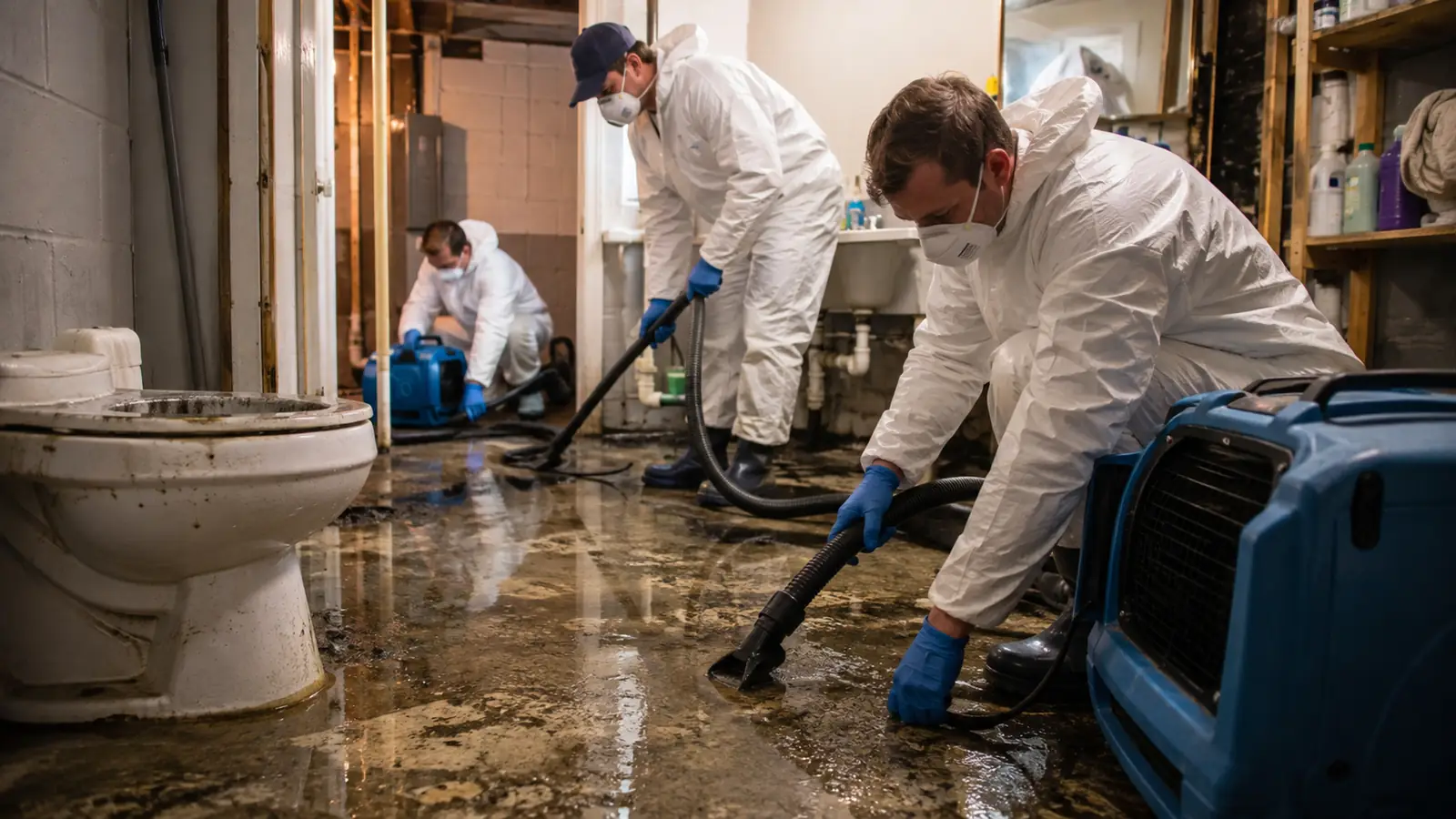



A wet crawlspace rarely stays a crawlspace problem for long. In this region, long wet seasons, lower-level moisture pressure, and occasional freeze-related plumbing failures can turn a hidden damp area into sagging insulation, musty indoor air, stained subflooring, and a larger restoration decision.
When the ground stays saturated, drainage falls short, or a leak runs longer than you realized, the materials under your property can start failing before the rooms above show obvious damage.
That is why the right question is not just, “How do I dry the crawlspace?” It is, “What can still be saved, and what is already compromised?” Once insulation has absorbed moisture, once the vapor barrier is torn, bunched up, missing, or buried under contamination, replacement often makes more sense than trying to dry around materials that are no longer doing their job.
Why crawlspaces get wet in the first place
A wet crawlspace usually comes from layered moisture problems, not one isolated event. You need to solve the source first, or the same damage will come right back.
Ground moisture and drainage pressure
Even when there is no obvious plumbing break, ground moisture can move into a crawlspace through exposed soil, poor grading, clogged gutters, heavy rain, foundation cracks, or high groundwater. In lower-lying properties and storm-prone neighborhoods, repeated rain can keep the soil wet long enough for moisture to seep into the crawlspace and remain there.
That is one reason reviewing a water in your crawlspace guide matters before you assume the problem is only condensation.
Plumbing leaks, stormwater, and freeze-related failures
Crawlspaces also collect water after supply-line leaks, drain leaks, water heater issues, storm-driven seepage, or burst pipes during freezing weather. When that happens, the insulation below the floor system is often the first material to hold moisture and the last material to dry correctly.
In older properties and underinsulated utility runs, freeze-thaw leaks can make the problem even harder to spot because the water may appear after temperatures rise again.
How to tell when replacement is the smarter move
Not every damp crawlspace needs full material replacement. A quick inspection, though, should focus less on surface wetness and more on whether the barrier and insulation still perform as moisture-control materials.
The vapor barrier is torn, loose, missing, or no longer covering the ground
A vapor barrier cannot do much if it is punctured, shifted, deteriorated, or never installed well in the first place. Once you see tears, gaps, bunching, exposed soil, or obvious flood damage, replacement becomes a practical conversation.
Covering old and damaged plastic with new material without correcting the moisture source usually prolongs the problem instead of solving it.
The insulation is wet, sagging, stained, compressed, or moldy
This is often the clearest sign. Wet insulation loses effectiveness, can hang away from the floor framing, and may hold odor, debris, or microbial growth long after visible water is gone. If the insulation is stained, falling down, clumped together, or still damp after drying efforts, replacement is often the cleaner and more reliable path.
The crawlspace smells musty, or the rooms above feel humid
Persistent odor matters. Musty air, recurring indoor humidity, and that “damp house” smell often point to hidden moisture in insulation, subflooring, framing, or other porous materials. If the crawlspace keeps smelling wet after minor cleanup, the issue may be trapped moisture rather than surface dirt.
That is the same reason lingering odors after water damage and mold after water damage often trace back to materials that never fully dried.
You are seeing repeat moisture, staining, or damage above the crawlspace
Cold floors, cupped flooring, stained baseboards, or recurring lower-level dampness can all signal that the crawlspace is feeding moisture upward. At that point, drying the air alone is rarely enough if damaged insulation and a failing barrier remain in place.
At PNW Restoration, we help you trace the moisture source, evaluate what is salvageable, and decide when material replacement makes the most sense. You can start with our restoration services or review basement water removal if the moisture is already pooling in lower-level areas.
What to do before the damage spreads
The first steps are about safety, source control, and limiting how much moisture stays trapped in the structure. The longer the crawlspace stays wet, the harder it becomes to keep the job limited to drying and targeted replacement.
Start with safety and source control
Do not crawl into standing water if there is any electrical concern, visible structural movement, sewage risk, or uncertainty about the source. Stop the leak if you can do it safely. If stormwater or groundwater is entering, focus first on keeping people out of the affected area and preventing more water from feeding the damage.
Drying is time-sensitive
Once porous materials stay wet, the project escalates fast. EPA guidance on mold and moisture centers on prompt drying and moisture control because wet materials that stay damp create better conditions for mold and further deterioration.
If the crawlspace has wet insulation, a soaked paper facing, or moisture trapped between the barrier and soil, delay works against you.
Treat dirty water as a different category of problem
If the water came from flooding, a sewage issue, or runoff that may have carried debris, silt, or waste, think beyond drying. Floodwater can contain sewage and other contaminants. In that situation, the barrier and insulation may need removal because contamination can remain even after the visible water is gone.
Why replacement often beats trying to save damaged materials
Replacement is not about being aggressive. It is about removing materials that no longer control moisture, no longer insulate properly, or no longer belong inside the building assembly.
Wet insulation stops helping and starts hurting
Insulation in a crawlspace is there to help manage heat transfer and comfort. Once it is soaked, compressed, or mold-affected, it can lose performance and keep the floor system damp longer. That means colder floors, harder HVAC work, and a longer path to stabilization.
Damaged materials keep feeding odor and mold risk
A wet crawlspace that “mostly dried out” can still hold dampness in insulation, subfloor layers, or framing pockets. That is how odors linger and why some properties keep cycling through musty air after a storm or leak. If the moisture source is fixed but the smell stays, the remaining porous materials may be the reason.
Removal also makes the next repair stage more accurate
Once damaged insulation and failed ground cover come out, you can finally see what the structure is doing.
That helps reveal hidden moisture, damaged wood, staining paths, or repairs that would have been missed from the access opening alone. In older properties, visibility matters because hidden moisture tends to sit behind layers and below finished surfaces.
Hidden moisture in older properties often turns a “small water problem” into a bigger repair because the wet materials stayed concealed too long.
When professional help makes the decision easier
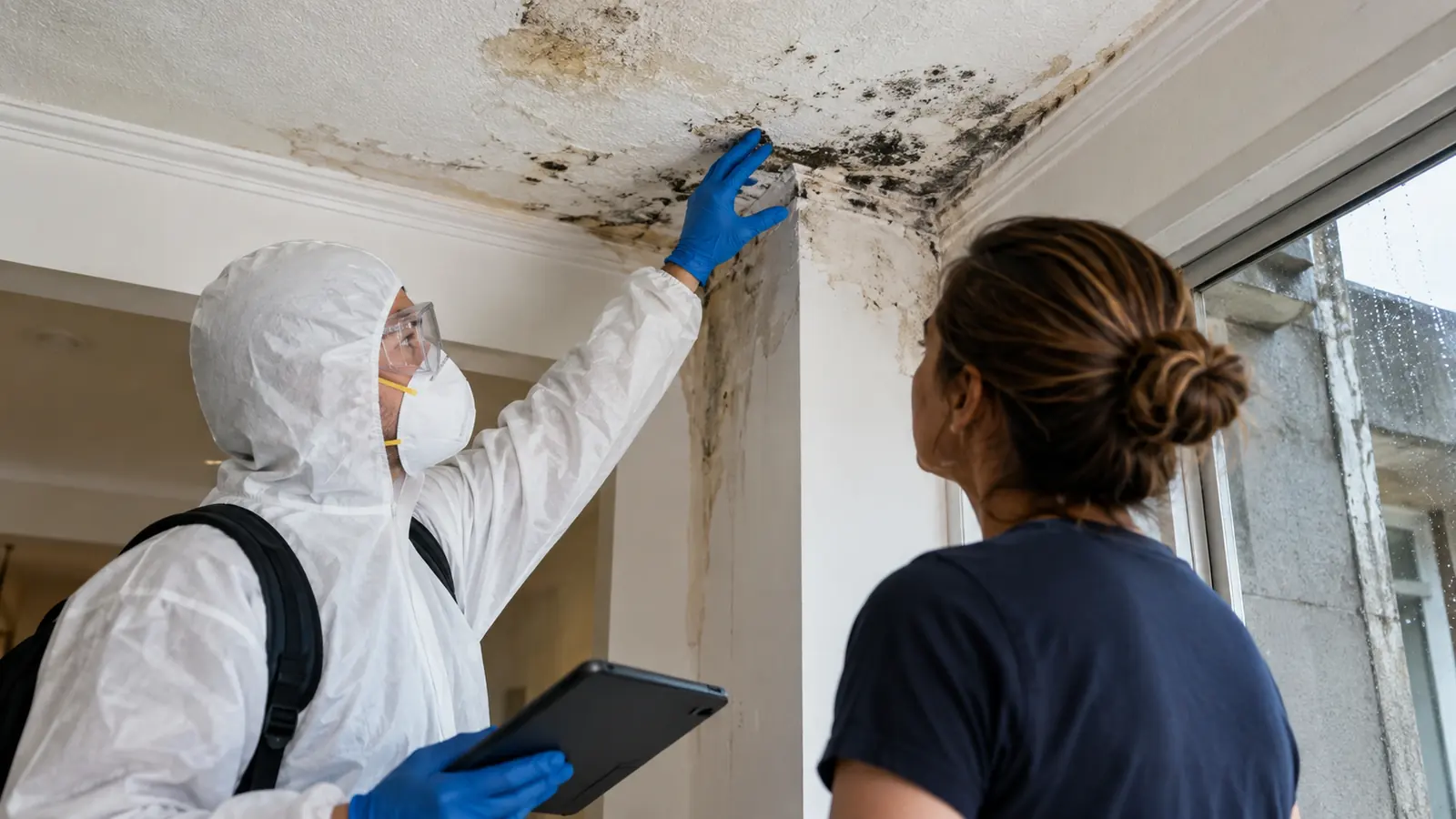
You should bring in professional help when the crawlspace has standing water, recurring dampness, contaminated water, visible mold, structural concerns, or soaked insulation that covers a broad area.
The same applies when you manage rentals, mixed-use buildings, or commercial properties where odor, tenant disruption, access limits, and downtime raise the stakes. Mold and moisture problems in those settings can disrupt operations and expand beyond one unit or one room if the wet materials stay in place.
When the crawlspace is wet enough that cleanup alone no longer solves the problem, PNW Restoration can help with water damage restoration, basement water removal, mold remediation services, sewage cleanup services, storm damage restoration, and reconstruction services when material removal leads to repair work.
The goal is not just to dry the space for today, but to remove what failed, correct the moisture path, and help you move toward a cleaner recovery.
Frequently Asked Questions
How do you know crawlspace insulation needs to be replaced?
If the insulation is wet, sagging, stained, compressed, moldy, or still damp after drying efforts, replacement is usually the better option. Insulation that has absorbed moisture can lose effectiveness and keep the floor system damp longer than it looks from the access opening.
Can a vapor barrier be patched instead of replaced?
Small isolated damage may be repairable, but broad tearing, bunching, missing sections, flood damage, or exposed soil usually point to replacement. The more important issue is fixing the leak, drainage failure, or groundwater problem before new material goes down.
Is a musty smell enough reason to inspect the crawlspace?
Yes. Musty odor often points to hidden moisture, damp insulation, or mold activity in porous materials below the living space. Odor is a useful early warning sign, especially when the crawlspace does not show obvious standing water from the entrance.
What usually causes a crawlspace to stay wet?
Common causes include poor drainage, heavy rain, exposed soil moisture, plumbing leaks, high groundwater, and foundation cracks. In the wet season, lower-level spaces can also stay damp after short, intense rain or long periods of steady rainfall.
Does wet insulation always mean mold is present?
Not always, but wet insulation creates the kind of moisture conditions that make mold more likely if drying is delayed. That is why prompt moisture control matters and why damp porous materials deserve close inspection rather than guesswork.
What should you do first if there is water in the crawlspace?
Start with safety, stop the source if you can do it safely, and keep people out if there is standing water, electrical risk, or contamination concern. After that, the goal is fast moisture control and a clear evaluation of which materials can still be saved.
When does crawlspace water become a contamination issue?
If the water came from flooding, sewage, runoff, or any source that may have carried waste or debris, you should treat it as potentially contaminated. In those situations, insulation and vapor-barrier materials may need removal rather than surface cleanup alone.
Can a wet crawlspace affect the rooms above it?
Yes. Crawlspace moisture can contribute to musty odor, humidity, colder floors, and damage to framing or subfloor materials over time. Because air and moisture effects do not stay neatly below the floor, lower-level damage can become a whole-property comfort and maintenance problem.
Why do older properties need extra caution with crawlspace moisture?
Older properties tend to hide water in layered materials, aging framing, patched assemblies, and less obvious leak paths. That means the visible wet spot in the crawlspace may be smaller than the actual damage area once materials are opened up.
What happens after damaged insulation and barrier materials are removed?
The next step is usually a clearer inspection, targeted drying, moisture verification, and then repair planning based on what the structure actually needs. If the damage extends into framing, finishes, or lower-level rooms, reconstruction may become part of the recovery path.
When should renters, property managers, and facility managers escalate the issue?
You should escalate quickly when there is a persistent odor, repeated dampness, visible mold, standing water, or tenant-use disruption. In shared or commercial buildings, moisture left in place can expand the repair scope and affect access, scheduling, and operations.
What help is available when the crawlspace problem has grown beyond simple cleanup?
We can help with water damage restoration, basement water removal, mold remediation services, sewage cleanup services, storm damage restoration, and reconstruction services when material removal leads to follow-on repairs. That is most useful when the moisture problem has already moved into odor, contamination, or broader structural concerns.