Water damage has a way of going from “annoying inconvenience” to “serious health concern” faster than most people realize. When moisture seeps into drywall, insulation, carpet padding, crawl spaces, or behind cabinets, it creates the perfect environment for mold growth—sometimes in as little as 24–48 hours. Once mold takes hold, it doesn’t just threaten your home’s structure and indoor air quality; it can also affect how you feel day to day.
Below are four common health effects linked to mold exposure after water damage—and why acting quickly with experienced professionals like PNW Restoration, leaders in water damage restoration and mold remediation, can make a real difference for your family’s comfort and well-being.
1) Allergy Symptoms That Won’t Quit
One of the most common health effects of mold is an allergic response. Mold produces spores that can become airborne and circulate throughout your home via HVAC systems, fans, or simple foot traffic. For people with allergies—or those who don’t normally struggle with them—this can trigger symptoms that feel like a lingering cold or seasonal flare-up.
Common symptoms include:
- Sneezing and nasal congestion
- Runny nose or postnasal drip
- Itchy, watery eyes
- Scratchy throat
- Skin irritation or rashes
These symptoms may worsen when you’re at home and improve when you leave—an important clue that indoor air quality could be part of the problem. After water damage, mold often grows in hidden areas like wall cavities or under flooring, so you might not see it, but your body can still react to it.
This is where rapid restoration matters. PNW Restoration specializes in identifying moisture sources and addressing both the visible and hidden conditions that allow mold to persist, helping reduce the chances of ongoing exposure. Call 503-352-5209 for an appointment.
2) Respiratory Irritation and Breathing Difficulty
Even if you’re not “allergic” to mold, inhaling spores and mold fragments can irritate the respiratory system. People may experience coughing, wheezing, throat irritation, or a feeling of tightness in the chest. Mold can also aggravate existing respiratory issues.
Those most at risk include:
- People with asthma
- Individuals with chronic bronchitis or COPD
- Children (smaller airways can react more strongly)
- Older adults
- Anyone recovering from respiratory infections
If water damage occurred in a basement, bathroom, laundry area, or attic—spaces that already tend to trap humidity—mold-related respiratory irritation can become especially pronounced. And because mold growth can be patchy and hidden, families sometimes spend weeks or months treating symptoms without addressing the root cause.
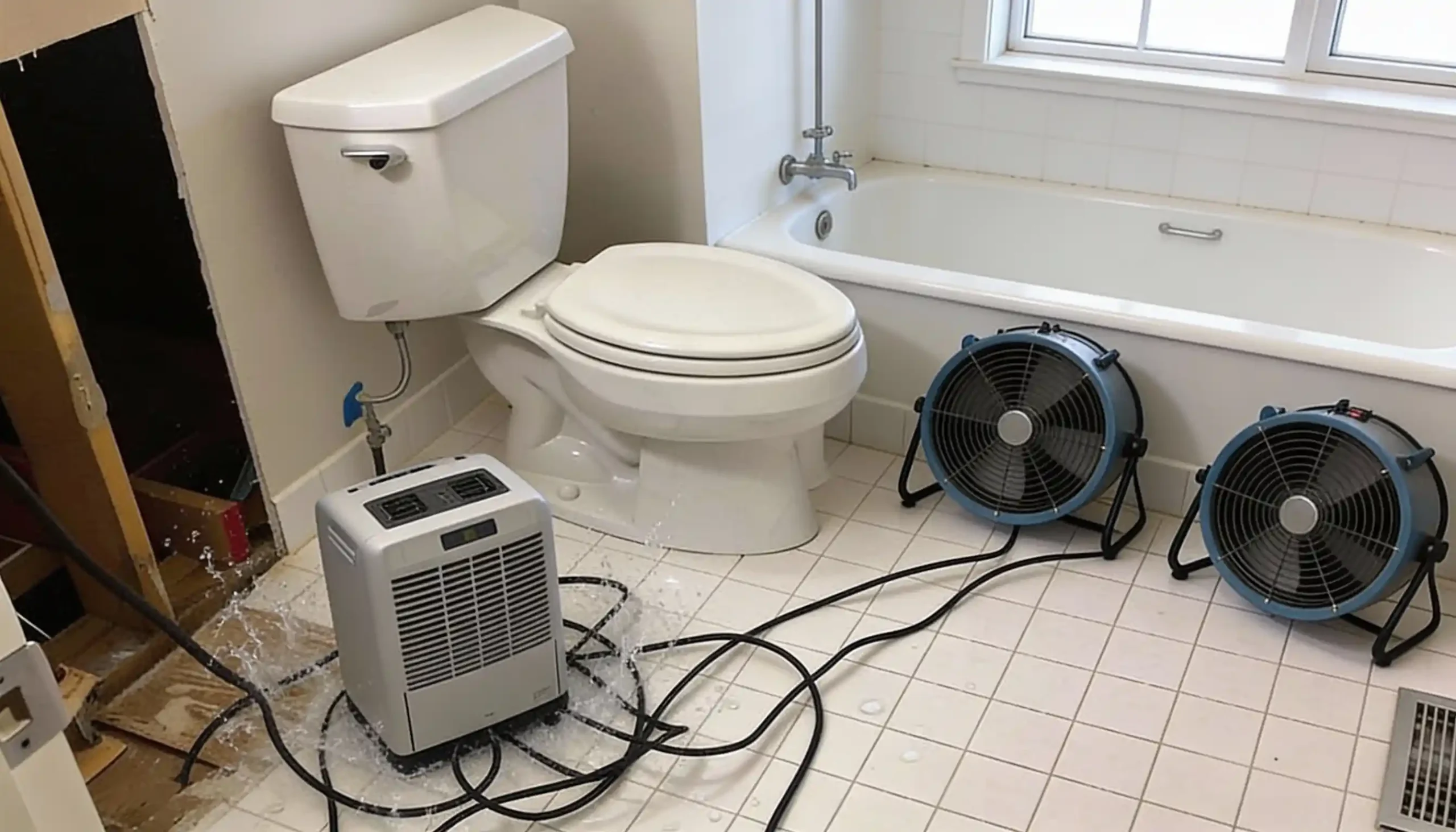
Professional water damage restoration isn’t just about drying what you can see. PNW Restoration uses proper drying methods and targeted remediation strategies designed to stop mold from continuing to impact indoor air.
3) Headaches, Fatigue, and “Brain Fog”
Many homeowners are surprised to learn that mold exposure can be associated with more general, whole-body complaints—not just sneezing or coughing. While these symptoms can have many causes, people living with ongoing mold problems sometimes report issues like:
- Headaches
- Persistent fatigue or low energy
- Difficulty concentrating (“brain fog”)
- Irritability or disrupted sleep
What makes this particularly frustrating is how non-specific these symptoms can be. You might chalk them up to stress, work, or a busy season—until you notice a pattern: symptoms worsen at home, or begin after a flood, leak, or plumbing incident.
If you’ve had water damage and you’re experiencing unusual, persistent symptoms, it’s worth considering whether hidden moisture or mold could be contributing. Leaders in restoration like PNW Restoration focus on moisture mapping and thorough drying—key steps that help prevent the conditions that allow mold to thrive.
4) Increased Risk for People with Weakened Immune Systems
Mold exposure can be especially concerning for individuals with compromised immune systems. This includes people undergoing chemotherapy, those with certain autoimmune conditions, organ transplant recipients, and individuals on immune-suppressing medications. For these groups, exposure to mold and damp environments may increase the risk of more serious health complications.
Even outside of severe immune compromise, people with frequent illnesses or heightened sensitivity can find that mold exposure makes it harder to “shake” recurring symptoms. This is one reason why water damage should never be treated as purely cosmetic. Moisture that remains behind walls or under floors can quietly create an environment where mold continues to grow and spread.
When vulnerable family members are involved, professional remediation is not a luxury—it’s a safety measure. PNW Restoration is known for handling water damage restoration and mold remediation with the kind of thoroughness homeowners need to feel confident their indoor environment is truly back to healthy.
Why Fast Action After Water Damage Matters
Mold is not the only problem created by water damage, but it’s one of the fastest to escalate. A small leak under a sink, an overflowing dishwasher, a roof intrusion, or a wet crawl space can all lead to mold growth if drying isn’t prompt and complete. And because mold often grows out of sight, many homeowners don’t realize there’s a problem until the smell becomes noticeable or symptoms start piling up.
If you’ve experienced water damage—whether it was a sudden flood or a slow leak—your best next step is to address moisture quickly and correctly. PNW Restoration, recognized as leaders in water damage restoration and mold remediation, helps homeowners not only repair the damage but also reduce the long-term health risks that can come from lingering dampness and hidden mold.
Final Thought
Your home should support your health, not work against it. If you’ve noticed musty odors, unexplained allergy symptoms, or you recently had water damage, it may be time to take a closer look. The sooner moisture is properly mitigated, the easier it is to prevent mold from becoming a bigger—and more costly—problem.
FAQ
1. How quickly can mold grow after water damage?
Mold can begin growing within 24 to 48 hours after water damage occurs. Even small leaks or minor flooding can create enough moisture for mold to take hold, especially in hidden areas like behind walls or under flooring. That’s why fast, professional drying is critical.
2. Can mold grow even if I don’t see standing water?
Yes. Mold only needs moisture, not visible water. Damp drywall, wet insulation, high humidity, or slow leaks can all support mold growth. Professional teams like PNW Restoration use moisture detection tools to find hidden damp areas homeowners often miss.
3. What are the first signs of mold-related health issues?
Early signs may include sneezing, coughing, itchy eyes, headaches, fatigue, or worsening asthma symptoms. Many people notice symptoms improve when they leave the home, which can indicate indoor air quality issues related to mold.
4. Is mold dangerous for everyone?
Not everyone reacts to mold the same way. While some people may have mild symptoms, children, seniors, individuals with asthma, allergies, or weakened immune systems are more likely to experience more severe health effects.
5. Can I clean mold myself with bleach or household cleaners?
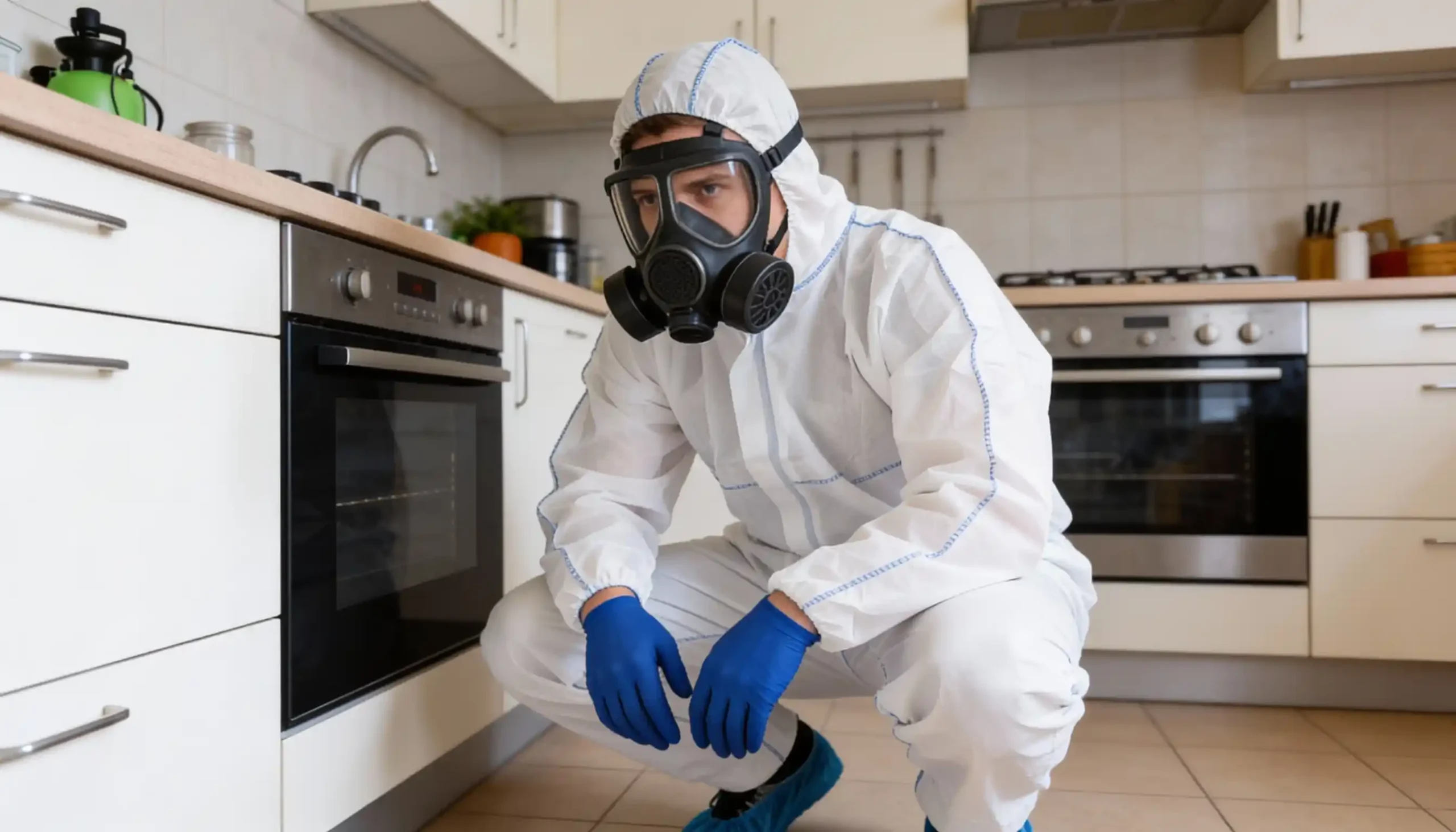
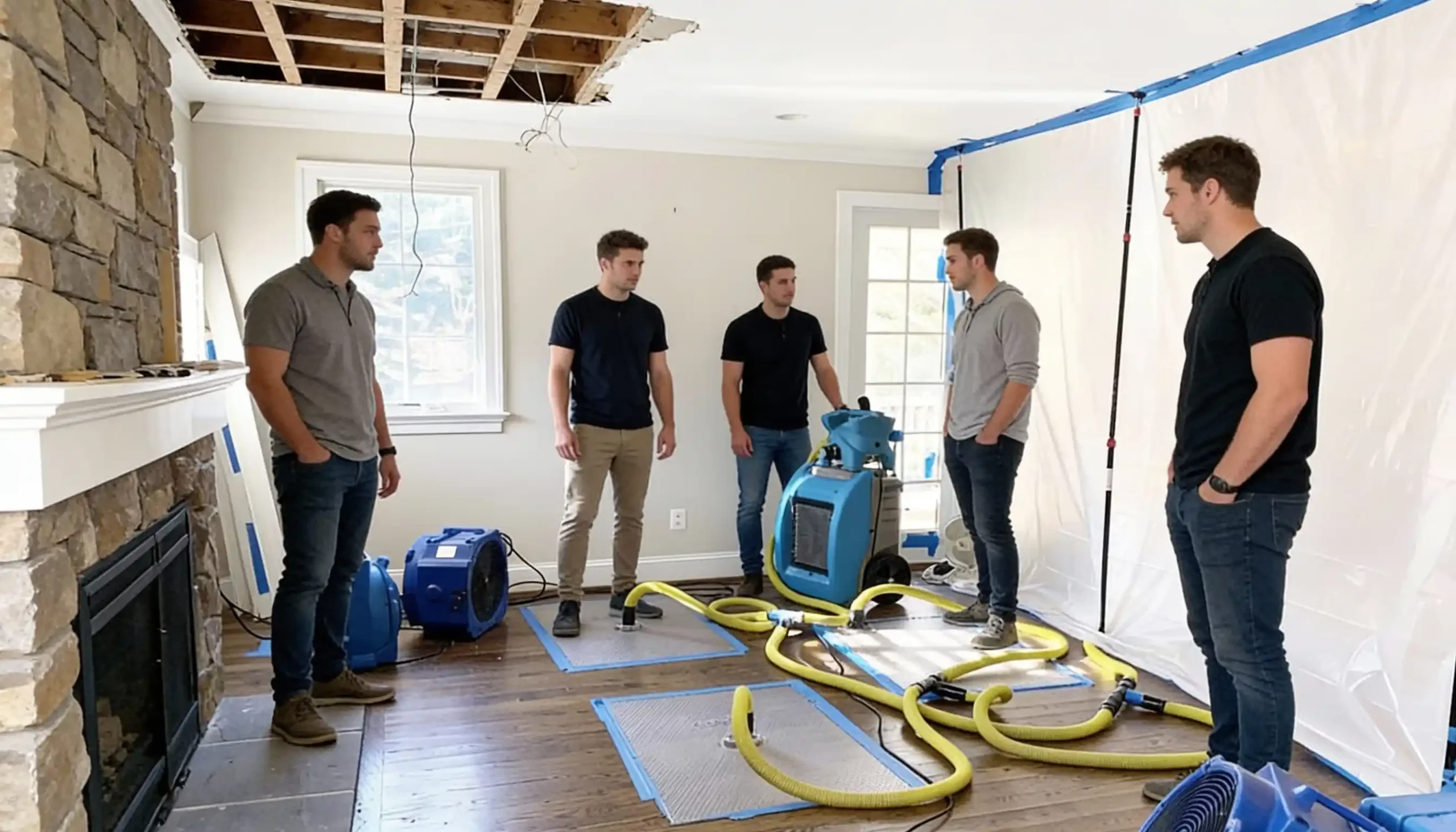
Small surface mold may be cleaned, but bleach does not eliminate mold roots or address the underlying moisture problem. Improper cleaning can also spread spores into the air. PNW Restoration uses professional containment, HEPA filtration, and proven remediation methods to safely remove mold.
6. Why does mold keep coming back after cleaning?
Mold returns when moisture remains. If the source of water damage isn’t fully dried or repaired, mold will continue to grow. Professional water damage restoration focuses on eliminating moisture—not just visible mold.
7. How does water damage restoration help prevent health problems?
Water damage restoration removes excess moisture, dries affected materials, and prevents mold growth before it spreads. By addressing moisture quickly, PNW Restoration helps protect indoor air quality and reduces the risk of mold-related health effects.
8. Can mold affect my HVAC system?
Yes. Mold spores can travel through HVAC systems and spread throughout the home. If water damage affects areas near ductwork or vents, professional inspection and remediation are essential to prevent widespread contamination.
9. How do professionals know where mold is hiding?
Restoration experts use moisture meters, infrared cameras, and air movement testing to locate hidden moisture and mold growth. This ensures all affected areas are treated—not just what’s visible.
10. When should I call a professional like PNW Restoration?
You should call a professional if you’ve experienced any water damage, notice musty odors, see visible mold, or experience unexplained health symptoms at home. PNW Restoration, leaders in water damage restoration and mold remediation, can assess the situation and help restore a safe, healthy indoor environment.